Peritoneal Mesothelioma

Peritoneal mesothelioma is a malignant cancer caused by ingesting asbestos fibers. It is also known as abdominal mesothelioma because it develops in the peritoneum, or the tissue lining the abdomen. Symptoms of peritoneal mesothelioma include stomach pain, nausea and swelling of the abdomen.
Learn About Peritoneal Mesothelioma Treatment and More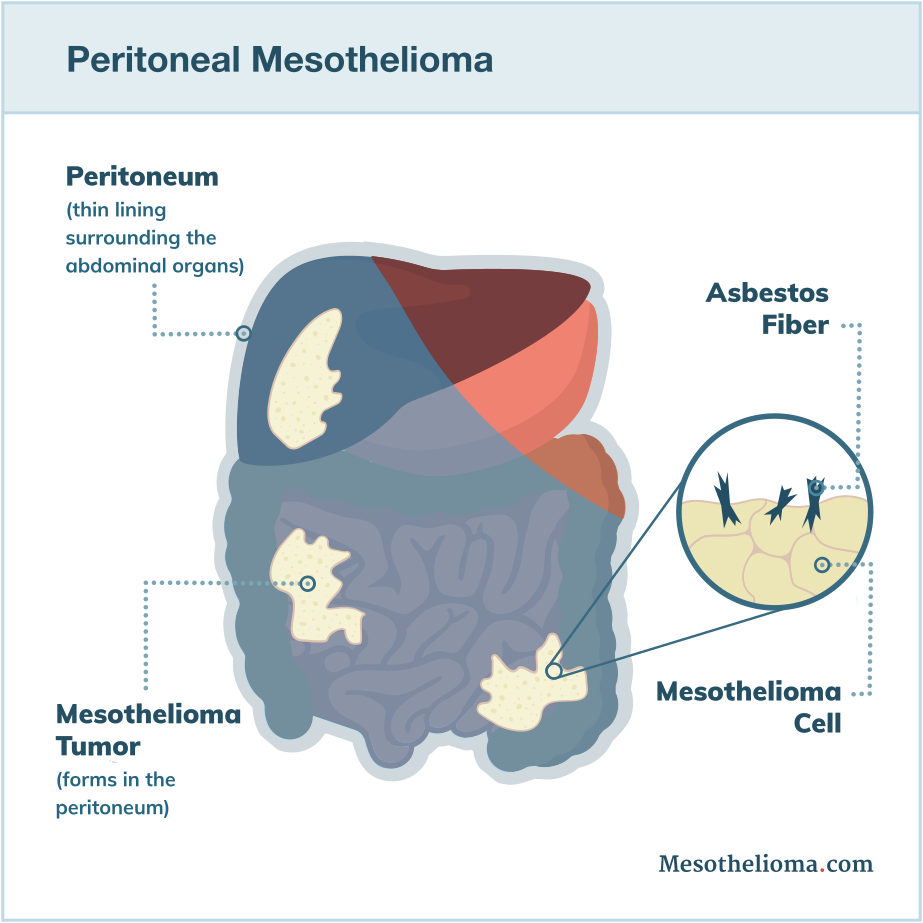
What Is Malignant Peritoneal Mesothelioma?
Peritoneal mesothelioma is a cancer of the lining of the abdomen, called the peritoneum. Common symptoms include abdominal pain and swelling, weight loss and nausea. It is the second most common form of mesothelioma, accounting for 10% – 15% of cases.
- Asbestos is the only known cause of peritoneal mesothelioma.
- Common signs include discomfort, pain and swelling in the abdomen.
- Many patients are diagnosed after symptoms become severe and persistent.
- Younger patients generally have better life expectancy.
- Without treatment, survival is often 4 to 6 months. With treatment, about 50% of patients live 2.5 years or longer.
- Surgery followed by heated chemotherapy is considered the gold standard treatment for eligible patients.
Median survival for patients diagnosed with peritoneal mesothelioma is about 2.5 years. But this depends on various individual factors. Treatment is the most reliable way to improve prognosis for peritoneal mesothelioma. Options include surgery, chemotherapy, immunotherapy or a combination of therapies.



Symptoms of Peritoneal Mesothelioma
Peritoneal mesothelioma symptoms often affect the abdomen. Common signs include nausea, weight loss, abdominal pain and swelling. Symptoms may not appear until the disease has progressed.
- Abdominal pain
- Abdominal swelling
- Blood clotting
- Fever
- Inflammatory lesions
- Intestinal obstruction
- Nausea
- Night sweats
- Peritoneal fluid buildup (peritoneal effusion)
- Weight loss
Peritoneal mesothelioma symptoms are often nonspecific. Nausea and abdominal discomfort may be attributed to a stomach bug or food poisoning. You can help your doctor arrive at the right diagnosis by proactively sharing any history of asbestos exposure. This information can help ensure your provider orders the right tests.
Timeline of Peritoneal Mesothelioma Symptoms
Peritoneal mesothelioma often does not cause noticeable symptoms early on. Many patients are diagnosed at a later stage because the disease develops silently over many years. Peritoneal mesothelioma symptoms usually follow this progression:
- Early-stage: Most patients have few or no symptoms.
- As tumors grow: Nonspecific symptoms may appear, like nausea, abdominal discomfort or mild swelling.
- Advanced stages: Symptoms often become more severe and may include intense abdominal pain, significant fluid buildup or complications like bowel obstruction.
Symptoms tend to worsen as the disease progresses. Existing symptoms can become more severe, and new issues may develop as tumors spread within the abdomen and affect nearby organs.

What Causes Peritoneal Mesothelioma?
Experts do not fully understand every step of how asbestos leads to peritoneal mesothelioma. But researchers believe the disease develops through the following process:
- A person ingests or inhales asbestos fibers.
- The fibers travel to and settle in the lining of the abdomen.
- The fibers irritate the mesothelial cells in the abdominal lining, causing inflammation.
- Over time, this inflammation damages cells and leads to cancerous changes.
- These changes can eventually cause tumors to form.
This process usually takes 10 to 50 years from initial asbestos exposure to tumor development. Because of this long latency period, many patients are diagnosed decades after exposure and may not realize when or where it occurred.
Researchers have linked some cases of peritoneal mesothelioma to asbestos-tainted talc products. Talc on its own is not harmful, but it is found near asbestos and can be contaminated during mining. Some popular talc products, including cosmetics and baby powders, have tested positive for asbestos.
Women diagnosed with peritoneal mesothelioma who have used talcum powder may want to share that with a doctor and legal professional. They may be able to seek compensation related to asbestos talc products.
Who Is at Risk for Peritoneal Mesothelioma?
Peritoneal mesothelioma can develop in anyone after asbestos exposure. However, certain mesothelioma risk factors may increase the likelihood of developing this cancer. Risk factors include gender, occupation and duration of asbestos exposure.
- Men have a slightly higher risk of developing peritoneal mesothelioma than women.
- People who worked asbestos jobs have higher risks than those who didn't.
- People who experienced intense, long-term exposure are at high risk of developing mesothelioma.

Diagnosing Peritoneal Mesothelioma
A biopsy is the only way to definitively diagnose peritoneal mesothelioma. Doctors often begin with general tests to rule out more common conditions before moving on to more specific procedures.
Diagnostic tests for peritoneal mesothelioma typically include:
- Medical history review: Doctors ask about symptoms, overall health and possible asbestos exposure, including past jobs or environments.
- Physical exam: A provider checks for abdominal swelling, tenderness or other visible signs of illness.
- Blood tests: These tests help evaluate potential illnesses and organ function. They may also indicate whether further testing is needed.
- Imaging tests: These tests often include X-rays, CT scans and MRIs. All imaging helps doctors look for tumors, fluid buildup or other abnormalities in the abdomen. But CT scans and MRIs provide more detailed views than X-rays.
- Biopsies: Doctors collect a sample of tissue or fluid to test for cancer cells. This is the only way to confirm a mesothelioma diagnosis.
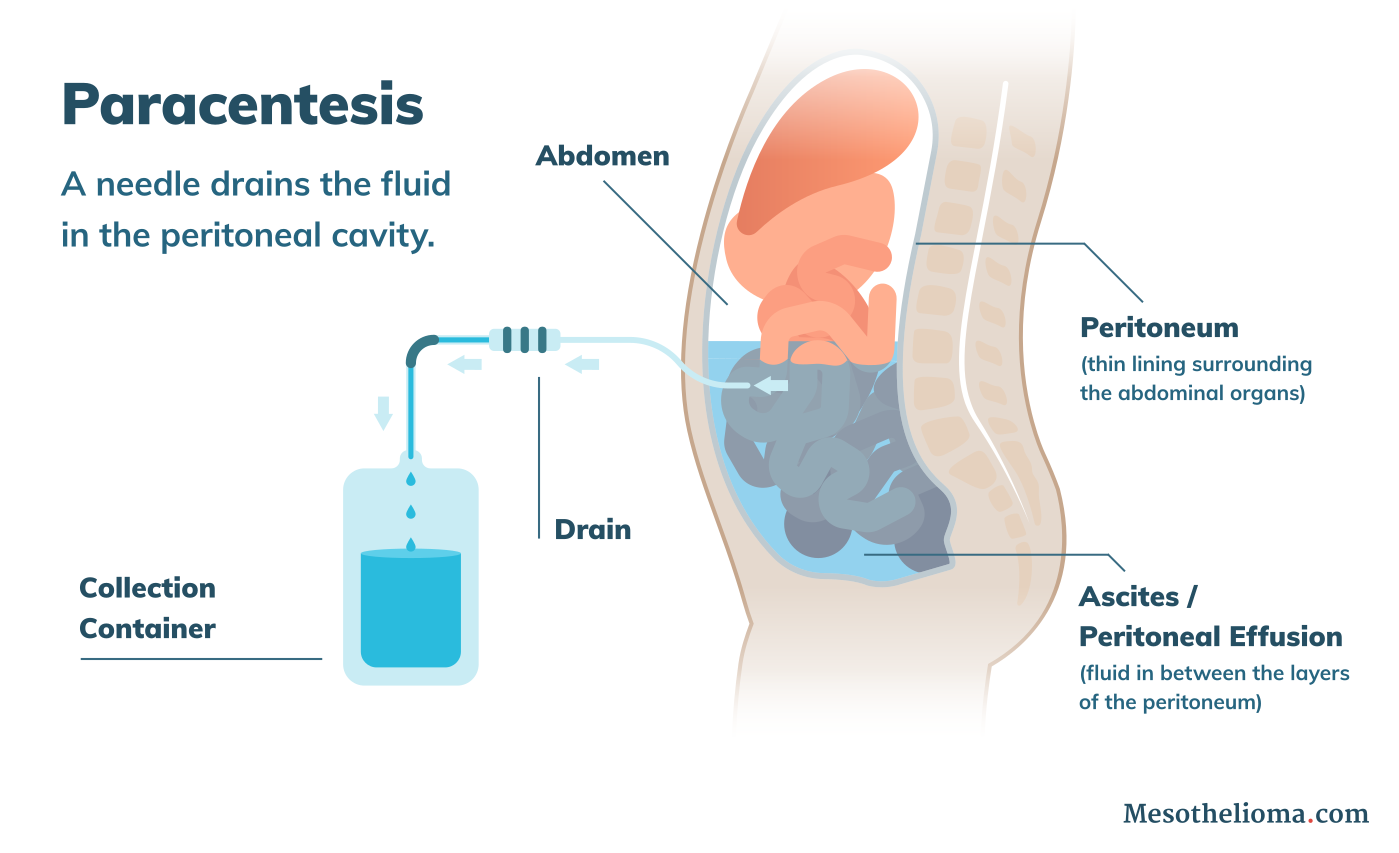
Because symptoms are often vague, diagnosis may take multiple steps. If initial tests suggest cancer, doctors may move quickly to imaging and biopsy. These tests can confirm if mesothelioma is present and help determine its progression.
In some cases, procedures used for diagnosis may also help relieve symptoms. For example, a paracentesis procedure removes excess abdominal fluid for testing, which can also lessen pressure and discomfort.
Misdiagnosing Peritoneal Mesothelioma
Experts say peritoneal mesothelioma is misdiagnosed at a high rate. This error is partly due to its symptoms resembling more common conditions. Doctors may also initially mistake it for ovarian cancer, colon cancer or infections such as tuberculous peritonitis. Patients can aid the diagnostic process by sharing known or possible history of asbestos exposure. Knowing your history may prompt doctors to order more specific tests.
Staging Peritoneal Mesothelioma
Staging indicates how far peritoneal mesothelioma has spread in the body. Doctors use staging to help guide treatment decisions, but it’s only one aspect of the bigger picture. In general, earlier stages may allow for varied, aggressive treatment options. If later-stage patients respond well to milder treatments, they may qualify for more aggressive therapies later.
There is no single official staging system for peritoneal mesothelioma. Doctors may use tools like the Tumor Node Metastasis (TNM) system or the Peritoneal Cancer Index (PCI) to assess disease progression. These are often grouped into general stages:
- Early-stage (Stage 1): Cancer is limited to the abdominal lining
- Mid-stage (Stage 2): Cancer has begun to spread within the abdomen
- Later-stage (Stages 3 – 4): Cancer has spread more extensively to nearby tissues or organs
PCI for Staging Peritoneal Mesothelioma
Some doctors may categorize peritoneal mesothelioma using the PCI system. Like the TNM system, it is designed to evaluate the spread of abdominal cancer. PCI scores range from 1 to 39. A higher PCI score indicates more widespread and/or larger tumors in the abdomen.
What Is the Treatment for Peritoneal Mesothelioma?
Treatment can help control cancer growth, manage symptoms and improve survival. Doctors often use a combination of therapies to manage peritoneal mesothelioma. This approach may include surgery, chemotherapy and newer options like immunotherapy.
Treatment options for peritoneal mesothelioma include:
- Chemotherapy: Uses cancer-fighting drugs to kill or slow the growth of mesothelioma cells throughout the body
- HIPEC: A heated chemotherapy treatment delivered directly into the abdomen after surgery to target remaining cancer cells
- Immunotherapy: Helps the immune system recognize and attack cancer cells more effectively
- PIPAC: Delivers chemotherapy as a pressurized mist into the abdomen and may help patients qualify for surgery
- Radiation: Uses targeted energy to destroy cancer cells but is less commonly used for peritoneal mesothelioma
- Supportive care: Focuses on improving quality of life by relieving symptoms like pain, fluid buildup and digestive issues
- Surgery: Removes visible tumors from the abdominal lining and may be combined with other treatments
Working with a specialist is important. Doctors who focus on mesothelioma can help patients understand their options and build a treatment plan based on their specific diagnosis.
Peritoneal mesothelioma is a rare type of an already rare cancer which doesn’t seem to spread as aggressively as pleural mesothelioma. Intraperitoneal chemotherapy, where chemotherapy is infused directly into the abdominal cavity, and cytoreductive surgery are both effective treatment options for peritoneal mesothelioma.
 Francis Perry Wilson, MD
How Doctors Determine a Peritoneal Mesothelioma Treatment Plan
Doctors often consider several factors when making treatment recommendations. Patient health, disease stage and tumor cell type may all affect treatment options.
Gentler treatment options may be the best choice for some patients. They may have underlying health conditions, advanced disease or tumor spread to critical organs. In these cases, treatments focus more on slowing disease progression and managing symptoms.
Researchers continue to explore innovative ways to treat peritoneal mesothelioma. Doctors can help patients understand their options, including experimental treatments and clinical trials.
What Is the Best Treatment for Peritoneal Mesothelioma?
For many peritoneal mesothelioma patients, the most effective treatment is a combination of cytoreductive surgery (CRS) + heated intraperitoneal chemotherapy (HIPEC). This approach involves first removing visible tumors from the abdomen. Then, doctors use a heated chemotherapy treatment to target remaining cancer cells.
CRS + HIPEC has been associated with improved outcomes compared with single treatments. Mesothelioma doctors can evaluate your case and determine if this approach is a good fit.
 Did You Know?
HIPEC is a specialized mesothelioma treatment only available at select cancer centers.
Get help connecting with a cancer center that offers HIPEC to ensure you receive the best treatment possible.
Did You Know?
HIPEC is a specialized mesothelioma treatment only available at select cancer centers.
Get help connecting with a cancer center that offers HIPEC to ensure you receive the best treatment possible.
Peritoneal Mesothelioma Doctors
Specialty care can make a meaningful difference in both treatment options and survival for peritoneal mesothelioma patients. Doctors who focus on this disease are more likely to offer advanced approaches, including top procedures like CRS + HIPEC.
These specialists may not be available at every hospital, but they can be found at cancer centers in most regions. Many centers offer travel and lodging assistance, which helps patients access the right care.
Top Peritoneal Mesothelioma Doctors in the Country






Peritoneal Mesothelioma Life Expectancy and Survival Rates
The prognosis for peritoneal mesothelioma may be better than it is for pleural mesothelioma. Life expectancy for peritoneal mesothelioma patients is about 31 months but can range from 6 months to more than 6.5 years.
Treatment approach is one of the biggest factors that impacts peritoneal mesothelioma prognosis. Combination treatments tend to work better than single therapies.
Average Survivals With Common Treatments
- No treatment: 4 to 6 months
- Chemotherapy alone: ~14 months
- Chemotherapy + immunotherapy (pembrolizumab/Keytruda): ~21 months
- Surgery + heated chemo (CRS + HIPEC): 31 months to 7.5 years, depending on number of procedures
- Pressurized chemo (PIPAC): ~2 years
Sources: BMC Gastroenterology, Journal of Clinical Oncology, Journal of Clinical Oncology, Annals of Surgical Oncology, BMC Cancer
Survival Rates for Peritoneal Mesothelioma
Survival rates show the percentage of patients still alive at a specific time after diagnosis. This rate is often tracked at 1, 3 and 5 years after diagnosis. Unlike life expectancy, which is measured in months or years, survival rates are always expressed as percentages.
Researchers at a few medical colleges recently reviewed peritoneal mesothelioma survival rates in the United States. They found survival depended heavily on the types of treatment patients received.
| Any or No Treatment | Any Surgery | Any Chemo | |
|---|---|---|---|
| 1-year survival rate | 47% | 74% | 53% |
| 3-year survival rate | 27% | 55% | 27% |
| 5-year survival rate | 20% | 43% | 19% |
Source: Cancers
Survival Rates of Peritoneal Mesothelioma Patients Treated With CRS + HIPEC
One of the most studied approaches is cytoreductive surgery (CRS) combined with heated intraperitoneal chemotherapy (HIPEC). For eligible patients, this treatment has shown some of the strongest long-term outcomes.
In one large study, patients treated with CRS and HIPEC had the following survival rates:
- 1-year: 83%
- 3-year: 62%
- 5-year: 53%
Source: Cancer
Understanding How Patient Factors Affect Peritoneal Mesothelioma Prognosis
Beyond the treatment method, other factors can affect a patient’s peritoneal mesothelioma prognosis. Common prognosis-impacting factors include:
- Cell type: Mesothelioma survival may be affected by the cancer’s cell type. In one study, patients with epithelioid cell mesothelioma had a median survival of 79 months. Biphasic and sarcomatoid mesothelioma had a significantly shorter median survival.
- Disease progression at diagnosis: Early mesothelioma diagnoses and treatment may help improve outcomes for mesothelioma patients.
- Gender: Median survival for female peritoneal mesothelioma patients is generally higher than for male patients.
A doctor can consider all factors when determining a patient’s treatment plan to help achieve the best survival results.
Common Questions About Peritoneal Mesothelioma
Can peritoneal mesothelioma spread to the lungs?
How quickly does peritoneal mesothelioma spread?
Note: This page contains statistics gleaned from large groups of patients. These statistics cannot forecast a single patient’s risk, cancer experience or the success of any given treatment. Patients should discuss all cancer screening and treatment decisions with an experienced oncologist.
Free Peritoneal Mesothelioma Guide

Katy Moncivais, Ph.D., has more than 15 years of experience as a medical communicator. As the Medical Editor at Mesothelioma.com, she ensures our pages and posts present accurate, helpful information.

 Medically
Reviewed by
James Stevenson, MD
Thoracic Medical Oncologist
Medically
Reviewed by
James Stevenson, MD
Thoracic Medical Oncologist
Dr. James Stevenson is a Board-Certified Medical Oncologist. He specializes in treating mesothelioma and lung cancer and practices at the Cleveland Clinic in Cleveland, Ohio.