
Asbestos Tiles

From the 1920s to the 1980s, U.S. builders used ceiling and floor tiles that contained asbestos. They often installed the tiles with asbestos adhesive. Some ceramic wall tiles were also installed using asbestos materials. Damaged asbestos tiles can cause exposure, which may lead to mesothelioma.
Learn More About Asbestos-Containing Products
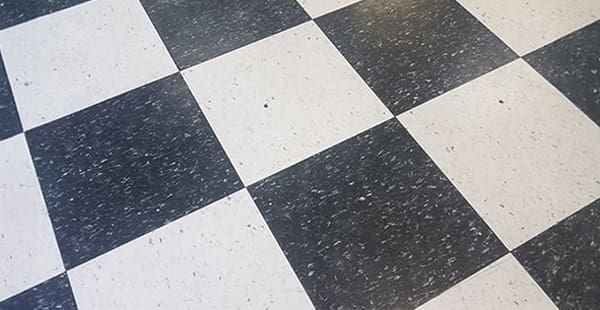
Why Was Asbestos Used in Tiles?
The durability and heat resistance of asbestos made it a popular choice for manufacturing different types of tiles. Asbestos fibers also improved moisture resistance. For most of the 20th century, builders and homeowners installed asbestos floor and ceiling tiles in homes and businesses.
By the late 1980s, increased awareness of asbestos hazards led to a decrease in use. By then, studies had shown that inhaling asbestos fibers could cause lung cancer and mesothelioma.
Homes and buildings constructed until the 1990s may still contain these asbestos products. Asbestos floor tiles are generally considered safe as long as they remain intact. Ceiling tiles pose a greater risk as they crumble with light pressure. They can also break down over time. When this happens, it can release asbestos fibers into the air.
Asbestos Tiles History at a Glance
- Other Ceiling Tile Names: Acoustic ceiling panels, ceiling tiles, drop ceilings, suspended ceilings
- Other Floor Tile Names: Asphalt floor tiles, resilient flooring, vinyl composition tiles, vinyl tiles
- Years of Manufacture: 1920s – Present
- Places Used: Ceilings and floors
- Asbestos Use Banned: No
- Noteworthy Ceiling Tile Brands: Celotex Corporation, National Gypsum Company
- Noteworthy Floor Tile Brands: Armstrong World Industries, Congoleum, The Flintkote Company, GAF Corporation, Kentile Floors
Dangers of Asbestos in Ceiling and Floor Tiles
Asbestos-containing products like ceiling and floor tiles pose serious health risks. If a person inhales asbestos, the fibers can lodge in the body. This may lead to mesothelioma or other cancers and diseases. Asbestos ceiling and floor tiles have different compositions and exposure risk levels.
- Asbestos ceiling tiles are considered friable. This means they crumble easily, releasing asbestos fibers into the air. If these ceiling tiles fall or get crushed, asbestos fibers may be released. People who manufactured or worked with asbestos ceiling tiles may have been exposed.
- Asbestos floor tiles are considered non-friable. This means they are less likely to crumble under pressure and release asbestos fibers. But research indicates grinding, breaking or cutting asbestos floor tiles can release fibers. People who repaired or removed asbestos floor tiles may have been exposed.
There is no safe level of asbestos exposure. Even low levels of exposure may cause mesothelioma, lung cancer or asbestosis.
Connect With a Top Mesothelioma Doctor Find a mesothelioma specialist near you Get Connected
List of Asbestos Ceiling Tiles
In the past, asbestos was used in ceiling tiles and their components, like paper backings. Sometimes the tiles were also held in place with asbestos adhesives. People who install, remove or disturb asbestos ceiling tiles risk developing asbestos illnesses, including cancer.
| Product Name | Start Year | End Year |
|---|---|---|
| Celotex Ceiling Tiles | ||
| National Gypsum Cement Ceiling Panels | 1958 | 1981 |
| Owens-Corning Fiberglass Ceiling Boards | 1964 | 1977 |
| United States Gypsum Ceiling Tiles | 1967 | 1976 |
Asbestos ceiling tiles and popcorn ceilings were popular for their low cost and fire resistance. Several companies manufactured these ceiling tiles, putting many people at risk of exposure.
- The Flintkote Company
- Johns-Manville
- National Gypsum Company
- Owens-Corning Fiberglas
- Sears, Roebuck and Co.
- U.S. Gypsum Company
 Did You Know?
Corporate documents show that asbestos companies knew the products they made were dangerous.
Speak with a lawyer today about filing a mesothelioma claim against these irresponsible companies.
Did You Know?
Corporate documents show that asbestos companies knew the products they made were dangerous.
Speak with a lawyer today about filing a mesothelioma claim against these irresponsible companies.
List of Asbestos Floor Tiles
Asbestos floor tiles could contain up to 70% asbestos by weight. This high asbestos content posed risks to anyone who manufactured, installed or renovated the tiles.
Asbestos floor tiles came in two main varieties: vinyl and asphalt. Both varieties were popular in buildings and homes. These two types of asbestos floor tiles have different properties and appearances.
- Asphalt asbestos tiles: The primary binding agents in these tiles were asphalt and gilsonite. The available sizes were usually 9×9-inch and 12×12-inch varieties. They came in darker colors compared to vinyl asbestos tiles.
- Vinyl asbestos tiles: These tiles were often installed in areas with heavy traffic. When produced, asbestos fibers and the vinyl resin were mixed together. These vinyl tiles, also called plastic tiles, were available in three sizes: 9×9, 12×12 and 18×18 inches.
Asbestos floor tiles may still be present in some homes and buildings. They were a common flooring choice before the 1980s. Asbestos-containing vinyl also had other uses, including sheet flooring and wallpaper. These materials may still be found in older buildings.
| Product Name | Start Year | End Year |
|---|---|---|
| American Biltrite Asphalt Tiles | 1961 | 1970 |
| American Biltrite Vinyl Asbestos Floor Tiles | 1961 | 1985 |
| Armstrong Asphalt Tiles | 1931 | 1972 |
| Armstrong Excelon Vinyl Asbestos Floor Tiles | 1939 | 1980 |
| Armstrong Rubber Tiles | 1955 | 1956 |
| Congoleum Asphalt Tiles | 1947 | 1971 |
| Congoleum Vinyl Asbestos Tiles | 1959 | 1975 |
| Flintkote Flexachrome Tiles | 1945 | 1980 |
| Flintkote Vinyl Asbestos Floor Tiles | 1945 | 1980 |
| GAF Vinyl Asbestos Floor Tiles | 1960 | 1979 |
| Kentile Floors KenFlex Vinyl Asbestos Tiles | 1907 | 1986 |
Many companies manufactured asbestos floor tiles alongside other asbestos products. Several asbestos companies later declared bankruptcy because of mounting litigation costs.
- American Biltrite
- American Olean Tile Company
- Amtico International Inc.
- Armstrong World Industries
- Congoleum
- EverWear
- The Flintkote Company
- GAF Corporation
- Goodyear Tire & Rubber Co.
- Kentile Floors
- Mastic Tile Corporation of America
- Montgomery Ward
- Owens Corning/Fibreboard Corporation
- Sears, Roebuck and Co.
Homeowners, tenants and building owners do not need to worry about asbestos in newer flooring. New vinyl or laminate flooring products were not made with asbestos after the 1990s.
Who Is at Risk of Asbestos Exposure From Asbestos Tiles?
Anyone who worked directly or indirectly with asbestos tiles may have been exposed to asbestos. Other people may have experienced non-occupational exposure. The popularity of asbestos tiles made many sites potential sources of exposure.
Schools, universities, warehouses and hospitals were regularly built with asbestos-containing ceiling products. In the home, asbestos-containing ceiling tiles were common in kitchens and basements to cover ductwork.
Asbestos floor tiles were used in homes and public buildings, including schools and churches. They were common in high-traffic areas like cafeterias, gyms and libraries.
Homeowners may also have experienced asbestos exposure when installing or repairing asbestos tiles. This risk continues today when people renovate homes containing older tiles.
- Appliance installers
- Bricklayers
- Building inspectors
- Building maintenance workers
- Carpenters
- Construction workers
- Contractors
- Demolition workers
- Electricians
- Factory workers
- Firefighters
- Flooring installers
- HVAC workers
- Industrial workers
- Insulators
- Linoleum layers
- Maintenance workers
- Pipefitters
- Plumbers
- Roofers
- Sawyers
- School staff
- Teachers
- Tile installers
- Tile insulators
- Veterans
Asbestos Lawsuits, Settlements & Other Compensation
Inhaling or ingesting asbestos fibers can cause lung cancer, mesothelioma and other conditions. This may occur with both asbestos ceiling and floor tiles. People who develop illnesses as a result of asbestos tiles may seek financial compensation. Avenues for seeking asbestos compensation include:
Anyone interested in pursuing compensation can contact a mesothelioma law firm. The firm’s asbestos lawyers can explain which options may be best for individual cases.
$3.3 Million Awarded to Asbestos Flooring Installer
In 1996, a flooring contractor was diagnosed with pericardial mesothelioma. He filed a lawsuit, citing asbestos exposure from flooring products he installed, removed and sanded. Companies involved in the lawsuit included Armstrong World Industries, Congoleum and the Flintkote Company.
The case later became a wrongful death lawsuit. In 1999, a jury ruled in favor of the contractor. It awarded $3.3 million in damages to his wife and heirs.
Safely Removing Asbestos Tiles
Owners of older homes may encounter asbestos tiles during do-it-yourself repairs or renovations. Asbestos removal professionals should perform asbestos testing and handle any removal of asbestos tiles. Asbestos fibers can be released if tiles are removed or repaired. This poses serious health risks to anyone in the area.
According to experts, proper removal and disposal of asbestos tiles is a hazardous, complicated task. The steps may differ between floor and ceiling tiles, but they follow the same general principles.
- Protect surroundings: The surrounding area must be shielded from any dust created by removal. This may involve covering surfaces under ceiling tiles with plastic. It may also require sealing off the room or building in question and shutting down all ventilation.
- Use adequate personal protective equipment: Workers removing asbestos tile must protect themselves from exposure. This may involve wearing full-body coveralls and an asbestos-safe respirator.
- Use plenty of water: Asbestos tiles can release harmful dust if broken or disturbed. Wiping tiles down with water may help keep fibers out of the air.
- Vacuum everything: Throughout the process, dust should be kept as minimal as possible. Using a high-efficiency particulate air (HEPA) vacuum may help do so safely.
With so much risk posed and equipment needed, removing any kind of asbestos tile should be left to professionals.
Common Questions About Asbestos Tiles
How can you tell if a tile contains asbestos?
Do old ceramic tiles contain asbestos?
Is it OK to cover asbestos tile?
Sources
Asbestos Removal Pro. What Do Asbestos Ceiling Tiles Look Like?
Court of Appeal, Second District, Division 4, California. EHRET v. CONGOLEUM CORPORATION (1999).
ICF Incorporated. REGULATORY IMPACT ANALYSIS OF CONTROLS ON ASBESTOS AND ASBESTOS PRODUCTS.
InspectAPedia. Asbestos Ceiling Tile Identification.
InspectAPedia. Identify Asbestos-Containing Flooring.
Kanopi. Identifying asbestos ceiling tiles.
Missouri S&T Environmental Health and Safety. HEALTH AWARENESS: Asbestos Awareness Program.
Mlynarek S, Corn M, Blake C. Asbestos exposure of building maintenance personnel. Regul Toxicol Pharmacol. 1996 Jun;23(3):213–24.
Scott Home Inspection. Types Of Asbestos: The Ultimate Guide for Residential Homes.
United States Environmental Protection Agency. Asbestos Frequently Asked Questions.
Vernez D, Duperrex O, Herrera H, Perret V, Rossi I, Regamey F, et al. Exposure to amosite-containing ceiling boards in a public school in switzerland: a case study. Int J Environ Res Public Health. 2019 Dec 12;16(24):5069.
Zichella L, Baudana F, Zanetti G, Marini P. Vinyl-asbestos floor risk exposure in three different simulations. Int J Environ Res Public Health. 2021 Feb 20;18(4):2073.
Legal Rights for Mesothelioma Victims

Tara Strand specializes in writing content about mesothelioma and asbestos. She focuses on topics like mesothelioma awareness, research, treatment, asbestos trust funds and other advocacy efforts.

 Legally
Reviewed by
Jennifer Lucarelli
Mesothelioma Lawyer and Legal Advisor
Legally
Reviewed by
Jennifer Lucarelli
Mesothelioma Lawyer and Legal Advisor
For more than two decades, Jennifer Lucarelli has served as Legal Advisor at Mesothelioma.com. She has advocated for more than 1,000 asbestos victims, securing millions in settlements and helping them access quality medical care.