Stage 3 Mesothelioma

Stage 3 mesothelioma is considered an advanced stage of the cancer. At this stage, tumors may have spread to nearby lymph nodes, organs and tissues. Median survival ranges from about 16 to 56 months. Treatments like surgery, chemotherapy and immunotherapy may help improve life expectancy.
Learn More About Stage 3 Mesothelioma in Our Free Guide Free 2026 Mesothelioma Guide
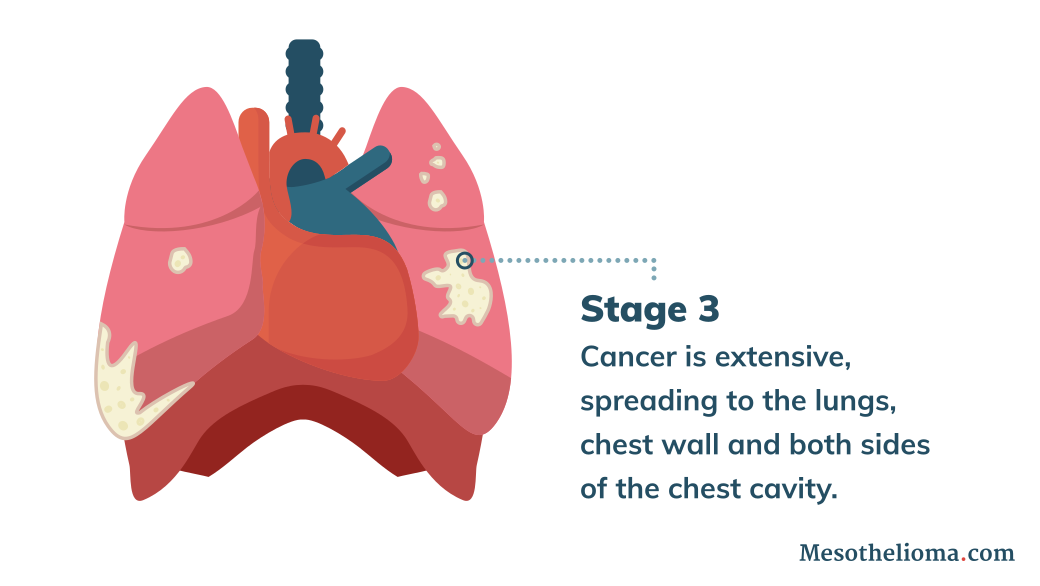
What Is Stage 3 Malignant Mesothelioma?
Stage 3 mesothelioma is an advanced stage of the asbestos-related cancer. At this stage, tumors may have metastasized (spread) to nearby lymph nodes, organs and tissues. The spread to more distant body parts is associated mainly with stage 4.
- Locally advanced cancer: The disease has spread to nearby tissues, organs or lymph nodes but not to distant parts of the body.
- Symptoms are often more noticeable: Pain, shortness of breath, fatigue and weight loss may become more severe.
- Treatment options are still available: Many patients may still qualify for chemotherapy, immunotherapy, radiation therapy and in some cases surgery.
- Prognosis varies by patient: Survival depends on factors such as cell type, overall health and response to treatment.
- Specialized care matters: Treatment from an experienced mesothelioma team may improve access to personalized care and clinical trials.
Mesothelioma is classified into four stages that describe how far the cancer has progressed. Stages 1 and 2 are considered early-stage disease, while stages 3 and 4 represent more advanced cancer.
- Stage 1: Tumor is localized to original location and has not spread.
- Stage 2: Cancer begins to spread to nearby organs and tissues.
- Stage 3: Cancer cells have spread to nearby organs, tissues and lymph nodes.
- Stage 4: Cancer has spread to nearby and distant organs, tissues and lymph nodes.
Many treatment options are available for patients with stage 3 malignant mesothelioma. These options may include surgery, chemotherapy and immunotherapy. Patients can also receive palliative treatment. It can help manage symptoms and improve quality of life.
Staging mesothelioma allows doctors to estimate the extent of cancer. This helps them choose the best treatment options. It does not define patient outcomes. Stage 3 patients generally have many options to extend life expectancy. Life expectancy depends on a number of factors like age, cancer cell type and treatment.



What Are the Symptoms of Stage 3 Mesothelioma?
Stage 3 mesothelioma symptoms typically vary from patient to patient. Symptoms can also differ according to the tumor location. Tumors in the lining of the lungs cause different symptoms than those in the lining of the belly. The patient may also experience different symptoms depending on where the mesothelioma spreads.
- Abdominal pain
- Chest pain
- Constipation
- Diarrhea
- Difficulty breathing
- Difficulty swallowing
- Dry cough
- Fatigue
- Fever
- Fluid buildup around the lungs (pleural effusion)
- Fluid buildup in the abdomen (peritoneal effusion)
- Loss of appetite and weight loss
- Nausea and vomiting
- Neck pain
- Night sweats
- Pleural plaques
*List is a combination of common pleural, peritoneal, pericardial and testicular symptoms
However, stage 3 patients may experience any of the general symptoms associated with mesothelioma. Data shows a commonly reported pleural mesothelioma symptom is fatigue. Peritoneal mesothelioma patients often report swelling of the belly.
It is possible for stage 3 mesothelioma symptoms to be more severe. This may be caused by tumor growth and spread to nearby tissues and organs.
 Did You Know?
Research indicates mesothelioma patients who undergo some form of treatment may live at least twice as long as those who do not receive treatment.
Studies suggest life expectancy for mesothelioma patients who do not receive treatment is about six months. Patients who undergo some form of treatment may survive one year or longer.
Did You Know?
Research indicates mesothelioma patients who undergo some form of treatment may live at least twice as long as those who do not receive treatment.
Studies suggest life expectancy for mesothelioma patients who do not receive treatment is about six months. Patients who undergo some form of treatment may survive one year or longer.
Stage 3 Mesothelioma by Type
Characteristics of stage 3 mesothelioma vary depending on mesothelioma type (location). Cancer staging systems help doctors link these characteristics to specific stages of cancer. For the main types of mesothelioma, stage 3 may mean tumors have spread to nearby organs or lymph nodes.
Stage 3 Pleural Mesothelioma
Doctors often use the TNM system for staging pleural mesothelioma. The method classifies pleural cases as stages 1 – 4 using the following factors:
- Tumor extent (T): Doctors consider the location of the primary tumor site and the tumor’s size in this factor.
- Lymph node involvement (N): Doctors look at whether the cancer has spread to nearby lymph nodes in this factor.
- Metastasis (M): Doctors consider whether the cancer has spread to distant organs and tissues.
In this system, stage 3 mesothelioma means the tumors have spread to nearby tissues or lymph nodes. But tumors have not yet spread to distant organs.
Stage 3 Pleural Mesothelioma Characteristics
Stage 3 mesothelioma may be divided into subgroups 3A and 3B. These subgroups consider cancer characteristics that may affect treatment options. Patients with stage 3A mesothelioma may be eligible for more aggressive treatment than stage 3B patients.
| Symptoms | Stage 3A | Stage 3B |
|---|---|---|
| Has spread to nearby organs and tissues (T) | Yes | Yes or No |
| Has spread to nearby lymph nodes on the same side of the body as the primary tumor (N) | Yes | Yes or No |
| Has spread to lymph nodes on the other side of the body or above the collarbone on either side (N) | No | Yes |
| Has spread to distant organs and tissues (M) | No | No |
Stage 3A patients may be eligible for surgery-based treatments. Stage 3B patients are generally not eligible for surgery but may receive treatments like chemotherapy or immunotherapy.
Stage 3 Peritoneal Mesothelioma
Doctors may use the Peritoneal Cancer Index (PCI) to stage this type of mesothelioma. The PCI system evaluates the spread of abdominal cancer. Patients receive a PCI score from 1 to 39, with higher scores indicating more widespread or larger tumors in the abdomen. A score in the range of 21 – 30 corresponds to stage 3 peritoneal mesothelioma.
Stage 3 Peritoneal Mesothelioma Characteristics
The PCI looks at tumors within 12 sections of the abdomen. Each section gets a score of 0 – 3 based on tumor size, with 0 indicating no tumor.
Patients with stage 3 peritoneal mesothelioma have tumors in multiple sections of the abdomen. The cancer may have spread to the lymph nodes. It may also have metastasized to distant organs or tissues. However, peritoneal mesothelioma rarely progresses beyond the abdominal area.
Stage 3 Pericardial Mesothelioma
Pericardial mesothelioma is very rare. It accounts for less than 1% of mesothelioma diagnoses. Early diagnosis of pericardial mesothelioma is difficult. By the time of diagnosis, the cancer may have spread to nearby organs and lymph nodes.
Pericardial mesothelioma is not generally staged, meaning it is unlikely that a diagnosis will define the disease as stage 3.
Stage 3 Testicular Mesothelioma
Testicular mesothelioma is very rare, comprising less than 1% of mesothelioma diagnoses. It develops in the lining of the testes, and early diagnosis may be difficult. According to one study, testicular mesothelioma has a high potential for misdiagnosis. The disease may not be properly diagnosed until it has spread beyond the primary tumor location. Even after diagnosis, doctors may not stage testicular cases because no official staging system exists.
Locate a Mesothelioma Cancer Center Near You Find the right fit for your situation Get Connected
Stage 3 Mesothelioma Treatment
In stage 3, mesothelioma patients may be eligible for therapeutic treatments, such as surgery, chemotherapy and radiation. Mesothelioma doctors may recommend a multimodal approach, which involves a combination of two or more treatment types. These treatments may improve life expectancy.
Staging helps doctors recommend the best treatment options. As discussed above, it is one of several factors that they use to create a treatment plan for individual patients.
Treatment Decisions: Why an Experienced Multidisciplinary Team Matters
Stage 3 mesothelioma is a locally advanced stage of the disease that often requires careful evaluation to determine the most appropriate treatment approach. Treatment decisions depend on several factors, including whether the cancer is potentially removable with surgery, the mesothelioma cell type, the extent of the disease and the patient’s overall health.
The 2025 American Society of Clinical Oncology (ASCO) Guideline Update recommends that patients with pleural mesothelioma that can potentially be removed by surgery be evaluated by an experienced multidisciplinary team before treatment decisions are made. Similarly, the 2026 Society of Thoracic Surgeons Expert Consensus recommends that treatment decisions be discussed by a multidisciplinary tumor board that includes thoracic surgeons with expertise in mesothelioma.
Patients who seek care at a cancer center with experience treating mesothelioma may benefit from a team of specialists, including thoracic surgeons, medical oncologists, radiation oncologists, radiologists, pathologists and palliative care physicians, who work together to help patients understand their options and develop a personalized treatment plan. This collaborative approach helps ensure that patients are evaluated for all appropriate treatment options, including surgery, chemotherapy, immunotherapy, radiation therapy, palliative care and clinical trials.
- Chemotherapy
- Experimental therapies
- Immunotherapy
- Multimodal therapy
- Palliative care
- Radiation therapy
- Surgery
Surgery
Patients with stage 3 mesothelioma may be eligible for surgery. Several surgeries have shown success in improving life expectancy.
Patients with stage 3A pleural mesothelioma are more likely to be eligible for aggressive surgery than stage 3B patients. Stage 3A pleural patients may undergo extrapleural pneumonectomy (EPP), which involves removing a lung. Another surgery option may be pleurectomy/decortication (P/D), a surgery that spares the lung.
Patients with stage 3 peritoneal mesothelioma may undergo cytoreductive surgery (CRS). This aggressive surgery is a standard treatment for eligible peritoneal mesothelioma patients. Patients who do not initially qualify for CRS may become eligible after chemotherapy.
Chemotherapy
Stage 3 mesothelioma patients may receive chemotherapy as part of their treatment plan. For patients with lots of tumor spread, chemotherapy may be the preferred treatment option. Chemotherapy is often combined with surgery in patients who undergo EPP, P/D or CRS for more effective treatment.
In some cases, chemotherapy may help initially ineligible patients qualify for surgery.
Radiation Therapy
Stage 3 mesothelioma patients may undergo radiation to kill cancer cells. Radiation therapy is more common as a pleural mesothelioma treatment. Peritoneal mesothelioma patients do not regularly undergo radiation therapy.
Radiation therapy may be combined with other therapies to treat pleural mesothelioma. For example, doctors have combined radiation, surgery and chemotherapy for more effective treatment.
Immunotherapy
Patients with stage 3 mesothelioma may receive immunotherapy. Immunotherapy is a standard treatment for mesothelioma. The checkpoint inhibitor combination of Opdivo® (nivolumab) and Yervoy® (ipilimumab) is approved to treat pleural mesothelioma.
In one study, researchers compared patients who received Opdivo and Yervoy with those who received chemotherapy. They reported longer median survival in the patients receiving the immune checkpoint inhibitors.
Researchers continue to study other checkpoint inhibitors to treat mesothelioma. Immunotherapy may be a treatment option for patients who do not qualify for surgery. Researchers in at least one study treated stage 3 mesothelioma with the checkpoint inhibitors Imfinzi® (durvalumab) and Imjudo® (tremelimumab). The study yielded promising results that warrant further research.
In one recent case, a patient received an initial diagnosis of inoperable stage 3 mesothelioma. After treatment with Opdivo and Yervoy, doctors determined the patient was eligible for P/D. The patient received surgery. At the time of their last follow-up, the cancer had not returned.
At least one clinical trial is looking into using Opdivo and Yervoy to treat peritoneal mesothelioma. Study patients must qualify for CRS combined with chemotherapy.
Multimodal Therapy
A multimodal approach is often used to treat stage 3 mesothelioma. Multimodal therapy combines two or more cancer treatments. For example, eligible mesothelioma patients often undergo surgery followed by chemotherapy. This method of treatment has been shown to be more effective than surgery alone.
If surgical resection is deemed appropriate, it should be part of a multimodal treatment plan.
There are many different multimodal approaches to treating stage 3 mesothelioma. Stage 3 patients may receive some combination of surgery, chemotherapy, radiation and immunotherapy. Doctors may also combine these more standard therapies with experimental treatments. Researchers continue to look at different ways of combining therapies to improve life expectancy.
Any combination of therapies will be based on a number of factors. These factors include tumor location, cell type and overall patient health. A mesothelioma doctor can determine the best treatment combination for an individual patient.
Clinical Trials
Researchers and doctors continue to work to improve mesothelioma life expectancy. Clinical trials allow mesothelioma patients to access new treatments. These may include emerging therapies, new combinations of existing treatments or existing treatments being tested for different types of mesothelioma. Stage 3 mesothelioma patients may be eligible to join clinical trials. Mesothelioma doctors can help patients determine if they qualify.
Palliative Care
Doctors may suggest palliative care for stage 3 mesothelioma patients. Palliative treatments are intended to help manage symptoms and improve quality of life. They are an integral part of cancer care at any stage of treatment, not just at the end of life. It is not uncommon for a treatment plan to combine therapeutic treatments with palliative care.
Alternative Therapies
In addition to standard treatment options, patients may consider alternative therapies. They may engage in practices like hypnotherapy, yoga and meditation. Patients may also choose to take herbal medicine and nutritional supplements. Alternative therapies are not proven to treat cancer but may provide additional comfort for patients. Patients may choose to incorporate alternative therapies into their treatment plans.
Stage 3 Treatment Costs
Costs for stage 3 mesothelioma treatment vary based on several factors. Insurance coverage, treatment type, whether a patient has to travel for treatment and other factors all affect cost.
Examples of costs associated with stage 3 mesothelioma treatments include:
- $7,567 for diagnostic workups*
- $39,000 for 6 cycles of chemotherapy with cisplatin and pemetrexed
- $54,000 for P/D surgery
- $62,000 for EPP surgery
*Based on average cost of lung cancer diagnosis
A patient’s insurance may cover some or all of the costs of treatment. Patients can also explore other options for financial assistance. Government programs like Medicare, Medicaid and Social Security Disability Insurance (SSDI) may be available. Veterans with asbestos-related diseases may be entitled to VA benefits.
Mesothelioma patients may also be able to receive financial compensation through an asbestos lawsuit. Compensation from a settlement or verdict can help pay for other costs associated with treatment, like travel costs. Patients and their loved ones can contact a mesothelioma lawyer to explore their legal options.
Stage 3 Mesothelioma Prognosis
A mesothelioma prognosis estimates a patient’s life expectancy and how the disease will progress. Historically, stage 3 mesothelioma had a poor prognosis. But improvements in treatment options are helping to change this. Treatments like chemotherapy, immunotherapy and surgery have helped improve many initial prognoses.
Other factors besides stage also impact prognosis. These factors look beyond cancer spread and tumor size to estimate patient outlook.
- Age: Younger patients may have more favorable prognoses than older patients.
- Cell type: Epithelioid mesothelioma is generally associated with a better prognosis than biphasic or sarcomatoid cell types.
- Gender: Women with mesothelioma may have more favorable prognoses than men.
- Overall health: A patient’s overall health and existing medical conditions may affect treatment options and prognosis.
- Tumor location: The location of mesothelioma tumors may influence prognosis. For example, peritoneal mesothelioma is often associated with a more favorable prognosis than mesothelioma in other areas of the body.
Mesothelioma prognosis is complex and different for each patient. A doctor can consider a patient’s individual case, including stage of disease, when estimating prognosis.
Stage 3 Mesothelioma Life Expectancy
Life expectancy for stage 3 mesothelioma ranges from about 16 to 56 months with treatment, varying from patient to patient. The best way to improve life expectancy is through treatment. Other factors also affect stage 3 mesothelioma life expectancy, including whether the cancer has spread to nearby lymph nodes.
How Long Can You Live With Stage 3 Mesothelioma?
Stage 3 patients who undergo treatment have a median survival that varies depending on the type of mesothelioma.
- Stage 3 pleural mesothelioma: Median overall survival at this stage is 16 months, compared to 12 months for stage 4 patients.
- Stage 3 peritoneal mesothelioma: Median overall survival is 56 months, compared to 26 months for stage 4 patients.
Median survival is the point in time at which half of a group of patients are still alive. It serves as a good estimate of life expectancy.
Treatment is the best way to improve life expectancy for stage 3 patients. Some patients who received treatment have outlived their initial prognosis by years.
Understanding Lymph Node Involvement and Life Expectancy
The lymphatic system is a part of the body’s immune system. As part of this system, small organs called lymph nodes filter foreign substances like cancer cells. Cancer cells may separate from the main tumor and travel through the body using the lymphatic system. Most cancer cells die or are killed before they can settle and grow somewhere else. But some cancer cells may survive and spread the cancer to the lymph nodes.
Spread to the lymph nodes is associated with lower overall survival. Stage 3 mesothelioma may or may not have spread to nearby lymph nodes.
Stage 3 mesothelioma patients with lymph node spread may still be eligible for aggressive treatment. More aggressive treatments may help improve life expectancy. A doctor can determine the most effective treatment options for patients with lymph node involvement.
Stage 3 Mesothelioma Survival Rate
Research into new treatment techniques has helped improve survival rates in mesothelioma patients. Survival rates are the percentages of patients who live for a period of time after diagnosis. They vary based on the type of mesothelioma and may be affected by other factors, as discussed above.
For mesothelioma, the most commonly reported survival rates are 1-year and 2-year. But recently, better treatments have led to improved survival rates. Because of this, 3-year and 5-year mesothelioma survival rate statistics are becoming more common.
Stage 3 Pleural Mesothelioma Survival Statistics
Pleural mesothelioma occurs in the lining around the lungs, also called the pleura. Survival rates in stage 3 pleural patients who received treatment have been reported as follows:
- 1-year: 62%
- 2-year: 29%
- 5-year: 6%
Stage 3 Peritoneal Mesothelioma Survival Statistics
Peritoneal mesothelioma occurs in the lining of the abdomen, also called the peritoneum. Survival rates for peritoneal mesothelioma are generally more favorable than for pleural mesothelioma. Rates for stage 3 peritoneal patients who received treatment have been reported as follows:
- 1-year: 84%
- 3-year: 57%
- 5-year: 48%
Stage 3 Testicular and Pericardial Mesothelioma Survival
Testicular and pericardial mesothelioma are both rare forms of the cancer. Testicular mesothelioma develops in the lining around the testicles. Pericardial mesothelioma develops in the lining around the heart, also called the pericardium. Because these two types of mesothelioma are rare, data on stage 3 survival rates is not readily available.
A mesothelioma doctor can estimate a pericardial or testicular patient’s individual prognosis. This includes estimating survival.
Can Stage 3 Mesothelioma Be Cured?
There is currently no cure for mesothelioma cancer. However, stage 3 patients commonly qualify for aggressive surgery-based treatments. In one study, this type of treatment achieved a median survival of 32 months in stage 3 patients. Researchers also continue to evaluate new and existing treatments.
Treatments are changing and they’re getting better and there’s more long term survivors now than there ever has been.
 Heather Von St. James
Stage 3 Mesothelioma Survivors
Some survivors diagnosed with stage 3 mesothelioma have outlived their initial prognosis. Mesothelioma research shows that the best way to improve survival is by receiving treatment. Although stage 3 is considered an advanced stage of mesothelioma, many treatment options are available. With treatment, patients may outlive their initial prognosis by years.
Have a Question About Stage 3 Mesothelioma? Ask experienced mesothelioma advocate Jennifer Lucarelli Ask a Question
Common Questions About Stage 3 Mesothelioma
How is stage 3 mesothelioma diagnosed?
Can stage 3 mesothelioma patients have surgery?
What is the best treatment for stage 3 mesothelioma?
How can stage 3 life expectancy be improved?
Is stage 3 mesothelioma terminal?
Financial Assistance for Mesothelioma Patients

Dr. Francis Perry Wilson is the Director of the Clinical and Translational Research Accelerator at the Yale University School of Medicine. He specializes in nephrology and clinical research.

Amy Zappone brings nearly two decades of experience in education and research-based communication. At Mesothelioma.com, she translates complex topics into understandable resources that help patients and families make informed decisions.