Mesothelioma Pleural Effusion

Pleural effusion, or fluid on the lungs, is a common symptom of pleural mesothelioma. This is a buildup of liquid in the lining around the lungs, which affects more than 95% of patients. It can cause breathlessness, chest pain and cough. Treatment often starts with draining the fluid.
Learn About Pleural Effusion in Our Free Guide
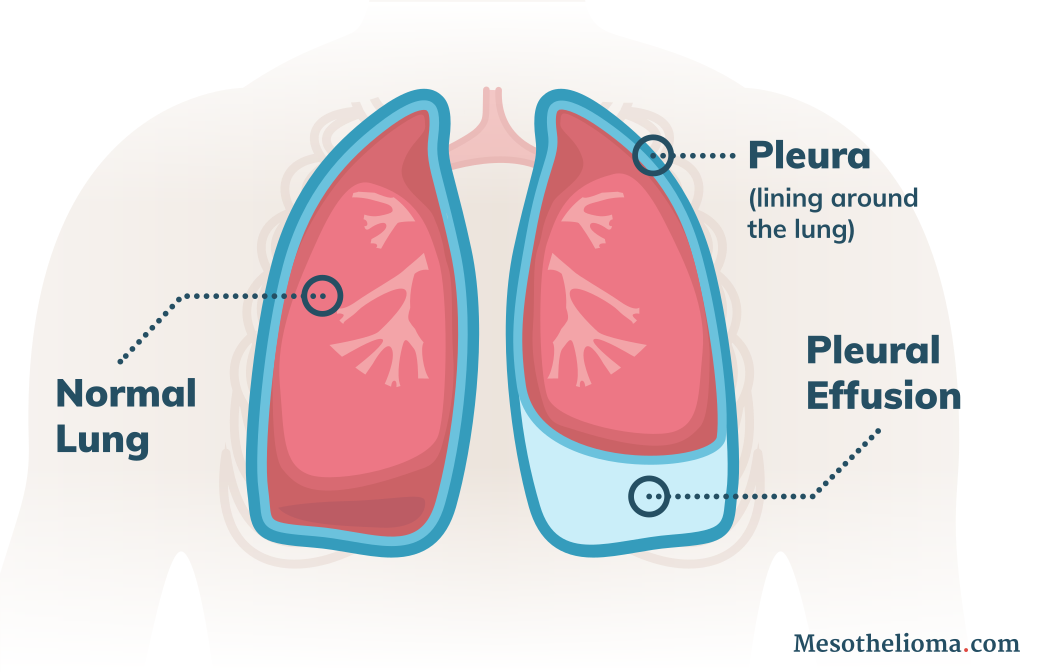
What Is Pleural Effusion?
Pleural effusion happens when extra fluid collects within the lining around the affected lung (the pleura). The pleura has two layers. In healthy people, the area between the layers (the pleural space) holds a small amount of fluid. This helps the layers slide smoothly when you breathe. Effusion occurs when fluid builds up beyond the normal amount.
- Cause: Mesothelioma disrupts the normal balance of fluid in the pleura. Inflammation, excess protein production and blocked lymph drainage can cause fluid to build up.
- Symptoms: Shortness of breath is the most common symptom of pleural effusion. Many people also experience chest tightness that makes breathing difficult.
- Diagnosis: Doctors diagnose pleural effusion with a physical exam and imaging tests such as X-rays, ultrasound or CT scans. They may also analyze a sample of the fluid.
- Treatment: Pleurocentesis removes excess fluid to relieve symptoms. Pleurodesis helps prevent future pleural effusions by sealing the pleural space.
- Frequency: About 60% – 95% of people with pleural mesothelioma have a pleural effusion at diagnosis.
- Prognosis: Prognosis depends on the cause of the pleural effusion, overall health and treatment. Benign pleural effusions generally have a better outlook than malignant pleural effusions.
Several conditions can trigger this buildup of excess pleural fluid, including mesothelioma. Common causes include heart failure, kidney disease and pneumonia. If enough fluid collects, it can press on the lung, making it difficult to breathe. Doctors may recommend draining the effusion to relieve this mesothelioma symptom.
Why Does Mesothelioma Cause Pleural Effusion?
Pleural mesothelioma triggers effusion by increasing pleural fluid production and slowing its drainage. Mesothelioma tumor cells contribute to fluid buildup by doing the following:
- Draw extra liquid into the pleural space
- Spread to and block flow in the lymph nodes, slowing drainage
Research suggests more than 95% of patients experience pleural effusion at some point. For many, it is the first noticeable sign of pleural mesothelioma. Several other conditions can lead to pleural effusions. This means fluid buildup can be triggered in different ways depending on the root cause.
What Is the Prognosis for Mesothelioma Pleural Effusion?
Experts estimate survival of 1 – 2 years for malignant pleural effusions. With pleural mesothelioma, effusion is a symptom of that cancer. Pleural mesothelioma has an average life expectancy of about 18 months. The location, size and number of tumors impact both the prognosis and severity of pleural effusion.
Each patient’s pleural effusion life expectancy depends on the underlying cause and other individual factors. Benign pleural effusion 1-year survival rates range from about 50% to 75%. For mesothelioma patients, characteristics like cancer stage, cell type and treatment also affect prognosis.
Asbestos-Related Pleural Effusion
Asbestos exposure may increase your risk of developing pleural effusion. Once inhaled, asbestos fibers can cause inflammation and illness, including effusions. In rare cases, exposure can cause benign asbestos pleural effusion (BAPE).
BAPE occurs when a patient has pleural effusion with no other cause except asbestos exposure. Patients with BAPE do not necessarily have mesothelioma but may develop it in the future.
 Did You Know?
Mesothelioma is best diagnosed by a specialist due to the rarity of the disease.
Earlier diagnosis means that more aggressive treatments can be used, leading to a longer life expectancy.
Did You Know?
Mesothelioma is best diagnosed by a specialist due to the rarity of the disease.
Earlier diagnosis means that more aggressive treatments can be used, leading to a longer life expectancy.
Which Other Conditions Cause Pleural Effusion?
Heart failure, cancer and pneumonia are the most common causes of pleural effusions. These illnesses trigger effusion by increasing pleural fluid, decreasing its drainage or both. Other conditions can also cause pleural effusions.
- Blood cell cancers
- Breast cancer
- Lung cancer
- Lymphoma
- Mesothelioma
- Ovarian cancer
- Asbestosis
- Cirrhosis (liver disease)
- Heart failure
- Pneumonia
- Pulmonary embolism (blood clot in the lung)
- Tuberculosis
Pleural effusion affects approximately 1.5 million Americans each year. Because treatment depends on the underlying cause, doctors often drain and test the fluid before recommending a care plan.
Who Is More Likely to Get Pleural Effusion?
People who smoke or drink alcohol may have a higher-than-average risk of developing pleural effusion. This is because smoking and drinking can cause heart, lung and liver problems, which can trigger effusion. Those with cancer, infections, heart failure or other chronic illnesses are also more likely to develop pleural effusions. Anyone can develop a pleural effusion, but some people have a higher risk than others.
Locate a Mesothelioma Cancer Center Near You Find the right fit for your situation Get Connected
What Are the Symptoms of Mesothelioma Pleural Effusion?
Mesothelioma pleural effusion often causes shortness of breath, chest pain, coughing and fatigue. Benign and malignant pleural effusions usually cause similar symptoms because the fluid buildup itself creates pressure around the lungs.
Pleural effusion does not occur on its own. It typically signals an underlying condition like mesothelioma, heart failure or another disease. Some patients have few or no symptoms, but the effusion may be found incidentally during testing.
- Chest pain
- Dry cough
- Dyspnea (shortness of breath)
- Fatigue
- Fever
- Orthopnea (inability to breathe easily unless sitting up or standing)
Symptoms can range from mild to severe based on the amount of fluid in the pleural space. The greater the amount of fluid, the more noticeable symptoms may become.
How Is Mesothelioma Pleural Effusion Diagnosed?
Doctors diagnose mesothelioma pleural effusion with tests like physical exams, imaging and fluid-collecting procedures. Technicians will then analyze the pleural fluid sample. Identifying the underlying cause helps doctors confirm a diagnosis and recommend the most appropriate treatment.
Doctors often use the following tests to diagnose pleural effusion:
- Imaging tests: Chest X-rays, ultrasound and CT scans can detect pleural effusion.
- Physical exam: A doctor listens to the lungs and checks for signs of fluid buildup.
- Thoracentesis (pleurocentesis): Doctors drain a sample of pleural fluid for laboratory testing. Analyzing the fluid can help identify cancer, infection or another underlying cause.
- Thoracoscopy: Doctors use a small camera to examine the pleura and, if needed, collect tissue samples for biopsy.
After diagnosing pleural effusion and determining its cause, doctors can develop a treatment plan. This helps manage the fluid buildup and addresses the underlying condition, such as pleural mesothelioma.
Types of Pleural Effusion
Pleural effusion can look different depending on what's causing it. Doctors sort these effusions into several types based on what's in the fluid. Each type can point to a different underlying cause. Knowing the types of pleural effusion provides doctors with additional clues about the fluid and its underlying cause.
| Effusion Type | Characteristics |
|---|---|
| Benign | Non-cancerous effusion caused by conditions such as heart failure |
| Bloody | Blood-containing effusion often caused by trauma or injury |
| Lymph-containing | Milky effusion caused by lymph fluid leaking into the pleural space |
| Malignant | Cancer-related effusion containing malignant cells |
| Protein-rich | High-protein (exudative) effusion often linked to cancer or inflammation |
| Pus-containing | Pus-filled effusion caused by an infection |
| Watery | Low-protein (transudative) effusion often caused by heart failure or cirrhosis |
For mesothelioma patients, this information can help doctors decide whether to treat the effusion directly, the cancer itself or both. Other types of effusions may guide providers toward different treatment approaches.
A 2026 study found that pleural effusion fluid alone identified mesothelioma cells in about 27% of patients. While fluid testing can diagnose some cases, most patients still need a biopsy to confirm mesothelioma and guide treatment.
Early Detection of Pleural Effusion Can Help Mesothelioma Patients
Early detection of pleural effusion could also lead to an early mesothelioma diagnosis.
Some patients with benign pleural effusion and past asbestos exposure may later develop pleural mesothelioma. In these cases, doctors can continue to monitor the patient for signs of mesothelioma. This may help with early diagnosis.
Earlier diagnosis generally comes with a more favorable mesothelioma prognosis. But life expectancy also depends on a patient’s cell type, age, overall health and other factors. While every case is different, early detection gives doctors more time to recommend effective treatment options.
Can Fibulin-3 in Effusion Fluid Help Diagnose Mesothelioma?
Mesothelioma can be challenging to diagnose, so researchers have been exploring biomarkers like fibulin-3 in effusion fluid. While some sources suggest a 2025 study supports its diagnostic value, current research doesn't confirm this.
Our analysis did not demonstrate significant differences between [mesothelioma] patients and those with [benign pleural effusions]. This aligns with previous studies.
Radiology and Oncology, 2025
Overall, fibulin-3 in effusion fluid has shown limited diagnostic purpose so far. But research is ongoing, and future biomarker findings may still improve early detection.
How Is Mesothelioma Pleural Effusion Treated?
Pleural effusions are typically treated by draining the excess fluid and, when needed, preventing it from returning. Common procedures include thoracentesis (pleurocentesis) and pleurodesis. The first procedure removes fluid to relieve symptoms. The second seals the pleural space to help prevent future fluid buildup. Treatment also depends on the underlying cause.
For example, doctors may prescribe diuretics for heart failure or antibiotics for infections. Doctors treat pleural effusions in mesothelioma patients with short- or long-term solutions.
Short-term approaches entail one-time drainage of excess fluid. Long-term options allow for repeated fluid drainage or seek to prevent future buildup.
Mesothelioma Pleural Effusion Treatment Options
People with mesothelioma may receive pleural effusion treatments alongside standard cancer care like immunotherapy or palliative care. Some effusion procedures provide temporary symptom relief, while others help reduce the likelihood of fluid returning. The table below highlights common treatments that help manage mesothelioma pleural effusions.
| Treatment | Type of Procedure |
|---|---|
| Pleural Drain / Pleural Catheter | Long-term, repeat drainage |
| Pleurectomy / Decortication (P/D) | Long-term, effusion preventive |
| Pleurocentesis (Thoracentesis) | Short-term, one-time drainage |
| Pleurodesis | Long-term, effusion preventive |
| Pleuroperitoneal Shunt | Long-term, repeat drainage |
| Video-Assisted Thoracoscopic Surgery (VATS) | Short- or long-term, drainage or effusion preventive |
Like all medical treatments, each option comes with its own risks and benefits. Patients should discuss these factors with a mesothelioma specialist. The doctor can explain which choices best fit an individual patient.
What Is the Best Treatment for Pleural Effusion?
For malignant pleural effusions, data indicates that talc pleurodesis is the most effective chemical-based treatment. But the best treatment for benign pleural effusion depends on the cause and patient factors. Doctors can weigh these variables and advise the best approach.
Have a Question About Pleural Effusions? Ask experienced mesothelioma advocate Jennifer Lucarelli Ask a Question
Common Questions About Pleural Effusion
What type of cancer causes fluid in the lungs?
Would my doctor use any other terms to describe pleural effusion?
Doctors commonly use different terms for a pleural effusion, including:
- Benign pleural effusion
- Fluid around the lungs
- Fluid between the lungs and chest wall
- Fluid buildup on the lungs
- Fluid in the chest
- Hydrothorax
- Malignant pleural effusion
- Water on the lungs
What is the main cause of pleural effusion?
Can medical talc for pleurodesis cause mesothelioma?
Free Mesothelioma Treatment Guide

Dr. Francis Perry Wilson is the Director of the Clinical and Translational Research Accelerator at the Yale University School of Medicine. He specializes in nephrology and clinical research.

 Medically
Reviewed by
James Stevenson, MD
Thoracic Medical Oncologist
Medically
Reviewed by
James Stevenson, MD
Thoracic Medical Oncologist
Dr. James Stevenson is a Board-Certified Medical Oncologist. He specializes in treating mesothelioma and lung cancer and practices at the Cleveland Clinic in Cleveland, Ohio.