Mesothelioma in Libby, Montana

Libby, Montana is home to one of the worst environmental disasters in U.S. history. The local vermiculite mine tainted the whole town with asbestos. Miners and residents developed mesothelioma, lung cancer and asbestosis as a result. Litigation forced the mining company to bear some responsibility.
Learn More About Asbestos and Mesothelioma in Libby
A Brief History of the Libby, Montana Asbestos Disaster
The Libby, Montana, asbestos disaster started in 1919 and continued through 1990. The local vermiculite mine was heavily contaminated with asbestos. Mining activities released the mineral into surrounding areas. Hundreds of miners and locals developed cancer as a result.
Some minerals naturally occur in the same areas. For example, vermiculite and talc are commonly found alongside asbestos. This means products that use vermiculite and talc can be contaminated with asbestos.
Key Moments in the Libby, Montana Asbestos Tragedy
- 1919: Local rancher, Ed Alley, found a vermiculite deposit and founded the Zonolite Company. It sold vermiculite-based insulation.
- 1963: Asbestos giant W.R. Grace purchased the Zonolite Company. Libby vermiculite and asbestos products were sold worldwide.
- 1977: W.R. Grace drafted a press release announcing the discontinuation of Zonolite insulation due to health hazards. The press release was never distributed.
- 1990: W.R. Grace closed the Libby, Montana, vermiculite mine.
While the mine isn’t in use today, products contaminated with asbestos from the Libby mine are still in use. For example, many older homes across the United States contain Zonolite’s vermiculite insulation. Libby vermiculite was also used in potting soil and fertilizer. Disturbing such products can cause asbestos exposure, which can lead to illnesses such as mesothelioma cancer.
Learn More About Your Legal Rights Don't lose your rights, request a free case evaluation now! Request Free Guide
What Type of Asbestos Contaminated the Libby Mine?
An amphibole asbestos, called tremolite-actinolite, contaminated the Libby vermiculite mine. This type of asbestos has a needle-like shape. This type of fiber is often called Libby Amphibole asbestos.
Amphibole asbestos contaminated up to 26% of the Libby vermiculite ore.
Amphibole asbestos is highly friable. In other words, it easily crumbles, chips and breaks apart. This can lead to fibers becoming airborne, putting individuals at risk of exposure.
Where Was Libby Amphibole Asbestos Found?
The U.S. Environmental Protection Agency (EPA) found amphibole asbestos in:*
- Animal and fish tissue
- Indoor ambient air
- Indoor dust
- Outdoor ambient air
- Soil
- Trees
- Vermiculite bulk materials
- Vermiculite insulation
- Water
*The EPA collected these findings during their investigation in Libby, Montana.
Who Was Responsible for the Libby Asbestos Contamination?
The company that operated the Libby vermiculite mines is responsible for the asbestos contamination. W.R. Grace was aware of the presence of asbestos and its health risks after it took over mining operations in 1963. The company measured dangerous levels of asbestos in the vermiculite in 1975.
Despite knowing the risks, the company allowed mining to continue. It did not warn employees about the danger. The mine operated until 1990. Hundreds of employees and other Libby residents were unknowingly exposed to asbestos as a result.
The news of the Libby asbestos disaster spread through media outlets in the late 1990s. The Seattle Post-Intelligencer published “Uncivil Action: A Town Left to Die,” which detailed the extent of the contamination. The public quickly became aware of the situation as a result.
Libby, Montana Asbestos Illnesses and Deaths
The vermiculite mines produced large amounts of dust containing asbestos. The dust affected those working in the mines and those living or working in the vicinity.
Who Was Exposed to Libby Asbestos?
Anyone who came into contact with the contaminated vermiculite risked asbestos exposure. Even those not working directly with the vermiculite faced health risks. Asbestos dust spread from the mines to neighboring buildings, homes and schools.
Libby asbestos put many people at risk of asbestos illnesses, including:
- Children in parks and sports fields near the mines
- Community members living and working near the mine
- Consumers using Libby vermiculite products
- Miners working directly with the contaminated mineral
Libby asbestos posed serious risks for people far beyond the mining town. Asbestos from the mine was incorporated into a variety of products. These materials put consumers across the country at risk of exposure and asbestos illnesses.
Illnesses Caused by Libby, Montana Asbestos Exposure
Many workers and residents were diagnosed with diseases because of Libby’s asbestos. Hundreds have died. Incidence and mortality rates continue to rise from the long-lasting impact of asbestos exposure from the mine.
Other people experienced secondary exposure. This exposure happens when people bring asbestos fibers home on their clothing. Secondary exposure has caused asbestos-related diseases to others in the home.
Exposure to asbestos-contaminated vermiculite could lead to:
- Asbestosis
- Chronic obstructive pulmonary disease (COPD)
- Lung cancer
- Mesothelioma
- Pleural plaques
- Pleural thickening
- Other asbestos cancers
- Other non-malignant asbestos diseases
Anyone exposed to asbestos in Montana at a commercial, residential or military site may develop mesothelioma or other asbestos-related diseases. Specialized cancer centers have doctors who are experienced in treating these diseases. These doctors offer patients a personalized medical plan using cutting-edge treatment options. Patients may also be eligible to participate in clinical trials.
Libby asbestos has affected entire families. Gayla Benefield, a lifelong resident of Libby, is a patient advocate and activist suffering from lung disease. Her husband and parents died from asbestos diseases. Four of her five children have also been diagnosed with asbestos diseases. Benefield shared her story in a documentary titled Libby, Montana.
Asbestos-Related Deaths in Libby, Montana
Researchers reported asbestos exposure from the Libby mine led to about 400 deaths in the 1990s. Related deaths have continued through the 2000s and are still happening today.
| Biological Sex | Number of Deaths |
|---|---|
| Male | 200 |
| Female | 56 |
The Agency for Toxic Substances and Disease Registry collected Libby mortality data from 1979 to 1998. It retrieved causes of death from death certificates.
During this time, workers from the vermiculite mine in Libby accounted for:
- 92% of asbestosis deaths
- 67% of mesothelioma deaths
- 17% of lung cancer deaths
Follow-up reports show incidence and mortality rates continue to rise. Researchers also feel the data is an underestimation of asbestos diseases related to Libby.
Former Libby residents may want to discuss past asbestos exposure with their doctors. This may encourage physicians to monitor more closely for cancer or symptoms of mesothelioma. An earlier diagnosis may allow for a wider array of treatment options.
Libby, Montana Mesothelioma Treatment
Patients who have been diagnosed with mesothelioma should seek care from a cancer center with mesothelioma treatment experience. For example, patients in Libby can find treatment options at Billings Clinic Cancer Center, in Billings, Montana. Doctors at this facility have expertise in treating mesothelioma.
Patients also have the option to seek treatment out of the state. For instance, the University of Washington Medical Center in Seattle, Washington, also treats patients with mesothelioma. This cancer center has specialists experienced in treating patients with surgery, chemotherapy, immunotherapy and other treatments.
Montana Mesothelioma Cancer Clinics
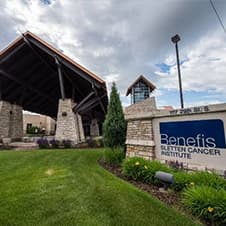

Libby, Montana Mesothelioma Doctors
Because mesothelioma is rare, it is important that Libby patients seek care from mesothelioma doctors. These specialists can create a personalized plan for each patient and optimize treatment to help extend the patient’s life expectancy with mesothelioma.
Montana Mesothelioma Doctors

Over the last several decades, asbestos cleanup efforts in Libby have made the area safer for residents. However, mesothelioma has a long latency period. Libby residents experiencing symptoms of mesothelioma should consult a doctor, even if their asbestos exposure occurred many years ago.
Request a Free 2026 Mesothelioma Guide Our packet will be sent to you within 24 hours Request Free GuideLibby, Montana Asbestos Lawsuits and Settlements
More than $68 million in settlements and lawsuit verdicts have been paid over Libby’s asbestos contamination.
W.R. Grace continues to face asbestos claims after exposing victims to asbestos in Libby. Workers, community members and their loved ones have suffered from asbestos-related diseases and died as a result of the company’s actions.
W.R. Grace has paid millions of dollars to settle asbestos claims. Notable asbestos lawsuits against W.R. Grace include:
- 2011: A judge awarded a $43 million settlement to more than 1,300 claimants.
- 2017: A judge awarded a $25 million settlement to more than 1,000 claimants.
- 2018: Montana’s Supreme Court appointed six new judges to handle thousands of pending Libby claims.
- 2022: A jury awarded a former miner for W.R. Grace $36.5 million.
By filing an asbestos lawsuit, victims may be able to receive financial compensation. This can help with treatment costs, lost income and other related hardships.
W.R. Grace set up a trust fund to address the large number of asbestos claims. The asbestos trust fund helps ensure current and future claimants receive financial help. To determine trust fund eligibility, individuals should seek counsel from an asbestos attorney.
Finding a Lawyer or Law Firm in Libby, Montana
Mesothelioma victims in Libby can pursue compensation for an asbestos-related injury. A law firm experienced in asbestos litigation can explain different legal options for Montana asbestos compensation.
Attorneys can help patients determine which type of compensation they may receive based on their exposure and work history. They can also help decide the best state to file a lawsuit.




Deadlines for Filing Mesothelioma Lawsuits in Libby, Montana
Mesothelioma lawsuits must be filed within a certain time frame set by laws known as statutes of limitations. The deadlines vary by state and type of lawsuit. Mesothelioma patients and their families can contact a lawyer to learn more about the filing process.
Claims must be filed within 3 years after an asbestos-related diagnosis.
Claims must be filed within 3 years after an asbestos-related death.
Mesothelioma lawsuits may result in compensation from settlements or verdicts. This compensation can help pay for costs related to a mesothelioma diagnosis and provide financial security.
Examples of people who filed successful lawsuits near Libby include:
Age: 67
Occupation: Laborer
Jobsites Worked at: Eagle Electric & Plumbing (1968 – 1972); Tower Electric Inc. (1970 – 1971); Wagstaff Machine Works (1966 – 1967)
Settlement: ~$4,395,000
Age: 70
Occupations: Pipefitter, Plumber
Jobsites Worked at: Gale Mechanical (1976 – 1977)
Settlement: ~$2,222,180
Age: 73
Occupations: Office worker, Home renovations
Jobsites Worked at: Neil Ringrose, DDS (1972 – 1979)
Settlement: ~$1,375,250
Age: 71
Occupations: Construction, Mechanic
Jobsites Worked at: Jim Palmer Trucking (1985)
Settlement: ~$816,379
Libby, Montana Asbestos Cleanup Efforts
The EPA placed the Libby area on the Superfund program’s National Priorities List (NPL) in 2002. It also established a plan for cleanup and decontamination. As of 2018, the EPA had completed much of the cleanup outside of the mines and surrounding forest.
Concerns about asbestos exposure in Libby, Montana, began to peak in the late 1990s. Citizens, local government and media brought concerns to the EPA. The EPA began investigating in 1999.
Libby is one of the largest environmental disasters in United States history. In 2009, the EPA declared Libby a public health emergency to provide asbestos victims with federal healthcare assistance. It also emphasized the serious health risks associated with exposure from the mine.
W.R. Grace had to contribute $250 million toward past and future cleanup efforts. By 2018, the EPA had spent more than $600 million on the project.
Where Did Asbestos Need to Be Removed in Libby, Montana?
The EPA investigated more than 8,100 properties within the Libby Superfund site. The Libby asbestos cleanup covered more than 2,600 of these properties. The EPA completed cleanups at all:
- Commercial areas
- Former vermiculite-processing plants
- Other contaminated public areas
- Parks
- Residential areas
- Schools
The EPA removed more than one million cubic yards of contaminated soil. The soil was deposited in the closed vermiculite mine. The agency also removed more than one million cubic yards of asbestos-contaminated waste from source areas and structures. The waste was disposed of in a designated landfill cell. The old mine and forested areas in Libby remain contaminated.
Is It Safe to Live in Libby, Montana?
Officials at the EPA say it is now safe to live in Libby, Montana. The agency completed its investigation and cleanup of Libby, Montana, in 2018.
According to the EPA, the asbestos level in Libby air “is now nearly 100,000 times lower than when the vermiculite mine and mill were operating.”
Over the past few years, the EPA has removed portions of Libby from the NPL. This demonstrates their progress toward diminishing associated health risks.
Is There Still Asbestos in Libby, Montana?
In some areas of Libby, Montana, asbestos may still be a problem. For example, the EPA has not yet addressed asbestos cleanup of the vermiculite mine site and forested areas.
The EPA plans to establish a cleanup plan for the forests. It has acknowledged the risk of exposure to emergency personnel in the event of a wildfire. The agency has offered support to the U.S. Forest Service and local and state partners in Libby, Montana, to assist with fire preparedness.
On July 1, 2020, the EPA transferred the majority of project oversight to the Montana Department of Environmental Quality (DEQ). The EPA continues to oversee the actual mine site.
Why Are People Still Dying in Libby, Montana?
Asbestos continues to have a long-lasting impact on Libby. Residents continue to die and face asbestos-related diagnoses.
Some victims are only now receiving a diagnosis from exposure years ago. For example, signs of mesothelioma may take years to emerge. Because the disease has a long latency period, symptoms can take 10 – 50 years to present.
Sources
Agency for Toxic Substances and Disease Registry. Mortality in Libby, Montana (1979 – 1998).
Billings Gazette. Asbestos washing into rivers spurs call for Libby mine cleanup.
Bloomberg Law. Montana Judge Approves $43 Million Settlement for Libby Asbestos Victims.
Centers for Disease Control and Prevention. CDC WONDER: About Underlying Cause of Death, 1999-2020.
Miller A, Loewen GM, Szeinuk J. Follow-up of the libby, montana screening cohort: a 17-year mortality study: likely underestimation of nonmalignant asbestos-related disease. J Occup Environ Med. 2020 May;62(5):e233–4.
Montana Public Radio. Six Judges Added To Hear Libby Asbestos Claims Backlog.
Naik SL, Lewin M, Young R, Dearwent SM, Lee R. Mortality from asbestos-associated disease in Libby, Montana 1979-2011. J Expo Sci Environ Epidemiol. 2017 Mar;27(2):207–13.
NBC Montana. Libby asbestosis victims wait for settlement.
NPR. EPA Deems Montana City An Environmentally Safe Place To Live.
Seattle Post-Intelligencer. Uncivil Action – A Town Left to Die, Asbestos: Forgotten Killer.
United States Environmental Protection Agency. EPA deletes portion of Libby, Montana Superfund site from National Priorities List.
United States Environmental Protection Agency. LIBBY ASBESTOS SITE LIBBY, MT Cleanup Activities.
United States Environmental Protection Agency. What is Superfund?
Whitehouse AC, Black CB, Heppe MS, Ruckdeschel J, Levin SM. Environmental exposure to Libby Asbestos and mesotheliomas. Am J Ind Med. 2008 Nov;51(11):877–80.
Financial Assistance for Mesothelioma Patients


 Legally
Reviewed by
Jennifer Lucarelli
Mesothelioma Lawyer and Legal Advisor
Legally
Reviewed by
Jennifer Lucarelli
Mesothelioma Lawyer and Legal Advisor
For more than two decades, Jennifer Lucarelli has served as Legal Advisor at Mesothelioma.com. She has advocated for more than 1,000 asbestos victims, securing millions in settlements and helping them access quality medical care.