
Asbestos Vinyl Products

Asbestos vinyl materials were often used in flooring and wallpaper. Workers and those who live in older homes may face exposure risks from such products. Exposure can lead to illnesses like mesothelioma. People who become ill after exposure may be eligible for compensation.
Learn More About Asbestos-Containing Products
Why Was Asbestos Used in Vinyl Products?
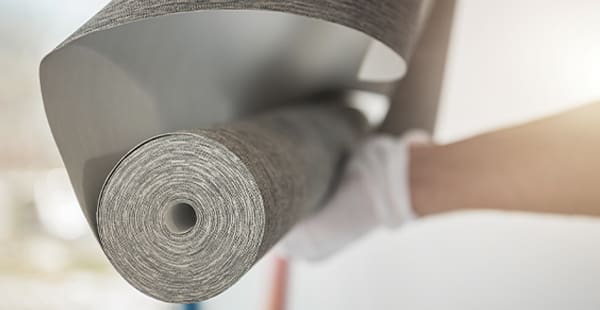
Manufacturers once added asbestos to vinyl to make it more resistant to heat and fire. Vinyl is a synthetic resin or plastic material often used in flooring and wall coverings.
Vinyl is cheap, durable, easy to clean and customizable. These qualities have made it a popular choice for flooring and wall coverings for decades. Vinyl products were especially popular as inexpensive substitutes for linoleum flooring.
By the 1980s, many manufacturers stopped using asbestos in products. The Environmental Protection Agency (EPA) and other agencies had implemented stricter asbestos regulations. Today, it’s more common to find asbestos vinyl products in older homes and buildings.
Asbestos Vinyl Products History at a Glance
- Other Names: Asbestos vinyl floor tiles, asbestos vinyl sheets, asbestos-containing wallpaper
- Years of Manufacture: 1900s – 1980s
- Places Used: Flooring, wallpaper
- Asbestos Use Banned: Chrysotile asbestos was banned for new uses in 2024, but some old vinyl products may still contain asbestos
- Noteworthy Brands: Armstrong World Industries, Congoleum, The Flintkote Company, GAF Corporation, Kentile Floors

List of Asbestos Vinyl Products
Before the 1980s, vinyl products frequently contained asbestos. For instance, asbestos was often used in these vinyl materials:
- Asbestos-containing adhesive used to install vinyl wallpaper and flooring
- Backing of vinyl sheet flooring
- Backing of vinyl wallpaper
- Vinyl asbestos floor tiles
Asbestos was used in vinyl products to enhance durability and heat resistance. Vinyl flooring contained between 10% and 25% asbestos, according to one study. Another source says the felt backing for vinyl sheets contained 80% – 100% asbestos. Companies also made vinyl wallpaper with asbestos.
Common asbestos-containing vinyl products include:
| Product Name | Start Year | End Year |
|---|---|---|
| Armstrong Excelon Vinyl Asbestos Floor Tile | 1954 | 1980 |
| Congoleum Vinyl Asbestos Tile | 1954 | 1975 |
| Congoleum Vinyl Sheet Flooring with Asbestos Felt | 1965 | 1973 |
| Flintkote Vinyl Asbestos Floor Tile | 1945 | 1980 |
| GAF Ruberoid LURAN Sheet Vinyl Flooring | 1965 | 1981 |
| GAF Ruberoid Matico Asbestos Floor Tile | 1960 | 1979 |
| GAF Ruberoid Vinyl Asbestos Floor Tile | 1959 | 1981 |
| Kentile Floors KenFlex Vinyl Asbestos Tile | 1907 | 1986 |
| Kentile Floors Vinyl Sheet Flooring | 1907 | 1986 |
| National Gypsum Gold Bond Vinyl Topping Compound | 1964 | 1976 |
| Synkoloid SYNKO Vinyl Prep Mix | 1962 | 1975 |
Many companies manufactured vinyl products, like floor tiles, which had asbestos in them. These products were popular for a long time. Thousands of workers and homeowners may have been exposed to these companies’ products.
- American Biltrite
- Amtico Floors
- Armstrong World Industries
- Congoleum
- EverWear
- The Flintkote Company
- GAF Corporation
- Goodyear
- Kentile Floors
- Montgomery Ward
- National Gypsum Company
- Sears-Roebuck
- Synkoloid Company
Asbestos companies largely stopped using asbestos in vinyl products during the 1980s. Many companies already knew exposure could lead to mesothelioma and lung cancer. But they continued to use it until public concern and new regulations pressured them to stop.
 Did You Know?
Corporate documents show that asbestos companies knew the products they made were dangerous.
Speak with a lawyer today about filing a mesothelioma claim against these irresponsible companies.
Did You Know?
Corporate documents show that asbestos companies knew the products they made were dangerous.
Speak with a lawyer today about filing a mesothelioma claim against these irresponsible companies.
Who Is at Risk of Asbestos Exposure From Vinyl Products?
People who worked with asbestos-containing vinyl products are at risk of exposure. Cutting, sanding or removing these materials can release asbestos fibers into the air. Exposure to asbestos fibers can cause mesothelioma and other diseases.
Many buildings, including schools and homes, may have asbestos flooring or wallpaper. When these products decay and the asbestos is disturbed, the risk of exposure increases. This can often happen during renovations or demolitions.
Maintenance workers may disturb and release asbestos fibers in vinyl flooring products. This can occur when workers use abrasive cleaning methods on the flooring.
Newer vinyl products in the United States don’t contain asbestos. But workers still face the risk of exposure when removing old vinyl materials. Construction workers who renovate or demolish older buildings may be at risk. Secondary exposure can also occur when someone brings asbestos fibers home on their clothing.
Those who live or work in buildings with vinyl asbestos materials may also face the risk of exposure. Anyone working on DIY home renovation projects should take precautions. Asbestos abatement specialists should test vinyl floors and wallpaper before removing it.
- Carpenters
- Construction workers
- Contractors
- Demolition crews
- Electricians
- Firefighters
- Hospital workers
- HVAC workers
- Insulators
- Maintenance workers
- Painters
- Plumbers
- Teachers
- Tile installers
- Tile insulators
- Tile repairers
- Vinyl factory workers
- Wallpaper installers
Inhaling or swallowing asbestos fibers may cause mesothelioma or lung cancer. Symptoms may not appear immediately. Mesothelioma can develop after a latency period of 10 – 50 years.
Whether exposed on the job or at home, mesothelioma patients may be eligible to seek compensation.
Asbestos Lawsuits, Settlements & Other Compensation
People injured by asbestos products may be able to file lawsuits against manufacturers. Mesothelioma lawyers can help victims seek compensation for their injuries.
One mesothelioma lawsuit involved a carpenter who worked with asbestos floor tiles. His work included cutting and scoring the material, which released asbestos fibers. The carpenter later developed mesothelioma. He filed a lawsuit against Goodyear, the manufacturer of the vinyl floor tiles. Goodyear tried to have the case dismissed, but the judge denied the motion.
People who developed mesothelioma after exposure can speak to lawyers about their options. Asbestos attorneys may be able to file lawsuits on their behalf.
Compensation Following Exposure From Asbestos Vinyl Products
Asbestos manufacturers have paid significant sums to those who used their products. Workers and consumers diagnosed with a related illness have received millions in compensation.
One flooring contractor developed pericardial mesothelioma after working with asbestos vinyl for years. He sued Congoleum and other flooring companies for compensation. When he passed away during the trial, his family filed their own wrongful death lawsuit. In the end, the family and estate received nearly $3.5 million from settlements and a jury verdict.
Victims may also be eligible to file for compensation in other ways. One option is through asbestos trust funds. Some asbestos companies set up these trusts after declaring bankruptcy to compensate people injured by their products. For example, Congoleum set up a trust fund after facing lawsuits like the one mentioned above.
Mesothelioma lawyers can help victims receive compensation. These funds can come from lawsuits, trust fund claims and other types of claims.
Safely Removing Asbestos Vinyl Products
Companies in the United States no longer use asbestos in new vinyl materials. But if your home has old vinyl flooring or wallpaper, it may contain asbestos. This is especially true if your home has products installed before the 1980s.
Removing these materials can be dangerous. Damaged or aged vinyl can release hazardous asbestos fibers into the air. When asbestos can easily be crumbled into powder, it is considered friable. Friable asbestos materials pose a greater risk of exposure during removal.
Only licensed professionals should handle, remove or dispose of asbestos products. Asbestos laws and regulations provide rules and guidelines for proper handling.
Here’s what you can do if you suspect your home contains asbestos:
- Check the condition: Vinyl products in good condition usually don’t release asbestos fibers. But if they’re damaged or peeling, they become a risk. At that point, professional assessment and removal might be necessary.
- Hire experts: Only professionals trained in asbestos abatement should handle these materials. They have the tools and knowledge to perform asbestos testing without risking harm. If necessary, they can handle asbestos removal safely.
- Renovation tips: If the vinyl is still in good condition, you might not need to remove it. New flooring can cover older flooring in some cases. But it’s still a good idea to get an asbestos inspection to make sure your renovation plans are safe.
Common Questions About Asbestos Vinyl Products
Does vinyl flooring have asbestos?
What does asbestos vinyl flooring look like?
When did they stop using asbestos in vinyl flooring?
Sources
The Baltimore Sun. A FEW THINGS TO CONSIDER BEFORE TAKING UP OLD FLOORS.
Crossman RN, Williams MG, Lauderdale J, Schosek K, Dodson RF. Quantification of fiber releases for various floor tile removal methods. Applied Occupational and Environmental Hygiene. 1996 Sep;11(9):1113–24.
InspectAPedia. Asbestos Content in Floor Tile Mastics, Adhesives, or Roofing Sealants & Mastics.
InspectAPedia. History & Components of Asbestos-Containing Flooring.
InspectAPedia. Identify Asbestos-Containing Flooring.
InspectAPedia. Identify Resilient Sheet Flooring Products.
Lundgren DA, Vanderpool RW, Liu BYH. Asbestos Fiber Concentrations Resulting from the Installation, maintenance and removal of vinyl‐asbestos floor tile. Part & Part Syst Charact. 1991 Jan;8(1–4):233–6.
New York City Health. Asbestos: What You Need to Know.
Occupational Safety and Health Administration. OSHA® Fact Sheet: Asbestos.
Puget Sound Clean Air Agency. How to Properly Remove Sheet Vinyl Flooring with Asbestos Backing.
Sebastien P, Bignon J, Martin M. Indoor airborne asbestos pollution: from the ceiling and the floor. Science. 1982 Jun 25;216(4553):1410–2.
State of Oregon Department of Environmental Quality. How to Remove Nonfriable Vinyl Asbestos Floor Tiles.
United States District Court for the District of New Jersey. Congoleum Plan Trust Annual Report and Financial Statements 2017.
United States Environmental Protection Agency. EPA Actions to Protect the Public from Exposure to Asbestos.
United States Environmental Protection Agency. Learn About Asbestos.
Workplace Health and Safety Queensland. Asbestos flooring.
Zichella L, Baudana F, Zanetti G, Marini P. Vinyl-asbestos floor risk exposure in three different simulations. Int J Environ Res Public Health. 2021 Feb 20;18(4):2073.
Legal Rights for Mesothelioma Victims

For more than two decades, Jennifer Lucarelli has served as Legal Advisor at Mesothelioma.com. She has advocated for more than 1,000 asbestos victims, securing millions in settlements and helping them access quality medical care.

Katy Moncivais, Ph.D., has more than 15 years of experience as a medical communicator. As the Medical Editor at Mesothelioma.com, she ensures our pages and posts present accurate, helpful information.