Mesothelioma Photodynamic Therapy

Photodynamic therapy is an emerging mesothelioma treatment. It uses light-responsive drugs called photosensitizers to kill cancer cells. It may be used as part of a multimodal treatment plan. Research into photodynamic therapy is ongoing. Patients may be eligible to receive it through clinical trials.
Request a Free 2026 Mesothelioma Guide Free 2026 Mesothelioma Guide
What Is Photodynamic Therapy?
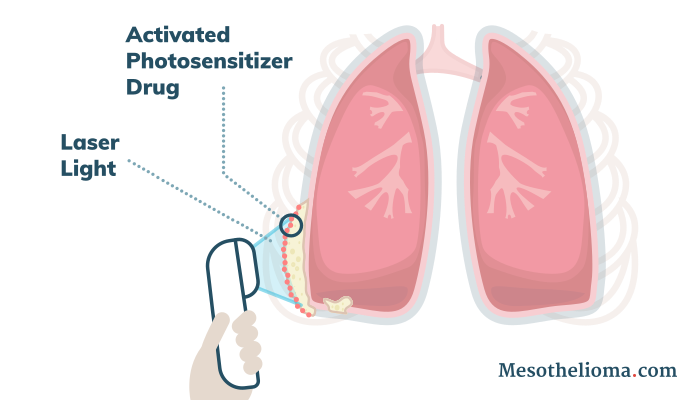
Photodynamic therapy is a treatment that uses light-responsive drugs to kill cancer cells. These drugs are called photosensitizers or photosensitizing agents. Certain types of light are used to activate the drug’s cancer-killing mechanisms.
Photofrin® (porfimer sodium) is a photosensitizer. The U.S. Food and Drug Administration (FDA) has approved it to treat esophageal cancer and non-small cell lung cancer (NSCLC). Researchers are examining the potential benefits of using Photofrin to treat mesothelioma.
Photodynamic therapy is sometimes referred to as PDT. Photodynamic therapy for mesothelioma is an ongoing area of research. Early studies have shown some positive results. This emerging mesothelioma treatment may be available to patients through clinical trials. Patients can discuss mesothelioma clinical trial eligibility with a specialist.

How Does Photodynamic Therapy Treat Mesothelioma?
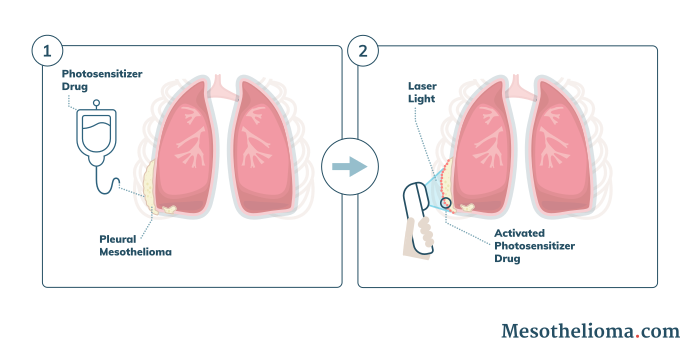
Photodynamic therapy uses light-activated drugs to kill mesothelioma cancer cells. It consists of two components: a photosensitizer drug and a light source. Patients first receive a photosensitizer injection. Then, they are exposed to laser light, which activates the drug. This creates a cancer-cell killing effect.
Both healthy and abnormal cells absorb the photosensitizer, which is nontoxic when it enters the body. Abnormal cells, such as cancer cells, retain the drug longer than healthy cells. After a period of time, most of the drug will have left healthy cells while remaining in cancer cells. At this point, the drug-treated tissue is exposed to laser light.
Exposure to laser light activates the photosensitizer drug that remains in the body. The activated drug produces a cell-killing form of oxygen. It may also cause other cancer-killing results, including:
- Shrinking tumor blood vessels: Photosensitizers may shrink blood vessels in tumors. This can deprive cancer cells of the nutrients they need to keep growing.
- Stimulating immune response: Photosensitizers may cause the immune system to attack tumor cells.
Photodynamic therapy is considered a local, or targeted, treatment. It can be precisely targeted at a specific area of the body, such as the lungs. It can also be administered repeatedly.
Doctors may use photodynamic therapy as part of a multimodal mesothelioma treatment plan. In general, these plans that combine different mesothelioma treatments can help improve survival for patients.
Photodynamic Therapy Procedure
The photodynamic therapy procedure consists of two steps. First, the mesothelioma patient receives a photosensitizer injection. Second, after a 24-to-72-hour wait, the patient is exposed to laser light. Patients may receive this treatment as an intraoperative procedure. Their hospital stay and recovery may vary based on the type of surgery combined with photodynamic therapy.
Mesothelioma patients may receive photodynamic therapy as part of a multimodal treatment plan. In clinical trials, photodynamic therapy has been administered alongside mesothelioma surgical procedures, including:
- Extrapleural pneumonectomy (EPP)
- Pleurectomy and decortication (P/D)
- Radical pleurectomy
Oncologists may also combine photodynamic therapy with other therapies as part of a patient’s treatment plan. For example, mesothelioma patients may also receive chemotherapy, radiation or immunotherapy.
Mesothelioma patients can discuss photodynamic therapy with their oncologist. A doctor can determine if this therapy is the right fit for their case. They can also explain what a patient can expect during and after the procedure.
 Did You Know?
Some treatments for mesothelioma are not covered by insurance.
Treatment for mesothelioma can become a financial burden.
Did You Know?
Some treatments for mesothelioma are not covered by insurance.
Treatment for mesothelioma can become a financial burden.
Photodynamic Therapy and Mesothelioma Survival
Early clinical trials have shown photodynamic therapy may extend survival for some pleural mesothelioma patients. Reported median survival for clinical trial patients ranges from 10 months to three years. These results make photodynamic therapy an area of interest for future mesothelioma research.
Clinical trial patients also received other treatments besides photodynamic therapy plus surgery. For example, some patients also received chemotherapy, radiation or both. Combining therapies is a common method for treating malignant pleural mesothelioma. Studies show that a multimodal approach to mesothelioma treatment can help improve survival.
Benefits of Photodynamic Therapy
Photodynamic therapy may offer various benefits to mesothelioma patients. Early research shows promising results in improving pleural mesothelioma survival. Other advantages of photodynamic therapy may include:
- It can precisely target tumor tissue, unlike some other forms of mesothelioma treatment.
- It may provide an effective treatment option for patients with advanced-stage pleural mesothelioma.
- Unlike radiation therapy, it can be repeated many times at the same site.
- When used properly, it has no long-term side effects.
Mesothelioma patients interested in photodynamic therapy can discuss it with their healthcare teams. Each patient can learn the potential benefits and risks of this treatment based on their individual case.
Questions About Mesothelioma Photodynamic Therapy?
Ask experienced mesothelioma advocate Jennifer Lucarelli
Ask a Question

What Are the Side Effects of Photodynamic Therapy?
Photodynamic therapy has no long-term side effects when used properly. But short-term side effects may occur. For instance, Photofrin causes skin and light sensitivity for 30 to 90 days after treatment. Patients may want to avoid direct sunlight during this time. Patients may also experience other treatment side effects, including burns and swelling in the treated area.
- Anemia
- Coughing
- Elevated heart rate
- Fever
- Local inflammation and swelling
- Low blood platelet count
- Low blood pressure
- Pneumonia
- Shortness of breath
- Skin irritation
- Stomach pain
- Trouble swallowing
This treatment commonly results in minimal damage to healthy cells and temporary side effects. Mesothelioma patients can discuss any side effects with their healthcare team. Team members may be able to help manage or provide relief from side effects that arise.
Who Is Eligible for Photodynamic Therapy?
Photodynamic therapy for mesothelioma cancer is still an emerging treatment. Pleural mesothelioma patients may be able to receive it through clinical trials. Different clinical trials will have their own eligibility requirements.
Patients may be ineligible for photodynamic therapy or may not benefit from it because of:
- Blood diseases: Certain blood diseases may make a patient ineligible for photodynamic therapy.
- Cancer spreading: Photodynamic therapy is a localized treatment. It is commonly used for cancers that have not spread far from where they originated. In general, it is not appropriate for cancers that have metastasized.
- Large tumor: The light used to activate photosensitizers can only go about one-third of an inch into tissue. This means the drugs are less effective with large tumors that the light cannot reach far into.
- Severe respiratory distress: Acute respiratory distress syndrome (ARDS) occurs when fluid builds up in the lungs. Patients with severe ARDS may be ineligible for photodynamic therapy.
Certain advanced-stage pleural mesothelioma patients may be eligible for photodynamic therapy. At least one study applied photodynamic therapy to patients with advanced-stage pleural mesothelioma. Eligible patients received surgical treatment along with Photofrin.
The study reported a median overall survival of 31.7 months. Historically, life expectancy for advanced stages of mesothelioma generally ranges from about 12 to 16 months. This means photodynamic therapy may have come close to doubling life expectancy when compared to earlier approaches.
Oncology team members can help mesothelioma patients understand their photodynamic therapy eligibility. Mesothelioma doctors can help ineligible patients explore other treatment options. They can develop an individualized treatment plan to potentially improve prognosis and quality of life.
Where Can I Find Photodynamic Therapy for Mesothelioma?
Mesothelioma patients may access photodynamic therapy at various cancer centers around the country. According to the American Society of Clinical Oncology, mesothelioma patients may safely receive photodynamic therapy at qualified cancer centers. The society recommends patients receive this emerging treatment through clinical trials. These trials are subject to rules and regulations to help ensure safety.
Several mesothelioma cancer centers specialize in photodynamic therapy. These centers have doctors with experience performing the procedure.



Note: This list is not exhaustive. Look for a treatment center near you to determine if photodynamic therapy is offered.
Early studies of photodynamic therapy for mesothelioma have shown promise. Researchers continue to test the therapy for mesothelioma.
For example, a clinical trial in France is currently recruiting to test an innovative treatment plan. Researchers plan to combine photodynamic therapy with Opdivo® (nivolumab), an immunotherapy drug. They will test the efficacy of the combination on patients with inoperable pleural mesothelioma. The results of this study could point to a new treatment combination.
Mesothelioma patients can talk to their doctor about photodynamic therapy. A doctor can help determine if a patient may qualify for and benefit from this emerging mesothelioma treatment.
Sources
American Cancer Society. Getting Photodynamic Therapy. Updated November 2021.
ClinicalTrials.gov. The IMmunotherapy Pleural 5-ALA PDT (IMPALA). Updated January 2023.
Friedberg J, Culligan M, et al. Radical Pleurectomy and Intraoperative Photodynamic Therapy for Malignant Pleural Mesothelioma. The Annals of Thoracic Surgery. May 2012;93(5):1658-1667. doi: 10.1016/j.athoracsur.2012.02.009
Friedberg J, Simone, II, C, et al. Extended pleurectomy/decortication-based treatment for advanced stage, epithelial mesothelioma yielding a median survival of nearly three years. The Annals of Thoracic Surgery. March 2017;103(3):912-919. doi: 10.1016/j.athoracsur.2016.08.071
Kindler H, Ismaila N, et al. Treatment of Malignant Pleural Mesothelioma: American Society of Clinical Oncology Clinical Practice Guideline. Journal of Clinical Oncology. May 2018;36(13):1343-1373. doi: 10.1200/JCO.2017.76.6394
National Cancer Institute. Photodynamic Therapy to Treat Cancer. Updated June 2021.
Neragi-Miandoab S. Multimodality approach in management of malignant pleural mesothelioma. European Journal of Cardio-Thoracic Surgery. January 2006;29(1):14-19. doi: 10.1016/j.ejcts.2005.10.008
Rice S, Li Y, et al. A Novel Prospective Study Assessing the Combination of Photodynamic Therapy and Proton Radiation Therapy: Safety and Outcomes When Treating Malignant Pleural Mesothelioma. Photochemistry and Photobiology. January 2019;95(1):411-418. doi: 10.1111/php.13065
United States Food and Drug Administration. Highlights of Prescribing Information: Photofrin (Porfimer Sodium) Injection. Updated April 2011.
Free Mesothelioma Treatment Guide


Katy Moncivais, Ph.D., has more than 15 years of experience as a medical communicator. As the Medical Editor at Mesothelioma.com, she ensures our pages and posts present accurate, helpful information.