Mesothelioma Palliative Care

Mesothelioma palliative care aims to improve quality of life by managing symptoms. It may also boost survival. It differs from hospice, as it is available at any stage of cancer therapy. Palliative therapy also includes treatments like surgery, chemo and immunotherapy.
Learn About Palliative Care for Mesothelioma in Our Free Guide
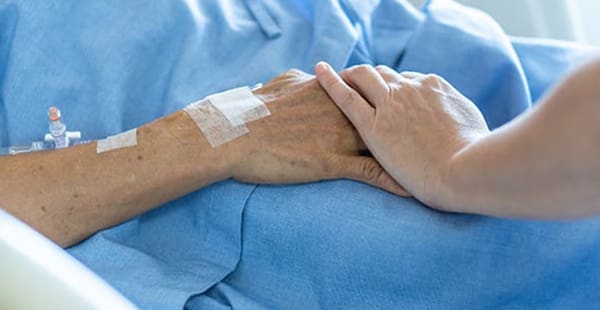
What Is Palliative Treatment for Mesothelioma?
Palliative care aims to control pain and manage symptoms for patients with mesothelioma and other serious illnesses. It also provides treatment that addresses the whole person, not just their illness. Palliative therapy is an important component of mesothelioma treatment.
Palliative care has many synonyms. It may be referred to as:
- Comfort care
- Palliation
- Palliative therapy
- Supportive care
- Symptom management
Many people may think palliative care only applies to stage 4 cancer. However, it applies to every stage of cancer and its treatment. Mesothelioma patients can start palliative care at any time after diagnosis.
Palliative care for mesothelioma may aim to accomplish a few different things. These goals may include:
- Addressing psychological, social and spiritual problems
- Preventing and/or treating the side effects of mesothelioma cancer
- Preventing and/or treating the side effects of mesothelioma treatment
Palliative care can take many forms and may differ from patient to patient. Any treatment aimed at improving quality of life could be considered palliative care.
Palliative Care Providers and Locations
Mesothelioma patients can access palliative care by speaking with their treatment teams. Patients can receive palliation in multiple environments. Palliative care specialists often have extra training or certifications. With these diverse options, palliative care can be tailored to each individual.
Palliative care locations include hospitals, long-term care facilities, outpatient clinics and patients’ homes. Palliative care providers may be nurses, physicians, social workers and spiritual counselors or advisors.
 Did You Know?
The average cost of mesothelioma treatment is $11,000 to $12,000 per month.
Over $30 billion in funds have been set aside to help mesothelioma patients with treatment costs.
Did You Know?
The average cost of mesothelioma treatment is $11,000 to $12,000 per month.
Over $30 billion in funds have been set aside to help mesothelioma patients with treatment costs.
Palliative Treatments for Mesothelioma
Healthcare providers may tailor a mesothelioma palliative treatment plan to a patient’s specific situation. This plan may take into account several factors, including:
- Mesothelioma location
- Mesothelioma stage
- Other planned treatments
- Social factors
- Support network
Patients may receive traditional mesothelioma treatments in a palliative setting. For example, chemotherapy may be used to target certain cancer symptoms and side effects.
Breathing Interventions
Breathlessness is a common symptom of advanced cancers, including mesothelioma. Patients may be offered or coached on any of the following to address difficulty breathing:
- Breathing exercises
- Physical exercises
- Supplemental oxygen
- Use of a handheld fan
Patients may have difficulty breathing alongside other side effects such as a troublesome cough. Doctors may recommend medications or lifestyle adjustments for these side effects.
Constipation Treatments
Many cancer patients experience constipation-related discomfort. Laxatives may help prevent or treat constipation, even for patients taking opioids.
Cough Treatments
Some mesothelioma patients experience bothersome coughing. Palliative care providers may recommend cough suppressants or cough syrups to address this symptom.
Excessive Sweating Assistance
Mesothelioma patients may experience excessive sweating. Doctors may advise using a handheld fan and avoiding restrictive clothing.
Fatigue and Weight Loss Interventions
Fatigue and weight loss may occur as symptoms of mesothelioma. Patients may also experience fatigue and/or weight loss as side effects of treatment. Palliative providers may encourage such patients to eat small, calorie-rich meals. Doctors may also prescribe steroids to help improve appetite and nutrition.
Fluid Accumulation Treatments
Many patients experience abnormal fluid accumulation due to cancer. Pleural mesothelioma may cause fluid to build up in between the tissue surrounding the lungs. This condition is called pleural effusion. In peritoneal mesothelioma, fluid can build up in the tissue surrounding the abdomen. This creates a peritoneal effusion. When fluid accumulates in the lining around the heart, it causes pericardial effusion.
Abnormal fluid buildup can cause discomfort and breathing difficulties. Doctors can treat this accumulation of fluid in one of two ways. They can drain or remove the excess fluid. They can also try to prevent future fluid accumulation. These strategies are common in pleural and peritoneal mesothelioma palliative care.
Pleural mesothelioma forms in the pleura. The pleura lines the outside of the lungs. Treatments for fluid buildup in pleural mesothelioma include:
- Pleurocentesis / Thoracentesis
- Pleurodesis
- Pleurectomy
Peritoneal mesothelioma forms in the peritoneum, the tissue lining the abdomen. Treatments for fluid buildup in peritoneal mesothelioma include:
- Drainage implants (catheters or shunts)
- Paracentesis
Pericardial mesothelioma forms in the pericardium, the tissue surrounding the heart. Treatments for fluid buildup in pericardial mesothelioma include:
- Pericardiectomy
- Pericardiocentesis
Mental Health Therapies
Some mesothelioma patients report symptoms of anxiety and depression. Such psychological distress may worsen other physical symptoms. Doctors may recommend group or individual therapies to help alleviate anxiety and depression. Antidepressant medication may also help some patients.
In one study, 80% of cancer patients treated for depression and anxiety reported improved life satisfaction. Any patient struggling with anxiety or depression should discuss treatment options with a doctor.



Palliative Care for Pain Management
Cancer patients may experience pain due to their illness. Mesothelioma patients commonly report chest pain and abdominal pain. This pain may stem from several things, including:
- Chemotherapy negatively affecting nerves or other healthy tissues
- Surgical treatments requiring substantial internal or external incisions
- Tumors pressing on or disrupting internal tissues
Mesothelioma pain may have physical and emotional components, which can negatively affect quality of life. Doctors will take these factors into consideration when creating a mesothelioma pain management strategy.
Palliative pain management for mesothelioma may include any of the following:
- Chemotherapy: Palliative chemotherapy may help shrink pain-causing tumors.
- Electrical devices: Some patients may receive electrical devices called transcutaneous electrical nerve stimulators (TENS). TENS devices use a gentle electric current to help relieve pain.
- Nerve blocks: Patients may undergo injections that help block pain. These injections deliver anesthetic to prevent a nerve from sending pain signals to the brain.
- Neurosurgery: Some patients may benefit from a type of surgery that prevents pain messages from reaching the brain. If the pain signal does not reach the brain, the patient will not perceive the pain.
- Over-the-counter (OTC) medication: Doctors may recommend OTC drugs for mild to moderate cancer pain.
- Prescription medication: For more severe pain, doctors may prescribe various drugs. Options include antidepressants, anti-seizure medications, opioids and steroids.
- Radiation therapy: Some patients may benefit from targeted radiation treatment. Doctors may use this approach to shrink tumors, thereby decreasing pain.
- Surgery: In eligible patients, doctors may be able to surgically remove the pain-causing tumor.
- Patients can manage cancer pain. They do not have to suffer through the pain without help.
- Pain control is a normal part of cancer treatment. Patients have every right to request and receive help managing their pain.
- The best pain control starts before the pain does. Patients can work with the palliative care team to manage pain as early as possible.
- Pain control comes in many forms. Each patient’s pain management plan may be unique.
- Keeping a pain diary may help. Knowing the onset, timing and severity of pain can help the care team create the best pain control plan.
- Following pain care instructions is important. Patients should take pain medications as directed. They should not save them for later or alter the dosage.
Source: National Cancer Institute
Mesothelioma patients have a variety of pain management options. Open communication with doctors and palliative care providers can help patients control their pain. Patients should discuss pain management concerns with an experienced mesothelioma doctor.
Benefits of Palliative Care for Mesothelioma
Palliative care takes many forms, each offering potential benefits. These may include physical, emotional and mental benefits, such as:
- Improved quality of life: In a study, patients who received early palliative care reported better quality of life than those who did not.
- Fewer depressive symptoms: Early palliative care has been linked to lower rates of depressive symptoms in cancer patients.
- Extended survival: In a study, patients receiving early palliative care lived longer than those who did not.
It is a common misconception that palliative treatment is only available for end-of-life care. Many people don’t realize palliative care can extend mesothelioma survival. However, palliative care has been tied to improved survival in multiple cancers. Lung cancer patients receiving early palliation lived about 2.5 months longer than those who did not.
Another study showed pleural mesothelioma patients also experienced improved survival with palliative care. Patients undergoing palliative pleurodesis lived about six months longer than those who did not.
Alternative Palliative Treatments for Mesothelioma
Palliative care for mesothelioma is not one size fits all. Some patients may benefit from alternative forms of palliation, including:
- Acupuncture: This form of Traditional Chinese Medicine places very thin needles at specific points. The placement of needles is designed to change the flow of energy in the body and encourage healing.
- Biofeedback: This approach uses measurements to help patients control certain body functions. Patients can learn to monitor and adjust vital processes such as breathing, heart rate and muscle tension. This may help with relaxation and pain management.
- Hypnosis: This technique attempts to induce a trance-like mental state. In this state, individuals may be aware of their surroundings but relaxed enough to accept suggestions. Such suggestions may help a patient alter their perception of pain and discomfort.
- Meditation: This approach uses various techniques to focus attention. A meditation habit may help alleviate pain, stress or depression.
- Tai Chi, Qi Gong and Yoga: These mind-body practices combine mental focus with physical movement. They may help alleviate stiffness and pain during treatment.
Mesothelioma patients interested in alternative palliation should discuss it with their care teams. A mesothelioma expert can help patients explore traditional and alternative palliative approaches.
Speak With a Mesothelioma Survivor Connect with 20-year pleural mesothelioma survivor Heather Von St. James Connect With Heather
Common Questions About Palliative Care for Mesothelioma
Does palliative care mean a patient is terminal?
How do I pay for mesothelioma palliative care?
Payment options will depend on the patient’s health insurance coverage. Patients can explore these options by discussing with a social worker or the hospital’s financial counselor.
Many private health insurers cover certain palliative treatments. Medicare Part B covers palliation related to mesothelioma symptom management. Medicaid coverage of palliative therapy varies by state.
An asbestos settlement or verdict may help some mesothelioma patients cover palliative treatment and other mesothelioma costs.
How long do patients survive in palliative care?
What is the difference between palliative care and hospice?
When should mesothelioma patients start palliative care?
Sources
National Institutes of Health Clinical Center - Palliative Care Truths and Myths; 3/19/2026
Medscape - Mesothelioma; 12/16/2024
National Library of Medicine - Palliative care for patients with mesothelioma; 4/2/2017
National Library of Medicine - Transition from Curative to Palliative Care in Cancer; 4/17/2011
The Annals of Thoracic Surgery - Characteristics of Malignant Pleural Mesothelioma in Women; 9/1/2010
Free Mesothelioma Treatment Guide

Katy Moncivais, Ph.D., has more than 15 years of experience as a medical communicator. As the Medical Editor at Mesothelioma.com, she ensures our pages and posts present accurate, helpful information.

 Medically
Reviewed by
Francis Perry Wilson, MD
Senior Medical Advisor
Medically
Reviewed by
Francis Perry Wilson, MD
Senior Medical Advisor
Dr. Francis Perry Wilson is the Director of the Clinical and Translational Research Accelerator at the Yale University School of Medicine. He specializes in nephrology and clinical research.