Yervoy® (Ipilimumab) for Mesothelioma

Yervoy® (ipilimumab) is an immunotherapy drug used to treat several types of cancer. In 2020, the FDA approved Yervoy combined with Opdivo® as a mesothelioma treatment. Researchers are still studying the best ways to treat mesothelioma with Yervoy. This includes combining Yervoy with emerging treatments.
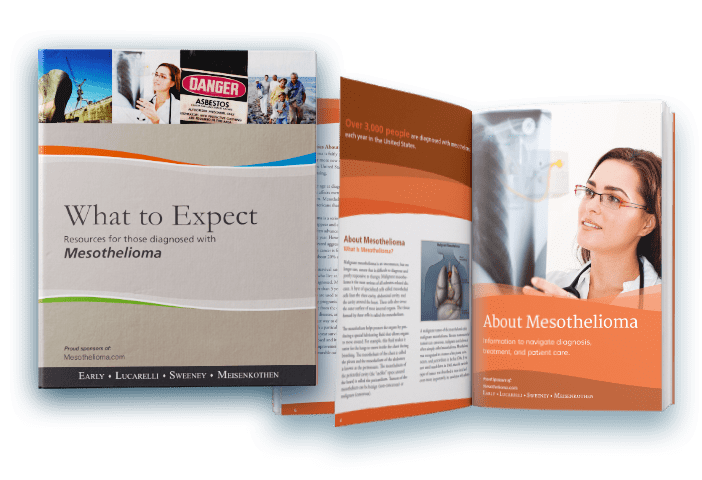
Learn About Yervoy for Mesothelioma in Our Free Guide
What Is Yervoy (Ipilimumab)?
Yervoy® is an immunotherapy drug manufactured by Bristol-Myers Squibb. The generic name for Yervoy is ipilimumab. Yervoy is a monoclonal antibody. It belongs to a class of drugs called immune checkpoint inhibitors.
- Generic name: Ipilimumab
- Brand name: Yervoy
- Administration: Intravenous
- Often combined with: Opdivo®
- Types of mesothelioma treated: Biphasic mesothelioma, epithelioid mesothelioma, peritoneal mesothelioma, pleural mesothelioma, sarcomatoid mesothelioma
- Manufacturer: Bristol-Myers Squibb Company
- FDA approval: The combination of Yervoy and Opdivo is FDA-approved as a first-line treatment for metastatic non-small cell lung cancer and unresectable pleural mesothelioma.
Cancer cells are adept at hiding from the immune system. Checkpoint inhibitors block a process cancer cells use to evade the immune system. This process involves interaction between T cells (a type of white blood cell) and cancer cells. When a checkpoint inhibitor blocks the process, the immune system can recognize and attack cancer cells.
In 2011, the U.S. Food and Drug Administration (FDA) approved Yervoy as a treatment for melanoma. Yervoy was the first drug to significantly improve survival for patients with inoperable metastatic melanoma.
Melanoma shares certain characteristics with mesothelioma. Both cancers have been associated with a BAP1 gene mutation. This mutation increases the risk of a wide range of tumors. This includes benign and malignant diseases of the skin, eyes, lining of the chest wall and outer layer of internal organs.
These similarities may have motivated researchers to investigate Yervoy as a potential treatment option for mesothelioma.


How Does Yervoy (Ipilimumab) Treat Mesothelioma?
Yervoy is an immunotherapy drug that allows the immune system to attack mesothelioma cancer cells.
Yervoy is a checkpoint inhibitor. This type of therapy helps the immune system recognize cancer cells. Cancer cells may mimic healthy cells in the body, making it difficult for the immune system to recognize them. Yervoy works by hiding a protein that prevents immune cell response to cancer cells. By hiding this protein, Yervoy allows immune cells, or T cells, to recognize and attack mesothelioma cells.
Researchers have been testing Yervoy in clinical trials for mesothelioma. The investigations have observed the efficacy of Yervoy with different treatment combinations. For instance, a clinical trial is testing the efficacy of Yervoy with and without Opdivo (nivolumab) before surgery.
Clinical trials have tested the combination of Yervoy and Opdivo for mesothelioma. The promising results of these trials led to FDA approval of the combination as a mesothelioma treatment option.
Yervoy (Ipilimumab) and Opdivo for Pleural Mesothelioma
Opdivo, also known as nivolumab, is an immunotherapy drug. Like Yervoy, it is an immune checkpoint inhibitor. Researchers have tested the safety and efficacy of Yervoy and Opdivo for mesothelioma.
On October 2, 2020, the FDA approved the use of Yervoy and Opdivo as a first-line therapy for unresectable (inoperable) pleural mesothelioma. This was the first new FDA approval for a mesothelioma drug or drug combination in 16 years.
The approval came after promising results in clinical trials that showed an overall survival benefit. The CheckMate 743 clinical trial studied 605 pleural mesothelioma patients. Those treated with the immunotherapy combination had a median survival of 18.1 months. Patients in the study treated with chemotherapy had a median survival of 14.1 months.
Apart from improving survival, Opdivo and Yervoy offered quality of life (QOL) benefits. Patients who received the drug pair reported improvement in symptoms over time. In the same period, symptoms for the chemotherapy patients got worse.
Overall, Opdivo and Yervoy improved survival, symptoms and QOL compared to chemotherapy. These drugs have already benefited some mesothelioma patients and may impact even more in the future. Experts now say the combination of Opdivo and Yervoy is the preferred systemic treatment for inoperable pleural mesothelioma.
Yervoy (Ipilimumab) and Opdivo for Asbestos-Related Lung Cancer
Exposure to asbestos can cause small cell lung cancer and non-small cell lung cancer (NSCLC).
The FDA has approved the use of Opdivo plus Yervoy as a first-line treatment for metastatic NSCLC. The FDA considered efficacy data from the CheckMate 227 clinical trial when making their decision.
In the study, patients with NSCLC were treated with one of the following:
- Chemotherapy
- Opdivo and Yervoy
Patients treated with Opdivo and Yervoy achieved a median survival of 17.1 months. Patients treated with chemotherapy achieved a median survival of 13.9 months. Researchers concluded Opdivo and Yervoy improved survival for NSCLC patients.
 Did You Know?
Some treatments for mesothelioma are not covered by insurance.
Treatment for mesothelioma can become a financial burden.
Did You Know?
Some treatments for mesothelioma are not covered by insurance.
Treatment for mesothelioma can become a financial burden.
What to Expect During Treatment
Doctors administer Yervoy through an IV (intravenously) in a clinical setting, such as a cancer center. Patients are unlikely to receive Yervoy alone, as it is approved in combination with Opdivo. As a result, the following procedure is what patients can expect for this immunotherapy duo.
Treatment generally takes between 30 and 60 minutes per session. The number of sessions may vary depending on an individual’s treatment plan.
The recommended dosage of each drug for pleural mesothelioma is:
- 360 mg of Opdivo every three weeks
- 1 mg/kg of Yervoy every six weeks
Patients should receive Opdivo first, followed by a dose of Yervoy on the same day. In some cases, the immunotherapy drugs may be followed by a round of chemotherapy. Common chemotherapy drugs include Alimta® (pemetrexed), carboplatin and cisplatin.
This course can continue for up to two years. Mesothelioma doctors may shorten treatment if the disease progresses. They may also end treatment if the patient experiences unacceptable toxicity levels.
Preparing for Your Appointment
Patients can prepare for Yervoy and other immunotherapies by incorporating various health-focused practices. This may help strengthen the immune system so the body can focus on fighting cancer cells. Patients should discuss their full medical history with their mesothelioma doctor beforehand. This includes situations such as pregnancy, liver disease and organ transplants.
Ways to support the body throughout Yervoy and Opdivo immunotherapy treatment include:
- Avoiding crowded places where illness spreads more easily
- Continuing to maintain as normal a routine as possible, including light exercise
- Drinking plenty of fluids
- Eating small meals or snacks often
- Maintaining a balanced, healthful diet with an emphasis on protein, fruits and vegetables
- Maintaining good oral hygiene
- Managing stress levels
- Sleeping well, at least seven hours of sleep per night
- Washing hands often if going out and supplementing with hand sanitizer when needed
Practices such as mild exercise, good sleep and lowering stress can all help support the immune system. Keeping the immune system strong during any cancer treatment may improve patients’ overall experience.
Patients can expect follow-up care at regular intervals after receiving immunotherapy treatment. Depending on various factors, follow-up care may be over the phone or in person. Patients’ medical teams will determine the frequency and requirements of each appointment.
Follow-up care includes laboratory tests, such as blood tests and infectious disease screening. Patients’ medical providers may also check certain items at recommended intervals. For example, thyroid functional studies should be performed every 6 – 8 weeks.
Yervoy (Ipilimumab) Benefits
Yervoy and Opdivo have demonstrated several benefits in mesothelioma studies, including:
- Better quality of life
- Improved life expectancy
- Improved symptoms
Researchers observed these benefits in clinical trials, including CheckMate 743 and the MAPS2 trial.
In May 2022, researchers published encouraging findings from the CheckMate 743 trial. Previous research has shown improved survival results from this combination. The newest CheckMate 743 update also reports improved patient-reported outcomes. This means the immunotherapy drugs improved mesothelioma patients’ quality of life in addition to improving survival.
The median survival results were:
- Yervoy and Opdivo: 18.1 months
- Chemotherapy: 14.1 months
The MAPS2 trial investigated the effects of Opdivo alone or administered with Yervoy in pleural mesothelioma patients. Study participants had already been treated with chemotherapy before enrolling. A total of 125 patients were treated. Of these, 63 patients received only Opdivo, while 62 patients received Opdivo and Yervoy.
The median survival results were:
- Yervoy and Opdivo: 15.9 months
- Opdivo: 11.9 months
The INITIATE study investigated the use of Yervoy and Opdivo in 35 malignant pleural mesothelioma patients. These patients had all experienced mesothelioma progression after chemotherapy treatment. They received treatment for up to two years or until side effects prevented further treatment.
As of the last published update, the median survival had not been reached. Researchers projected the following median survival result:
- Yervoy and Opdivo: 12.7 months or more
At their three-month follow-ups, 68% of patients experienced disease control. This means their tumors either stopped growing or shrank.
Median survival for pleural mesothelioma is about 14 months from diagnosis. Two of the trials above involved patients surviving substantially longer with Yervoy and Opdivo. Thus, clinical trials involving Yervoy for pleural mesothelioma have demonstrated a survival benefit.
Compared to chemotherapy, there were notable improvements in:
- Mesothelioma symptoms
- Overall health
- Time before health deteriorated
Patients may also experience other secondary benefits. For example, checkpoint inhibitor treatment doesn’t need any pretreatment preparation. Hydration and other measures are sometimes required before chemotherapy treatment.
Additionally, checkpoint inhibitors don’t need patients to have surgically implanted ports. This is in contrast to some chemotherapies.
Some patients may stop immunotherapy treatment due to adverse events. In these cases, patients don’t seem to lose treatment benefits or the effect on survival.
Researchers continue to study the benefits of Yervoy for mesothelioma.
Questions About Yervoy for Mesothelioma? Ask experienced mesothelioma advocate Jennifer Lucarelli Ask a Question
Yervoy (Ipilimumab) Side Effects
As with any medical treatment, the use of Yervoy for small cell lung cancer, mesothelioma and other malignancies involves a number of potential side effects.
Yervoy side effects vary with each patient. Patients may experience minimal or short-term side effects, or the side effects may be serious or long-term. Individuals treated with Opdivo and Yervoy may experience different side effects than patients treated with Yervoy alone.
Patients should tell their doctor about any side effects they experience during treatment. Their healthcare team may be able to adjust dosage or help manage these side effects.
- Constipation
- Cough
- Decreased appetite
- Diarrhea
- Difficulty breathing (dyspnea)
- Dizziness
- Fatigue
- Fever
- Hair loss
- Headache
- Itchy skin
- Liver inflammation
- Nausea
- Pain
- Pneumonia
- Respiratory infection
- Skin rash
- Swelling
- Thyroid dysfunction
- Vomiting
Note: These side effects were experienced by mesothelioma or lung cancer patients receiving Yervoy in combination with one or more other therapies.
Before beginning an Opdivo and Yervoy regimen, individuals should discuss all potential side effects with their physician.
Managing Side Effects
Immune checkpoint inhibitors, such as Yervoy, may cause inflammation-based side effects. In the CheckMate743 trial, serious adverse reactions occurred in 54% of mesothelioma patients treated with Yervoy and Opdivo. Study authors said most of these reactions were “manageable and resolved with steroids or supportive treatment.”
Often, doctors can treat side effects by pausing treatment and/or using supportive therapy. Doctors may also assess various aspects that may potentially influence treatment side effects. These aspects include environmental, dietary, lifestyle, microbial and pharmacological factors.
Management of side effects varies on a case-by-case basis. For example, doctors may try reducing side effects with steroids or immunosuppressive drugs. Some patients may also be considering other methods, such as herbal medicine and dietary supplements.
Patients should speak to their medical team before making any changes. Some methods may not work well with their treatment plan.
Who Is Eligible for Yervoy (Ipilimumab)?
Patients with unresectable pleural mesothelioma may be eligible for the combination treatment of Yervoy and Opdivo. Yervoy is also used to treat other types of cancer. Types include lung cancer, melanoma, renal cell carcinoma, colorectal cancer and liver cancer.
Patients who are interested in Yervoy for mesothelioma and asbestos-related diseases should review all treatment options, including the potential risks and benefits, with a licensed physician.
There are various active clinical trials involving Yervoy and cancer. Trials may be available to patients with pleural mesothelioma or peritoneal mesothelioma. Each trial has unique eligibility requirements. Patients interested in joining a Yervoy clinical trial should consult with their doctor.
Clinical Trials and Studies on Yervoy (Ipilimumab) for Pleural and Peritoneal Mesothelioma
The Yervoy and Opdivo combination therapy is being studied for use as a standardized treatment for mesothelioma patients. Several clinical trials are currently investigating these drugs in combination with other cancer treatments.
- Yervoy and Opdivo + a Novel Antibody: Researchers are investigating the combination of a novel antibody (INCAGN01876) with Yervoy, Opdivo or Yervoy and Opdivo. The drugs will be administered to patients with advanced cancers, including mesothelioma.
- Yervoy and Opdivo + a Cancer Vaccine: Researchers will administer Yervoy and Opdivo with a cancer vaccine. This combination treatment will be given to patients with pleural mesothelioma.
- Yervoy and Opdivo Before Surgery: Researchers will administer Yervoy and Opdivo before the patients undergo surgery for pleural mesothelioma. Patients will also receive maintenance Opdivo for one year following surgery.
- Yervoy and Opdivo Before and After Surgery: A new mesothelioma clinical trial is currently enrolling peritoneal patients. Researchers will combine Yervoy and Opdivo both before and after surgery.
Ongoing research into Yervoy in combination with other treatments may lead to improved survival for mesothelioma patients.
Sources
All American Hospice. Immunotherapy. October 2020.
Baas P, Scherpereel A, et al. First-line nivolumab plus ipilimumab in unresectable malignant pleural mesothelioma (CheckMate 743): a multicentre, randomised, open-label, phase 3 trial. Lancet. January 2021;397(10272):375-386. doi: 10.1016/S0140-6736(20)32714-8
Bristol-Myers Squibb. FDA Approves YERVOY™ (ipilimumab) for the Treatment of Patients with Newly Diagnosed or Previously-Treated Unresectable or Metastatic Melanoma, the Deadliest Form of Skin Cancer.
ClinicalTrials.gov. A Study of Immunotherapy Drugs Nivolumab and Ipilimumab in Patients w/Resectable Malignant Peritoneal Mesothelioma.
ClinicalTrials.gov. Neoadjuvant Immune Checkpoint Blockade in Resectable Malignant Pleural Mesothelioma.
ClinicalTrials.gov. Phase 3 Trial in Subjects With Metastatic Melanoma Comparing 3 mg/kg Ipilimumab Versus 10 mg/kg Ipilimumab.
Disselhorst M, Quispel-Janssen J, et al. Ipilimumab and nivolumab in the treatment of recurrent malignant pleural mesothelioma (INITIATE): results of a prospective, single-arm, phase 2 trial. The Lancet Respiratory Medicine. January 2019;7(3):260-270. doi: 10.1016/S2213-2600(18)30420-X
Ghirardelli P, Franceschini D, et al. Salvage radiotherapy for oligo-progressive malignant pleural mesothelioma. Lung Cancer. February 2021;152:1-6. doi: 10.1016/j.lungcan.2020.11.022
Hellmann MD, Paz-Ares L, et al. Nivolumab plus Ipilimumab in Advanced Non-Small-Cell Lung Cancer. The New England Journal of Medicine. November 2019;381(21):2020-2031. doi: 10.1056/NEJMoa1910231
McCormack V, Peto J, et al. Estimating the asbestos-related lung cancer burden from mesothelioma mortality. British Journal of Cancer. January 2012;106(3):575-584. doi: 10.1038/bjc.2011.563
MedlinePlus. BAP1 tumor predisposition syndrome. Updated January 2017.
Memorial Sloan Kettering Cancer Center. Immune Checkpoint Inhibitor Cancer Treatment.
Morgado M, Plácido A, et al. Management of the Adverse Effects of Immune Checkpoint Inhibitors. Vaccines. December 2020;8(4):575. doi: 10.3390/vaccines8040575
National Cancer Institute. Clinical Trials Using Ipilimumab.
National Cancer Institute. Immune Checkpoint Inhibitors. Updated April 2022.
National Cancer Institute. Ipilimumab. Updated January 2022.
National Comprehensive Cancer Network Foundation. Malignant Pleural Mesothelioma.
National Health Service. Preparing for your cancer immunotherapy treatment.
Scherpereel A, Antonia S, et al. First-line nivolumab plus ipilimumab versus chemotherapy for the treatment of unresectable malignant pleural mesothelioma: patient-reported outcomes in CheckMate 743. Lung Cancer. May 2022;167:8-16. doi: 10.1016/j.lungcan.2022.03.012
Scherpereel A, Mazieres J, et al. Nivolumab or nivolumab plus ipilimumab in patients with relapsed malignant pleural mesothelioma (IFCT-1501 MAPS2): a multicentre, open-label, randomised, non-comparative, phase 2 trial. The Lancet Oncology. January 2019;20(2):239-253. doi: 10.1016/S1470-2045(18)30765-4
Szalai E, Wells J, et al. Correlation of BAP1 immunoreactivity with metastasis in uveal melanoma. Investigative Ophthalmology & Visual Science. June 2017;58(8):2503.
Uguen M, Dewitte JD, et al. Asbestos-related lung cancers are rarely associated with ALK, ROS1 and RET rearrangements. European Respiratory Journal. March 2018;51(3):1702605. doi: 10.1183/13993003.02605-2017
Uguen M, Dewitte JD, et al. Asbestos-related lung cancers: A retrospective clinical and pathological study. Molecular and Clinical Oncology. July 2017;7(1):135-139. doi: 10.3892/mco.2017.1277
U.S. Food and Drug Administration. FDA approves nivolumab and ipilimumab for unresectable malignant pleural mesothelioma. October 2020.
U.S. Food and Drug Administration. Highlights of Prescribing Information: Yervoy® (Ipilimumab) Injection, for Intravenous Use. Updated May 2020.
Zhang L and Yuhan L. Follow-up Care for Patients Receiving Immune Checkpoint Inhibitors. Asia-Pacific Journal of Oncology Nursing. November/December 2021;8(6):596-603.
Free Mesothelioma Treatment Guide
Katy Moncivais, Ph.D., has more than 15 years of experience as a medical communicator. As the Medical Editor at Mesothelioma.com, she ensures our pages and posts present accurate, helpful information.

 Medically
Reviewed by
Francis Perry Wilson, MD
Senior Medical Advisor
Medically
Reviewed by
Francis Perry Wilson, MD
Senior Medical Advisor
Dr. Francis Perry Wilson is the Director of the Clinical and Translational Research Accelerator at the Yale University School of Medicine. He specializes in nephrology and clinical research.