Vitamins and Supplements for Mesothelioma: 4 Things to Know
Written by Melanie Radliff on November 5, 2025
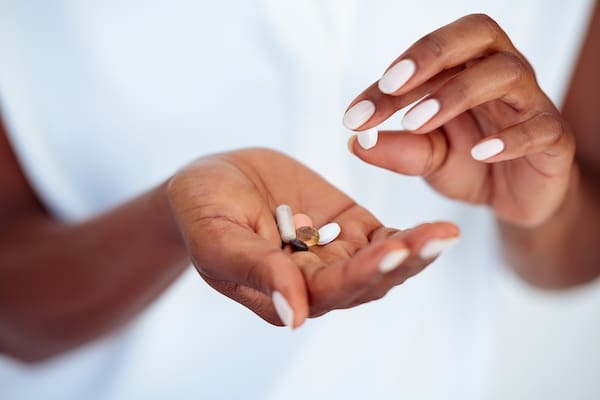
If you have mesothelioma, you may wonder if vitamins or supplements can help during treatment. Many cancer patients use them to support nutrition, ease side effects or boost their immune system.
Supplements can’t cure mesothelioma or any other cancer. They may offer some benefits, but they can also interfere with chemotherapy, radiation or other treatments. You should always check with your doctor before adding any vitamin, mineral or herbal product to your routine.
In the meantime, here are a few key things to know about supplements and mesothelioma.
1: Most Cancer Survivors Use Some Type of Supplement
Research shows that more than 70% of cancer survivors use supplements. Some people started taking them before their diagnosis, while others began during treatment. Experts don’t yet know if vitamins or minerals help extend survival. But data shows that supplements may reduce side effects from certain treatments.
Common Supplements for Cancer Survivors
In one study, about half of cancer survivors took the following supplements:
- Calcium in the right doses can support bone, muscle and nerve health.
- Folic acid (vitamin B-9) may help reduce side effects of certain chemo drugs like pemetrexed.
- Multivitamins can help fill nutrient gaps when appetite is poor.
- Vitamin B-12 supports blood and nerve health.
- Vitamin C helps the body defend itself. It supports immune function by protecting cells.
- Vitamin D promotes bone strength and calcium absorption. It may also help with inflammation.
- Vitamin E helps protect cells from damage. It may also have anti-cancer effects.
Cancer patients took the supplements above, but that doesn’t mean they’re right for you. Some of these vitamins and minerals may interfere with certain cancer treatments. Others can build to dangerous levels in your body. Doctors may recommend regular blood testing to keep this from happening.
If you’re considering supplements, be sure to discuss them with your mesothelioma doctor first. This can help ensure your choices are beneficial to your treatment plan.
2: Cancer Patients Can Easily Take Too Much of a Supplement
Many people take supplements without first talking to their doctors. This can cause people to take dangerous amounts by accident. In one study, about 10% of cancer survivors were taking too much calcium. This put them at risk of serious side effects. The same risk applies to other supplements as well.
According to experts, high amounts of these supplements can cause serious health problems:
- Calcium: Too much calcium can cause nausea, vomiting and kidney problems. In serious cases, it can trigger confusion and heart issues.
- Iron: People who take excess iron may have nausea, vomiting or diarrhea. Serious cases can lead to low blood pressure, liver failure, coma and even death.
- Vitamin A: High levels of Vitamin A can cause nausea, vomiting, dizziness and blurred vision.
- Vitamin D: Too much Vitamin D can lead to high levels of calcium in your blood. This can cause the same symptoms as a calcium overdose.
You can take simple steps to avoid taking too much of any supplement. Start by talking with your oncologist. Together, you can figure out where you need extra nutrition. Experts also say you should check labels and Daily Values (DV). If your diet already provides 100% of a vitamin or mineral, you probably don’t need the supplement version.
3: Some Supplements May Interfere With Cancer Treatment
Many patients also explore herbs or natural remedies. While some may ease symptoms, others can interfere with treatment. Here are some herbal supplements that cancer patients might consider with caution:
- Garlic may support heart health and show possible anti-cancer effects. But garlic supplements can interfere with chemotherapy and increase bleeding risks.
- Ginger may ease nausea and is generally safe in food or tea. High doses can interact with blood thinners and other medications.
- Ginseng may reduce fatigue in some cancer patients, but more studies are needed to confirm its safety. It may also increase clotting and affect blood sugar levels.
- Green tea contains antioxidants that may help fight cancer, but the evidence is mixed. High doses or extracts may interfere with treatment.
- Medicinal marijuana may ease nausea, pain or appetite loss for some patients. But it can also cause side effects. In the U.S., medicinal marijuana laws vary by state.
- Turmeric (curcumin) can reduce inflammation and help with treatment side effects. But high doses may also interfere with chemotherapy.
Remember that “natural” doesn’t always mean safe. Patients should give their doctors a full list of any herbal or alternative supplements they use. Your doctor may advise you to stop taking these supplements during cancer treatment.
4: Supplements Are Loosely Regulated and May Pose Risks
Dietary supplements include vitamins, minerals, herbs and other products. They come in many forms, such as pills, powders or teas. Unlike prescription drugs, the U.S. Food and Drug Administration (FDA) doesn’t strictly regulate supplements. This means quality, safety and how well they work can vary from brand to brand.
These tips may help you choose higher- quality supplements:
- Check expiration dates. Always avoid expired products. Supplements can lose their strength and become unsafe over time.
- Look for third-party testing. Choose products that have been tested by independent companies that publicly shared the results.
- Stick to safe amounts. Use products with no more than 100% of the DV unless your doctor says otherwise.
- Talk to your team. Always review your supplement list with your care team before starting something new.
What Does This Mean for Mesothelioma Patients?
Supplements may help with nutrition or ease certain side effects, but they can’t treat mesothelioma. Some products can also cause harm or interfere with treatment.
Your care team can help you use supplements safely. You may want to bring a complete list of your medications, vitamins and supplements to every appointment. These questions can help guide a conversation with your doctor or oncology dietitian:
- Are my supplements safe to take during chemo or radiation?
- Are there specific herbs, vitamins or doses I should avoid?
- Can any natural supplements help with my treatment side effects?
- Do I need blood tests to check my vitamin or mineral levels?
- How do I find the right balance between food and supplements?


Sources
American Cancer Society. Are Dietary Supplements Safe?
City of Hope. Natural supplements for cancer patients to avoid.
City of Hope. Some nutritional supplements may help cancer patients, but use them with caution.
Du M, Luo H, Blumberg JB, Rogers G, Chen F, Ruan M, et al. Dietary supplement use among adult cancer survivors in the united states. J Nutr. 2020 Jun 1;150(6):1499–508.
Harvard Health Publishing. Good intentions, perilous results.
Henry Ford Health. Supplement Toxicity: What It Is And How To Avoid It.
Mayo Clinic. Vitamins and Minerals: What You Should Know About Essential Nutrients.
Mount Sinai. Multiple vitamin overdose.
National Cancer Institute. Cancer Therapy Interactions With Foods and Dietary Supplements (PDQ®)–Health Professional Version.
Talib WH, Ahmed Jum’AH DA, Attallah ZS, Jallad MS, Al Kury LT, Hadi RW, et al. Role of vitamins A, C, D, E in cancer prevention and therapy: therapeutic potentials and mechanisms of action. Front Nutr. 2023;10:1281879.
Free Mesothelioma Treatment Guide

Melanie Radliff writes content that aims to support mesothelioma patients’ physical and emotional well-being. She specializes in topics like mind-body practices, self-care, lifestyle and nutrition.