Northeastern University Delays Construction After Asbestos Discovery
Written by Tara Strand on September 9, 2026
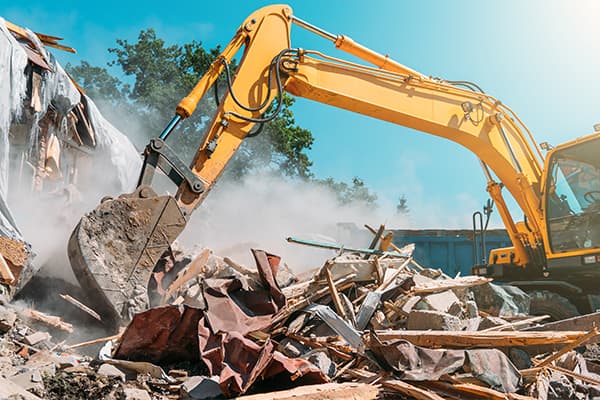
Northeastern University has delayed construction of a new athletics and recreation facility after construction crews encountered asbestos-containing materials. The crews found these materials during their work at the former Matthews Arena site in Boston, Massachusetts.
The discovery prompted officials to suspend work while they address the asbestos-containing material. The project is currently expected to be completed in the first half of 2029, about 9 months later than originally planned. Beyond the impact on opening, the discovery may have other far-reaching impacts.
Engineers Found Traces of Asbestos During Site Inspection
In 2024, an environmental engineering company surveyed the location. Its team found concentrations of asbestos, lead and other toxic chemicals in the soil around the building. Following state requirements, remediation plans call for removing 5,000 cubic yards of soil. The arena was already slated for demolition because of longstanding structural issues, and demolition officially began in February 2026.
School officials believe the asbestos-containing materials were there from the arena's initial construction. Originally opened in 1910, the building had a seating capacity of 5,066. But a fire in 1918 destroyed it.
Builders completed the reconstructed arena at the same location in 1921. At the time, asbestos use was becoming more common in construction.
How the University Responded to the Asbestos Discovery
Before work resumes, officials will implement safety protocols at the construction site. These include:
- Air quality monitoring of the surrounding area
- Extra training for the construction crews
- Personal protective equipment for the ground crews
University officials said these protocols will continue throughout the excavation and foundation phases.
Universities have made headlines recently over asbestos, highlighting the reality of older construction. A 2024 report in The Huntington News stated that Northeastern presumed asbestos was present in four older campus buildings until testing proved otherwise. The buildings were Holmes, Lake, Meserve and Nightingale halls. Meserve, the oldest of the four, was built in 1893.
Many colleges follow asbestos action plans that include directions for inspections. Northeastern’s published fact sheet explains the university's view on asbestos. It notes that university officials assume asbestos is in any location until proven otherwise.
Northeastern has said it sets aside about $800,000 each year for licensed contractors to remove or encapsulate asbestos. These professionals either remove or encapsulate, depending on the situation.
How Past Asbestos Use Affects Future Construction
Legacy asbestos can present challenges when older buildings are renovated or demolished. These types of problems may occur as colleges and schools remodel or demolish older buildings. An Environmental Protection Agency (EPA) survey in 1984 estimated roughly 35,000 schools contained friable asbestos materials across the United States.
As construction continues, safety measures remain a critical priority for university officials. Prioritizing air monitoring, protective equipment and worker training helps protect workers and the surrounding campus community from harmful exposure during the remediation process.
While delays like this can be disruptive, they underscore the importance of identifying and managing legacy materials in aging structures.


Sources
Northeastern University - Northeastern Asbestos FAQ; 8/31/2026
Banker & Tradesman - Construction of New Arena at Northeastern Halted; 8/26/2026
The Huntington News - Asbestos discovery delays construction of new athletic facility; 8/25/2026
WCAX 3 - Boston’s Matthews Arena to close after 100-plus years of hockey, hoops and even the Sultan of Swat; 12/12/2025
Free Mesothelioma Treatment Guide


Tara Strand specializes in writing content about mesothelioma and asbestos. She focuses on topics like mesothelioma awareness, research, treatment, asbestos trust funds and other advocacy efforts.