Dietitians and Other Nutrition Resources for Mesothelioma Cancer Patients

Dietitians are the best resource for developing individualized mesothelioma diet and nutrition plans. In addition to dietitians, other resources such as recipe books and health apps may help patients manage care. Diet and nutrition are important parts of a patient’s treatment and recovery.
Learn About Nutrition for Mesothelioma in Our Free Guide

How a Dietitian Can Help Mesothelioma Patients
A dietitian is the main resource for a patient’s mesothelioma diet and nutrition needs. They can provide help to patients undergoing mesothelioma treatment and mesothelioma survivors. They may recommend changes in diet to ease treatment side effects. Dietary changes can also help patients maintain a healthy weight and find their appetite, among other things. Diet recommendations may include eating nutrient-rich fruits and vegetables and high-protein, high-calorie foods.
Registered dietitians (RDs) are an important part of a cancer patient’s care team. A dietitian can work with and provide support to other team members. Many dietitians work at hospitals or cancer centers where patients receive treatment. This helps patients with mesothelioma cancer receive comprehensive care.
A dietitian will have scientific knowledge about diets and nutrition for cancer patients. They can recommend the best foods for a mesothelioma patient’s health. They can also provide information about which foods to avoid.
- Calculate protein and energy needs: A dietitian can calculate whether patients are getting enough protein and calories. They can then recommend foods to address any deficiencies.
- Educate about food safety: Mesothelioma cancer and treatment can weaken the body’s immune system. This can make patients more susceptible to foodborne illness. A dietitian can explain food-safety measures to help patients avoid foodborne illness.
- Help maintain a healthy weight: Patients may experience weight loss due to treatments such as chemotherapy. A dietitian can provide recommendations to help get patients up to a healthy weight.
- Help navigate dietary limitations: Patients may have allergies, preferences or limited access to certain foods. They may also experience side effects caused by changing their diet. A dietitian can recommend substitutes to address these issues while maintaining good nutrition.
- Provide meal-planning advice to caregivers: A dietitian is a resource for caregivers as well as patients. A dietitian can work with caregivers to plan meals for patients.
- Provide nutritional advice to navigate treatment side effects: Dietary adjustments can help patients manage some mesothelioma treatment side effects. For example, certain foods may help maintain a healthy metabolism and manage malnutrition.
- Provide information about vitamins and supplements: A patient may look to vitamins and supplements for nutrients. A dietitian can provide fact-based information about their benefits.
Cancer dietitians can work with patients on their nutrition during and after mesothelioma treatment. They will provide individualized care based on a specific patient’s needs. They can also answer any questions a patient has about diet and nutrition.
A patient’s dietary and nutritional needs can also change over time. A patient in treatment will likely have different dietary needs from one who is in recovery. A dietitian can help a patient adapt to these changes. A patient should not make changes to their diet before speaking to their dietitian or doctor.

How Mesothelioma Patients Can Find the Right Dietitian
Dietitians are an important part of a mesothelioma patient’s health care team. For example, they can make recommendations that may help a patient ease side effects from treatments. For instance, chemotherapy and radiation can cause nausea and other side effects that dietary changes may help manage.
Mesothelioma doctors know that proper diet and nutrition are important for their patients. They can work with dietitians to help provide comprehensive care.
Hospitals and other medical facilities may have their own inpatient dietitians. A mesothelioma doctor can also provide a patient with a referral. This allows patients to see a dietitian at convenient locations, including:
- A local hospital’s outpatient department
- A local physician’s clinic
- An RD’s practice near the patient’s home
The best dietitian for a person with mesothelioma will have experience working with cancer patients.
Mesothelioma patients may wonder about the difference between a dietitian and a nutritionist. While both deal with nutrition, there are important differences between the two.
- Dietitians are part of a highly regulated profession. An RD has educational and clinical experience related to treating health conditions. They must also receive certification to practice. This makes RDs especially qualified to work with cancer patients.
- Nutritionists are not as regulated as dietitians. Some states allow people without clinical experience or licensing to call themselves nutritionists. Some nutritionists, though, receive certification and have similar qualifications to dietitians. These are called Certified Nutrition Specialists (CNS).
A doctor will likely recommend a mesothelioma patient work with a qualified RD or CNS. They can provide the best individualized care for cancer patients’ needs.
Other Nutrition Resources for Mesothelioma Cancer Patients
Mesothelioma patients may also seek supplemental resources to manage their diet and nutrition. These resources can help patients and their loved ones by providing extra support. They can help answer patients’ questions, keep them organized and provide inspiration.
Access Printable List of Questions for Your Dietitian HereA doctor may provide a referral to a dietitian. These directories may also help mesothelioma patients find qualified dietitians close to them:
These apps can help manage, organize and track elements of cancer care, including diet and nutrition:
These mesothelioma books provide information on nutrition for cancer patients. Some also offer recipe ideas for healthy eating:
- American Cancer Society’s What to Eat During Cancer Treatment cookbook
- Dana-Farber Cancer Institute’s Recommended Nutrition Books
- Jean LaMantia, RD’s The Essential Cancer Treatment Nutrition Guide and Cookbook
These websites provide recipes that cater to cancer patients in treatment and survivors. They focus on achieving better health through nutritious cooking:
- Julie Lanford, RD’s Cancer Dietitian blog
- Fred Hutchinson Cancer Research Center’s Cook for Your Life
- Stanford Health Care’s Cancer Fighting Recipes for Patients
Patients should still consult their dietitian before making any dietary changes. A dietitian is a cancer patient’s best resource for all their dietary and nutritional needs. A patient’s doctor may also be able to recommend additional resources.
Sources
American Nutrition Association. State Regulation of Nutrition Practice.
Centers for Disease Control and Prevention. Food Poisoning Symptoms. Updated March 2021.
Memorial Sloan Kettering Cancer Center. Eating Well During Your Cancer Treatment. Patient & Caregiver Education. Updated May 2020.
Public Health Degrees. Dietitian vs. Nutritionist: Degree and Careers Comparison. Updated September 2021.
Public Health Degrees. How to Become a Registered Dietitian (RD). Updated September 2021.
United States Bureau of Labor Statistics. Occupational Employment and Wages, May 2020: 29-1031 Dietitians and Nutritionists. Updated March 2021.
Yale Cancer Center. Nutrition Resources.
Free Mesothelioma Treatment Guide
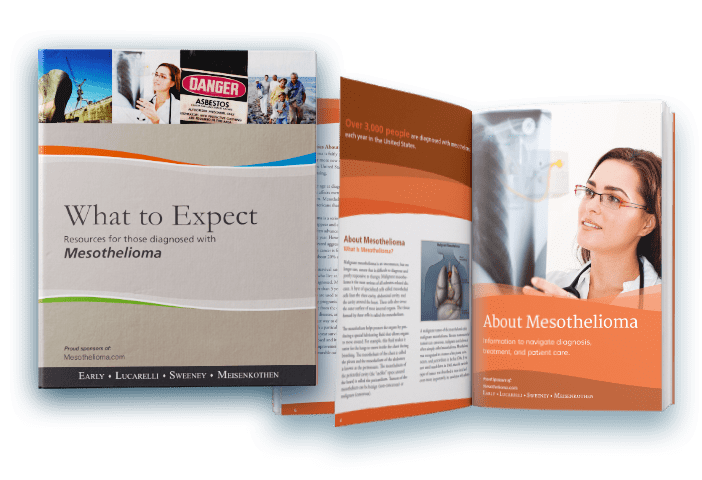
Katy Moncivais, Ph.D., has more than 15 years of experience as a medical communicator. As the Medical Editor at Mesothelioma.com, she ensures our pages and posts present accurate, helpful information.