Mesothelioma Stages

Mesothelioma has four main stages.
- Stage 1: Tumors are in the lining of one lung.
- Stage 2: Tumors spread to nearby organs.
- Stage 3: Tumors spread to lymph nodes and other tissues.
- Stage 4: Tumors spread distantly.
Early stages may have more options, but treatment can improve prognosis for all stages.
Learn More About Mesothelioma Staging in Our Free Guide Learn About Mesothelioma Staging in Our Free Guide
What Are the Stages of Mesothelioma Cancer?
Doctors classify malignant mesothelioma into four main stages. Stages of mesothelioma indicate how far cancerous tumors have progressed in the body. At the earliest stage, cancer is localized to one area. Later stages reflect how far the cancer has spread by the time of diagnosis.
Doctors can determine during mesothelioma diagnosis whether the cancer is stage 1, 2, 3 or 4. Stage 4 is the most advanced stage of malignant mesothelioma. Patients usually have stage 3 or 4 mesothelioma when diagnosed.
Does Mesothelioma Stage Change Over Time?
Staging does not change as the disease progresses. Doctors usually only assess the stage at diagnosis to help determine the best treatment plan.
You can think of cancer staging as the starting point in a trip. Once the trip is underway, even if road conditions shift, you don't go back and change the starting point. You adjust your route instead.



How Is Pleural Mesothelioma Cancer Staged?
Staging refers to the process of categorizing malignant mesothelioma based on how much cancer is in the patient’s body. The staging process is applied to all types of cancer. Specific staging systems are often developed based on the characteristics of certain cancers. Pleural mesothelioma, which accounts for 80% – 90% of cases, is the only type of mesothelioma with specific staging systems.
Most cancers are categorized into four stages. The four stages of pleural mesothelioma are:
- Stage 1: The tumor is localized to the mesothelial lining and has not spread.
- Stage 2: Cancer has spread to nearby organs, such as the lungs or diaphragm.
- Stage 3: Cancer cells have spread to nearby tissues, lymph nodes or organs.
- Stage 4: Cancer has spread to nearby and distant organs, tissues and lymph nodes.
Cancer staging occurs during the initial diagnosis. Mesothelioma doctors often stage the disease with set characteristics. The American Joint Committee on Cancer’s AJCC Cancer Staging Manual is the most commonly cited.
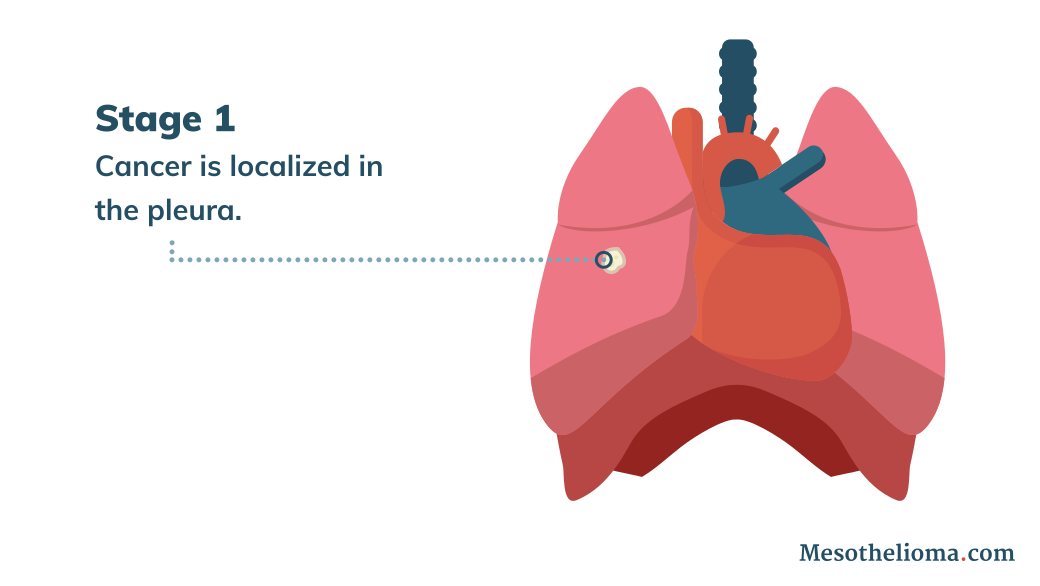
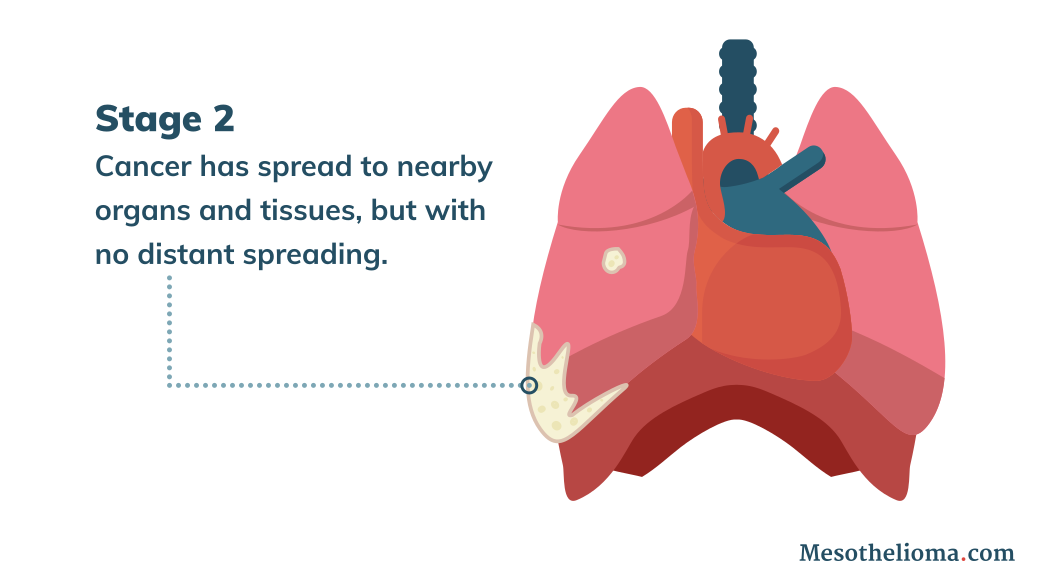
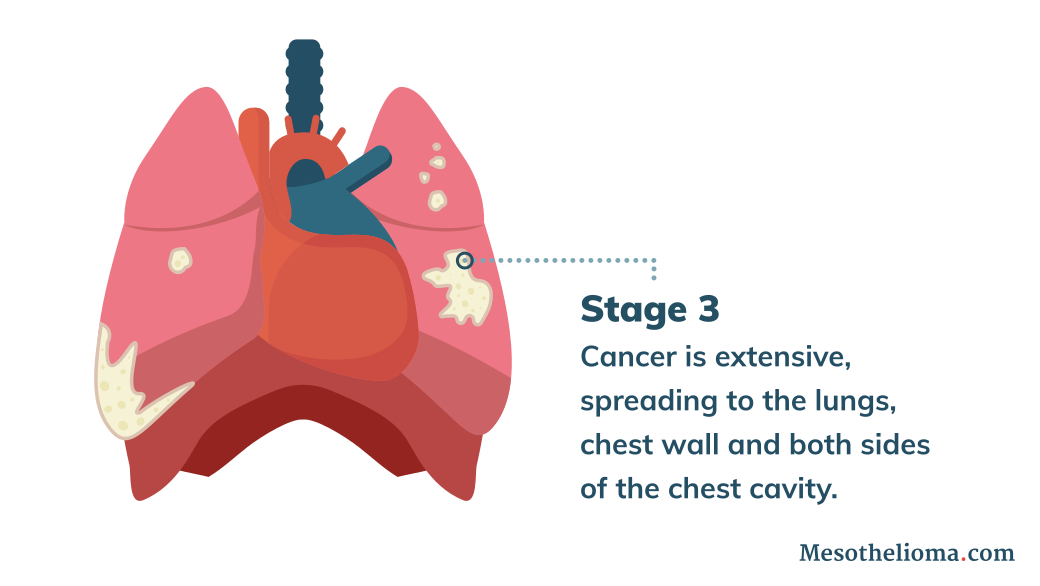
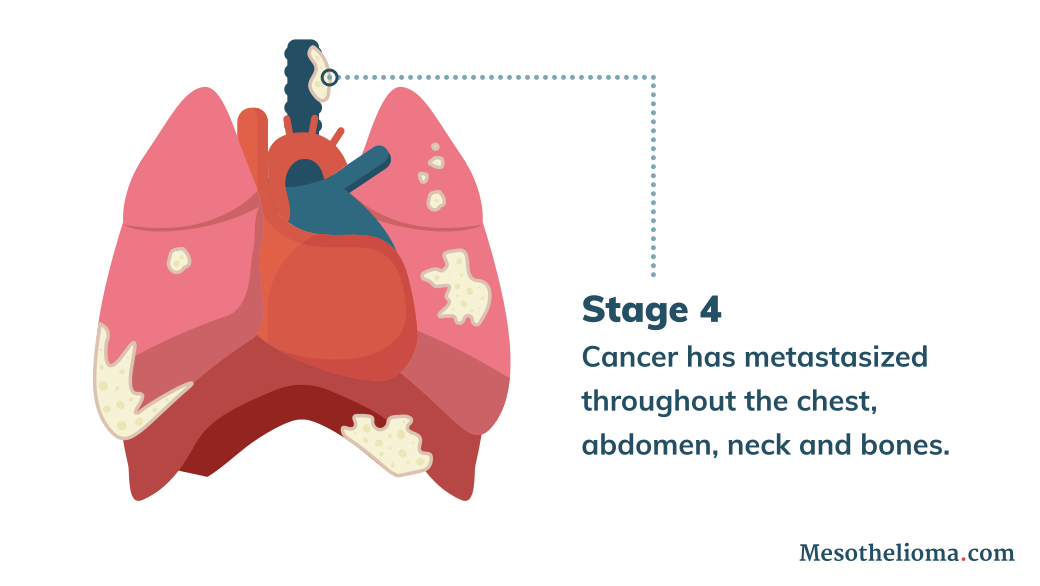
Pleural mesothelioma is the only type of mesothelioma with a unique mesothelioma staging system. Tumor, Nodes and Metastasis (TNM) is the primary mesothelioma staging system. Less frequently used systems include the Butchart and Brigham.
These staging systems generally indicate that earlier stages have better survival. But treatment options have expanded in recent years. Doctors can guide patients through all available therapies and how they may impact life expectancy and quality of life.
TNM Staging System
The TNM staging system is the most commonly used staging system for pleural mesothelioma. It is periodically reviewed and updated according to new mesothelioma research. To classify pleural mesothelioma stage, doctors look at:
- T: Tumor size and extent
- N: Lymph node involvement
- M: Metastasis to other parts of the body
- Stage 1: The cancer is only affecting one layer of the pleura, or lining of the lungs. Mesothelioma may have spread to the pericardium (lining of the heart), diaphragm or lung.
- Stage 2: Mesothelioma has spread to both layers of the pleura but is still localized to one side of the body. Tumors may have spread to nearby lymph nodes.
- Stage 3: Mesothelioma has spread to other tissues or organs, like the chest wall, esophagus or diaphragm. The cancer may have also spread to nearby lymph nodes on both sides of the body. Tumors have not spread to distant parts of the body at this stage.
- Stage 4: Mesothelioma has spread to more distant organs through the bloodstream. The cancer may impact the liver, bones or brain.
The TNM system also breaks down the four stages even further to include stages 1A, 1B, 3A and 3B. This update was intended to make it easier to estimate mesothelioma prognosis. The additional stages can also help doctors choose the most effective treatment options for each patient.
Updates to Pleural Mesothelioma Staging
In January 2025, the TNM staging system was updated to the 9th edition. These edits further refine the measurement of tumor growth and spread. For example, tumor growth along lung fissures may now mark a more advanced stage. If you were diagnosed before 2025, your doctor likely used the 8th edition. What do you need to know?
- The core framework remains the same
- Some revised criteria may affect staging for certain patients
- Most patients' staging will not be impacted
Your doctor can confirm which edition they used and if they should revisit your stage or treatment plan.
Other Pleural Mesothelioma Staging Systems
There are other systems for staging mesothelioma, although medical professionals rarely use them today. Once historically used for staging mesothelioma, these systems have largely fallen out of use:
- The Brigham system: Developed in 1993, focuses on surgical factors and disease spread
- The Butchart system: Introduced in 1976, stages pleural mesothelioma based on tumor location
What Are the Symptoms of Each Stage of Pleural Mesothelioma?
Many mesothelioma symptoms can be present at multiple stages. Some symptoms are more common in earlier stages. Other symptoms may develop in later stages.
Symptoms of Pleural Mesothelioma by Stage
Stage 1 and stage 2 symptoms include chest pain and difficulty breathing. Symptoms of stage 3 and stage 4 include chest pain, difficulty breathing, fatigue and weight loss. All stages may have general symptoms, including coughing up blood, difficulty swallowing, dry cough, fever, night sweats, pleural effusion and pleural plaques.
 Did You Know?
Life expectancy for stage 1 mesothelioma patients is significantly greater than for those in later stages.
Surgery, chemotherapy and radiation can successfully treat stage 1 mesothelioma.
Did You Know?
Life expectancy for stage 1 mesothelioma patients is significantly greater than for those in later stages.
Surgery, chemotherapy and radiation can successfully treat stage 1 mesothelioma.
Peritoneal Mesothelioma and Rare Asbestos Cancer Staging
Peritoneal, pericardial and testicular mesothelioma do not have their own unique staging systems. Doctors see fewer cases of these types of mesothelioma. As a result, they have done less research into staging these types.
Peritoneal Mesothelioma Staging
Doctors may stage peritoneal mesothelioma patients using the Peritoneal Cancer Index (PCI). This staging system classifies the cancer according to tumor size and number. Thirteen regions of the abdomen are analyzed and assigned a score. A higher combined score of these regions means a more extensive cancer.
Some mesothelioma doctors may use a modified version of the TNM system to stage peritoneal mesothelioma. This staging system is not yet widely accepted within the medical community. However, data suggests it may predict patient prognosis more accurately than PCI.
Pericardial and Testicular Mesothelioma Cancer Staging
Because they are rare, pericardial mesothelioma and testicular mesothelioma do not have their own staging systems. There are fewer than 30 pericardial mesothelioma diagnoses in the United States each year. Fewer than 300 cases of testicular mesothelioma have been described in medical literature.
Because these types of mesothelioma are so uncommon, researchers have not developed unique staging systems for them. Doctors may evaluate these with general cancer staging systems.
Staging Other Asbestos Cancers and Conditions
Doctors use the TNM system to stage asbestos lung cancer. Other asbestos cancers, such as laryngeal cancer and ovarian cancer, follow their own staging systems.
Asbestosis is a lung disease caused by asbestos exposure, not a type of cancer. Doctors generally do not use a staging system to assess asbestosis cases. But they may assign it a grade ranging from zero to four, with four being the most severe.
How Mesothelioma Stage Impacts Treatment and Prognosis
Mesothelioma stage plays a key role in treatment options and outlook. Early-stage diagnosis typically allows for more aggressive treatments, with later-stage treatments emphasizing palliative care. Medical advances continue improving the variety of late-stage treatment options.
- Early stage: Usually stages 1 and 2, when cancer is still localized. Patients often have diverse options, including certain surgeries and combination therapies.
- Later stage: Usually stages 3 and 4, when cancer has spread. Treatment generally involves chemotherapy, immunotherapy or both.
A PET CT is a special type of CT scan. It is a critical study to determine how advanced a patient’s mesothelioma is and if the cancer is amenable to surgery.
 Francis Perry Wilson, MD
Doctors also look beyond the stage when building a mesothelioma treatment plan. Other factors like mesothelioma type and cell type are critical when choosing the right therapies.
No matter the stage, patients may also qualify for clinical trials. These studies explore newer, promising treatments like cancer vaccines and gene therapy. Talking with your care team can help you understand the full range of available options.
Stage 1 Mesothelioma Treatment
At this stage, treatment often focuses on removing as much cancer as possible and improving long-term outcomes. Depending on factors like the type of mesothelioma, stage 1 patients may undergo:
- Cytoreductive surgery (CRS)
- Extrapleural pneumonectomy (EPP)
- Heated intraperitoneal chemotherapy (HIPEC)
- Intravenous (IV) chemotherapy
- Pleurectomy/decortication (P/D)
- Radiation therapy
Stage 2 Mesothelioma Treatment
Stage 2 patients typically have several treatment options. Doctors often combine therapies for a more comprehensive approach. Depending on eligibility, stage 2 methods may include:
- Chemotherapy, including heated and IV methods
- Emerging therapies
- Immunotherapy
- Palliative care
- Radiation
- Surgery
Stage 3 Mesothelioma Treatment
Treatment at this stage usually aims to extend survival and manage symptoms. Doctors commonly recommend therapies that target the whole body. Stage 3 treatment plans may include:
- Chemotherapy, including heated and IV methods
- Immunotherapy
- Multimodal therapy
- Palliative care
- Paracentesis
- Pleurocentesis
- Surgery
Stage 4 Mesothelioma Treatment
At stage 4, care is focused on symptom relief, quality of life and extending survival. Treatment plans for stage 4 mesothelioma patients largely focus on systemic treatments. But some patients may still benefit from surgery-based approaches.
- Immunotherapy
- IV chemotherapy
- Palliative care
- Paracentesis
- Pleurocentesis
- Surgery
Late-stage and end-stage mesothelioma are not exactly the same. A diagnosis of stage 4 mesothelioma does not necessarily mean it is end-stage. Your doctor can explain how your diagnosis is classified and what you can do to prepare for next steps.
Ongoing Research for All Mesothelioma Stages
Mesothelioma researchers use clinical trials to investigate new treatment options for early- and late-stage patients. For example, additional developments in immunotherapy continued through 2022, including promising results from new treatment combinations and immunotherapy drugs.
Ongoing clinical trials continue to test new treatments for all stages of mesothelioma.
Questions About Mesothelioma Staging? Ask experienced mesothelioma advocate Jennifer Lucarelli Ask a Question
Common Questions About Mesothelioma Cancer Stages
At what stage is pleural mesothelioma usually diagnosed?
What's the difference between clinical stage and pathological stage for mesothelioma?
How fast does mesothelioma progress?
How does staging impact a mesothelioma diagnosis?
Sources
American Cancer Society - Survival Rates for Pleural Mesothelioma; 2/3/2026
Moffitt Cancer Center - Mesothelioma Signs and Symptoms; 1/1/2026
Radiology: Cardiothoracic Imaging - Pleural Mesothelioma: Ninth Edition of the TNM Staging Classification; 10/30/2025
SEER Training Modules - Staging Systems; 3/4/2024
Financial Assistance for Mesothelioma Patients

Katy Moncivais, Ph.D., has more than 15 years of experience as a medical communicator. As the Medical Editor at Mesothelioma.com, she ensures our pages and posts present accurate, helpful information.

 Medically
Reviewed by
James Stevenson, MD
Thoracic Medical Oncologist
Medically
Reviewed by
James Stevenson, MD
Thoracic Medical Oncologist
Dr. James Stevenson is a Board-Certified Medical Oncologist. He specializes in treating mesothelioma and lung cancer and practices at the Cleveland Clinic in Cleveland, Ohio.