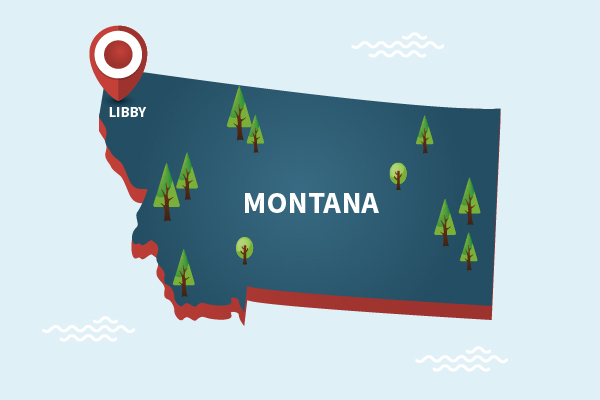
The town of Libby, Montana, is one of the most well-known asbestos contamination sites in the country. Mining operations here led to asbestos exposure risks for more than 70 years. As a result, hundreds of people developed serious health problems, like mesothelioma. The Environmental Protection Agency (EPA) listed it as a Superfund Site in 2002 and began decades of clean-up operations.
In 2025, the agency determined it was safe enough to remove parts of the site from this program. After an open feedback period, the EPA officially listed portions of the site as having met their cleanup goals. But not everyone agrees with that assessment and many doubt that Libby asbestos risks have truly been resolved. What are the key points on both sides?
1: The EPA Says Major Cleanup Work in Libby Is Finished
The EPA has spent more than two decades cleaning up asbestos contamination in Libby. Primary activities included:
- Cleaning homes, businesses and other buildings
- Monitoring affected areas across the community
- Removing contaminated soil
This year, the EPA officially considers portions of the Libby Superfund Site as having met the main cleanup goals. The agency determined it could be removed from active management. This marks a major milestone for the EPA and indicates current exposure risks are much lower than they once were.
2: “Safe” Does Not Mean Asbestos Is Completely Gone
The meaning of “safe” is subjective, so there is some debate about whether Libby is or not. Some parts of the environment may still contain asbestos even after remediation. In Libby, this means there may be some contamination in soil, rocks and other areas outside of the heavily abated zones.
EPA officials say these remaining risks can be managed through continued monitoring and maintenance as needed. But some experts and residents are unsure about that assessment. They say that the reality in Libby is that it's less safe than reports and data show.
3: Libby Residents Are Still Living With Health Effects
Libby’s asbestos crisis has led to serious, lasting health consequences. Diseases linked to asbestos exposure, like mesothelioma and asbestosis, can take decades to develop.
People exposed many years ago may still receive diagnoses in the future, even if current conditions have improved. For many residents, those ongoing illnesses make it hard to believe the crisis is really over.
4: Some Advocates Say Cleanup Standards May Not Go Far Enough
Libby poses fewer risks than it once did. But some groups question if the town is ready to be removed from EPA oversight.
Community members, advocates and researchers have expressed concerns about how asbestos risks are measured. Some argue that older risk models may not fully reflect scientists’ current understanding of low-level or long-term asbestos exposure. Others worry that cleanup benchmarks were designed around outdated regulatory goals.
The Conversation About Libby’s Safety Isn’t Over
For many residents, the bigger question is what “safe” means in everyday life. Is Libby safe for living, raising a family or building a new home? Many people have continued living in Libby throughout the cleanup, hoping it reaches their definition of safe.
Most experts agree that Libby is much safer today than it was during the height of its asbestos crisis. Opinions are divided on whether that progress means its asbestos risk can be considered resolved. Libby is a reminder that even after a major environmental cleanup ends, the harm caused by asbestos exposure can continue.


Free Mesothelioma Treatment Guide