4 Things You Need to Know About Chemo and Hair Loss
Written by Katy Moncivais, PhD on January 7, 2026
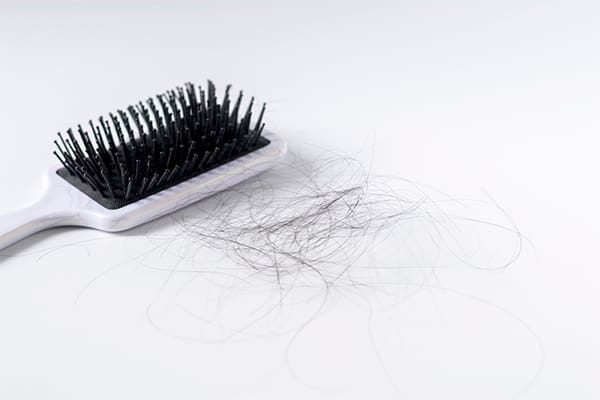
Chemotherapy has been among the most common cancer treatments for more than 50 years. Over this time, many people have learned about one of its hallmark side effects: hair loss. But do all chemo drugs make your hair fall out, and can anything be done to prevent or reduce it?
As with many cancer-related issues, it depends on a lot of things. The type, strength and combination of drugs play a role. Your diet, existing scalp health and other conditions can also impact chemo-related hair loss. An oncologist can explain how your personal factors may impact this side effect.
But you can get a general idea of what to expect from clinical study data. Keep reading to find out 4 key things medical research tells us about chemotherapy and hair loss.
1: Some Chemo Drugs May Not Cause Hair Loss
Chemo medications affect hair loss differently because they don’t all work in the same way. Some chemo drugs cause most patients to lose their hair. Others rarely cause hair loss at all.
Our team reviewed clinical studies for some of the most common chemo options. You can find the rates of hair loss associated with each in the table below. This can help give you an idea of how often patients lose hair with a specific drug.
| Chemotherapy Drug | % of Patients With Hair Loss | Sources |
|---|---|---|
| Epirubicin | 70% – 96% | Drug Label |
| Doxorubicin | 90% | Annals of Oncology |
| Paclitaxel | 87% | Drug Label |
| Ifosfamide | 80% | Annals of Oncology |
| Cyclophosphamide | 79% | International Journal of Gynecological Cancer |
| Docetaxel | 62% – 76% | Drug Label |
| 5-Fluorouracil | 69% | Evidence-Based Complementary and Alternative Medicine |
| Etoposide | 1% – 62% | Medicine and Annals of Oncology |
| Gemcitabine | 14% – 44% | Cancers |
| Carboplatin | 2% – 25% | Cancers |
| Cisplatin | 2% – 25% | Cancers |
| Pemetrexed | 6% – 12% | Drug Label |
Note: The rates above come from specific clinical studies, some of which used the listed drugs in combination regimens. They cannot predict any patient’s individual experience.
The last 3 drugs in the table are fairly common for mesothelioma. They come with lower hair loss rates than many other chemotherapy options. So mesothelioma patients may be less likely to experience chemo-related hair loss than those with other types of cancer.
2: High Doses or Mixtures of Chemo Can Come With More Hair Loss
Doctors have a few ways to customize chemotherapy treatment. They may use higher doses of some chemo drugs to target tougher tumors. Oncologists can also suggest regimens that combine 2+ chemotherapy drugs. Both options can affect a patient’s hair. In general, higher doses of chemotherapy cause more severe hair loss. The same goes for combinations, which often cause more hair loss than a chemo drug on its own.
3: Chemo Hair Loss Is Usually Temporary
The good news is that most cases of chemo hair loss are not permanent. Hair often starts to visibly come back 1 – 2 months after treatment ends. It might even be long enough for some amount of styling by the 6-month mark.
But your hair may not be the same when it grows back. Some patients have a different color or texture of hair after chemo. Like the initial hair loss, these changes are usually temporary. Experts recommend treating hair gently by avoiding any dyes or chemical products. You can talk through any potential hair treatments with the oncology team. They can help make sure any related choices support your cancer care goals.
4: Some Treatments Might Help Reduce or Reverse Hair Loss
Researchers haven’t yet found a way to prevent chemo-related hair loss. But some doctors recommend trying a cooling cap or topical foam for hair loss.
Cooling Caps Decrease Hair Loss at a Cost
A cooling cap helps reduce blood flow to the scalp during chemotherapy infusion. Less blood around hair follicles also means less exposure to the chemo drugs. For those with straighter hair, it may reduce hair loss by 50% or more. But scalp cooling might not work as well for those with tight curls.
And study patients reported bothersome side effects with this device. They experienced pain in the scalp and neck, headaches and chills. Some patients may find the device too uncomfortable to tolerate.
Topical Minoxidil Might Help Hair Grow Back Faster
Some research suggests topical minoxidil foam may help hair grow back faster after chemo. Minoxidil also comes as a pill that has shown early promise in treating chemo-related hair loss. But more studies are needed to understand how effective either form is in this setting.
You can discuss cooling caps and minoxidil with your oncologist. They can help you understand the benefits and potential downsides of these options.
What Does This Mean for Mesothelioma Patients?
Hair loss is a common side effect of chemotherapy, and many factors can affect it. Mesothelioma chemo regimens come with a lower risk of hair loss, but the risk exists. So a small portion of mesothelioma patients may still lose hair. Scalp cooling might help reduce hair loss, and minoxidil may encourage it to grow back faster after treatment.
You should discuss any chemo-related hair loss concerns with your oncologist. They can explain your personal risk factors and what might be done to help. Together, you and your doctor can make choices that support your quality of life and treatment goals.


Sources
Gaumond SI, Beraja GE, Kamholtz I, Ferrari LM, Mahmoud RH, Jimenez JJ. Chemotherapy-induced alopecia in ovarian cancer: incidence, mechanisms, and impact across treatment regimens. Cancers (Basel). 2025 Jan 26;17(3):411.
Perez AM, Haberland NI, Miteva M, Wikramanayake TC. Chemotherapy-induced alopecia by docetaxel: prevalence, treatment and prevention. Curr Oncol. 2024 Sept 23;31(9):5709–21.
Schaffrin-Nabe D, Josten-Nabe A, Heinze A, Tannapfel A, Schaffrin M, Voigtmann R. Optimizing scalp cooling: (Ultra)structural follicular characteristic and restorative advances. Cancer Manag Res. 2025;17:1245–57.
Sechi A, Cedirian S, Brunetti T, Quadrelli F, Torres F, Tosti A, et al. Safety first: a comprehensive review of nutritional supplements for hair loss in breast cancer patients. Nutrients. 2025 Apr 25;17(9):1451.
Shen XF, Ru LX, Yao XB. Efficacy of scalp cooling for prevention of chemotherapy induced alopecia: a systematic review and meta-analysis. Eur Rev Med Pharmacol Sci. 2021 Aug;25(16):5090–103.
Wikramanayake TC, Haberland NI, Akhundlu A, Laboy Nieves A, Miteva M. Prevention and treatment of chemotherapy-induced alopecia: what is available and what is coming? Curr Oncol. 2023 Mar 25;30(4):3609–26.
Free Mesothelioma Treatment Guide
Katy Moncivais, Ph.D., has more than 15 years of experience as a medical communicator. As the Medical Editor at Mesothelioma.com, she ensures our pages and posts present accurate, helpful information.