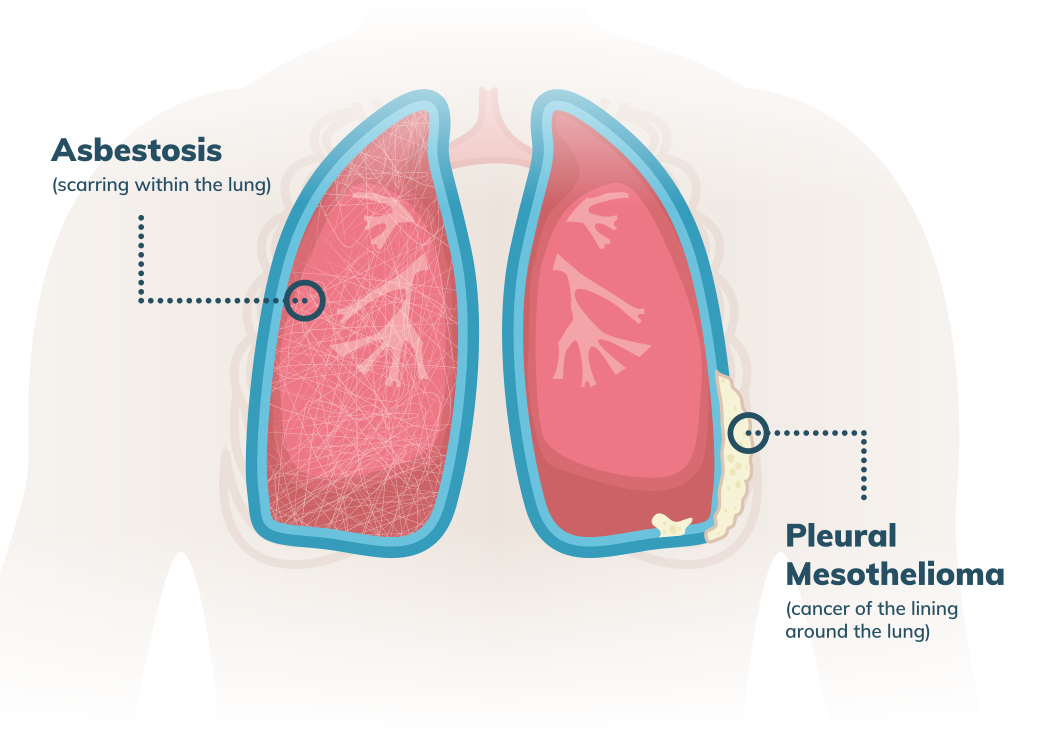
Asbestosis and mesothelioma are both linked to asbestos exposure, but they affect the body in different ways. Asbestosis is a chronic lung scarring condition. Mesothelioma is a rare cancer that develops in the lining around certain organs or areas of the body. The most common type, pleural mesothelioma, develops in the lining around the lungs.
While some symptoms overlap, these conditions are diagnosed, treated and managed differently. If you think you've been exposed, doctors can help monitor for symptoms of both illnesses. But knowing for yourself how they differ can also be helpful.
| Asbestosis | Pleural Mesothelioma | |
|---|---|---|
| Type of Condition | Non-cancerous scarring | Cancer |
| Affected Area | The lung | The lining surrounding the lung (the pleura) |
| Cause | Asbestos exposure | Asbestos exposure |
| Common Symptoms | Dry cough, fatigue, finger clubbing (widening and rounding of fingertip), shortness of breath | Dry cough, fatigue, loss of appetite, chest pain, shortness of breath, weight loss |
| Treatments | Supportive care including oxygen therapy and pulmonary rehabilitation | Chemotherapy, immunotherapy, surgery |
| Prognosis | Often non-fatal | 12 – 21 months with treatment |
Learn more about the 4 key differences below. We'll cover how they differ as conditions, then how this affects treatment options, life expectancy and symptoms.
1. Asbestosis and Pleural Mesothelioma Are Very Different Conditions
Both illnesses are caused by exposure to carcinogenic asbestos, but they affect different tissues. For those with pleural mesothelioma, the asbestos fibers migrate to the lining around the lung and cause cancer there. For asbestosis patients, the mineral’s fibers irritate the lung tissue and cause scarring (pulmonary fibrosis).
So pleural mesothelioma is a cancer outside but next to the lung, and asbestosis is scarring within the lung. These differences also impact treatment options for each condition.
2. Asbestosis and Pleural Mesothelioma Treatments Differ
Pleural mesothelioma generally requires more aggressive treatment than asbestosis. Common mesothelioma treatments include:
Without cancer-fighting treatment, pleural mesothelioma patients have a life expectancy of about 6 months. So these anti-tumor therapies are important tools for improving prognosis.
For asbestosis, doctors usually treat it with care aimed at improving quality of life. This supportive care includes oxygen therapy and pulmonary rehabilitation. In severe cases, doctors may recommend a lung transplant. But experts say these cases have become less common in recent years.
3. Life Expectancies Vary Between Asbestosis and Mesothelioma
Prognosis varies quite a bit for asbestosis. Some patients only have mild symptoms, but others experience progression. Data indicates the condition remains mild or manageable for most patients. In a study, 36% of asbestosis patients died from the condition. This means the majority of asbestosis cases are not fatal.
However, asbestosis patients have a higher risk of developing lung cancer and mesothelioma. For this reason, these patients should still maintain regular checkups and watch for signs of more serious illnesses.
The prognosis for pleural mesothelioma is quite different. With treatment, patients generally live 12 – 21 months, depending on the cancer stage and therapy approach. Without treatment, life expectancy is closer to 6 months. In other words, many cases of pleural mesothelioma are fatal.
4. Asbestosis and Pleural Mesothelioma Cause Similar Symptoms
Despite affecting different lung tissues, asbestosis and pleural mesothelioma share a few symptoms. Both conditions often cause coughing, fatigue and shortness of breath. But some symptoms are not shared between the two illnesses.
Asbestosis may cause the following symptoms not typically linked to mesothelioma:
- Crackling sound when taking a breath
- Lung failure (respiratory failure)
Pleural mesothelioma may cause the following symptoms not typically linked to asbestosis:
- Loss of appetite
- Pleural effusion
- Weight loss
What Does This Mean if You Were Exposed to Asbestos?
If you worked asbestos jobs or had other exposures, it's a good idea to share this history with your doctor. Together, you can monitor for signs of asbestosis, malignant mesothelioma and other asbestos cancers and lung diseases. Watching for symptoms of these conditions may help catch them early. And in the case of cancer, earlier detection often comes with a better prognosis.


Sources
Asbestosis Symptoms and Diagnosis; 1/16/2026
Asbestosis; 1/1/2026
Asbestosis; 4/1/2025
Comorbidities and causes of death of patients with asbestosis; 4/1/2023
Malignant pleural mesothelioma: an update on investigation, diagnosis and treatment; 11/30/2016
Prognostic factors in malignant pleural mesothelioma: role of talc pleurodesis; 8/1/2012
Diagnosis and initial management of nonmalignant diseases related to asbestos; 9/15/2004
Free Mesothelioma Treatment Guide


Katy Moncivais, PhD, has more than 15 years of experience as a medical communicator. As the Medical Editor at Mesothelioma.com, she ensures our pages and posts present accurate, helpful information.