What if My House Has Asbestos? A Guide for Homebuyers and Dwellers
Written by Tonya Nelson on July 9, 2025
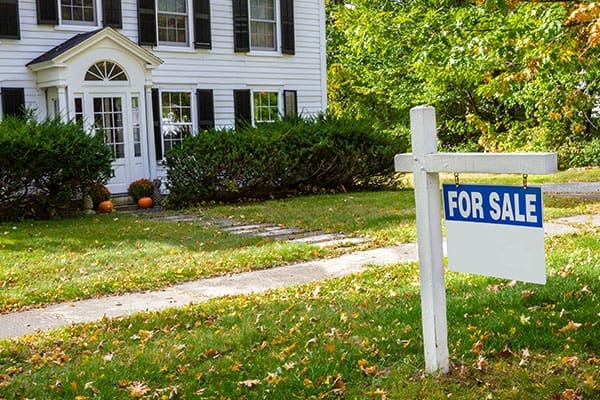
Buying a house is quite the endeavor. Between mortgages, real estate agents, lawyers and a small mountain of paperwork, there are a lot of moving parts.
One of the final steps of buying a house is to have the home inspected. This step helps ensure you’re aware of any issues with the house before you buy it. Concerns could range from minor plumbing and electrical trouble to larger problems like mold.
But what if the property contains asbestos? The once-popular mineral causes mesothelioma, and it may have been used during construction of the house. It could also be present in waste or junk left on the property. And in certain areas, asbestos is naturally present in the ground. If any of these situations apply to your property, what can you do about it?
What if My New House Contains Asbestos?
For most of the 20th century, the construction industry heavily used asbestos. The mineral is durable, flexible and heat-resistant. This made it popular to use in insulation, tiling, roofing, cement and more.
Home inspections do not generally include testing for asbestos. Performing an asbestos inspection requires a separate license. In general, homebuyers are not required to test for asbestos before buying a house. But it could be wise to do so under certain circumstances, including:
- If the house was built before the 1990s, there’s a good chance it contains asbestos.
- If any asbestos materials are decaying, they could be dangerous. Asbestos poses health risks when released into the air and inhaled.
- If you’re doing any renovations, they could also release asbestos into the air. It’s safer to know if you might be cutting into asbestos materials or not.
If any of these are true, you may want to hire a professional asbestos investigator. If they find anything, you can proceed with asbestos abatement. Or you may want to look for another house.
What if My New Land Has Asbestos Waste on the Property?
People looking to buy larger lots of land may find asbestos waste on the property. For example, a man in Wisconsin was surprised to find asbestos debris on his new land. The previous owner had dumped it there, going so far as to hide asbestos waste in trees. While they eventually agreed to clean it up, the homeowner had to pay almost $25,000 for lawyers and asbestos specialists.
Federal law doesn’t require home sellers to disclose asbestos on the property, although state laws might. So even an “innocent buyer” unaware of asbestos waste on the property may be liable to clean it up, regardless of who caused it. In some cases, the purchaser can sue those who caused the pollution, but that can be costly and complicated in its own right.
So how can you avoid finding yourself in a similar bind? Consider these steps:
- Do your due diligence. In addition to ordering your own testing, you can ask the seller to provide documentation of any previous asbestos testing and abatement.
- Know the law. Understanding federal and local laws can tell you about the legalities of asbestos in your area. This may help you steer clear of properties that come with significant cleanup costs.
- Negotiate. If asbestos waste is found, you can request that the seller pay for its cleanup as part of the sale.
What if My New Property Contains Naturally Occurring Asbestos?
Asbestos is a mineral that naturally occurs in rock in certain areas. It can be found on the West Coast and in the Appalachian Mountains. Libby, Montana, is one place known for its asbestos deposits.
If you’re looking to buy a home in an area that has natural asbestos, you may want to make some extra considerations. For instance, a registered geologist can help identify any rocks or faults on your property that may contain asbestos.
If you already live on a property with naturally occurring asbestos, experts recommend following these safety precautions:
- Close doors and windows: Weather conditions can blow loose asbestos dust around. On days with more wind or nearby construction, keeping the doors and windows shut can help keep you safer.
- Pave roads: Driving on unpaved roads or driveways in an area with asbestos could kick up dangerous dust. Similarly, walking on unpaved walkways could track asbestos dust into your home. Paving over these paths can help protect you from asbestos exposure.
- Use water to contain dust: When cleaning the house, use moisture. Wetting any asbestos dust around the home can help reduce the likelihood of it releasing into the air.
You can find more information on what to do if you live near naturally occurring asbestos here.
What Does This Mean for Property Owners?
Buying a home is a significant investment of time and money. While checking for asbestos can add a few steps to your to-do list, it could help keep your family safe in the long run. And you deserve to live safely in the place you call home. If you need help navigating the process, consider speaking with a lawyer.


Sources
Anthony’s Abatement. Buying a Home with Asbestos: Risks and Solutions Explained.
Bankrate. Do home inspections check for asbestos?
Branch Environmental. SHOULD I CHECK FOR ASBESTOS BEFORE BUYING A HOME?
California Environmental Protection Agency. Fact Sheet #4 Naturally-Occurring Asbestos Around Your Home.
Centers for Disease Control and Prevention. Naturally occurring asbestos locations in the contiguous USA and Alaska.
OWN Real Estate. Laws on Selling a House with Asbestos: A Comprehensive Guide for Home Sellers.
United States Consumer Product Safety Commission. Asbestos In The Home.
Wisconsin Public Radio. From ‘dream’ property to nightmare: Some Wisconsinites pay the price for pollution they didn’t cause.
Free Mesothelioma Treatment Guide