Paracentesis for Mesothelioma

Paracentesis is a procedure to drain excess fluid, called ascites, from the abdomen. Ascites is a common symptom of peritoneal mesothelioma. Fluid buildup may cause stomach pain and breathing difficulty. Doctors use paracentesis to diagnose the cause of the buildup and provide symptom relief.
Learn More About Paracentesis in Our Free Mesothelioma Guide
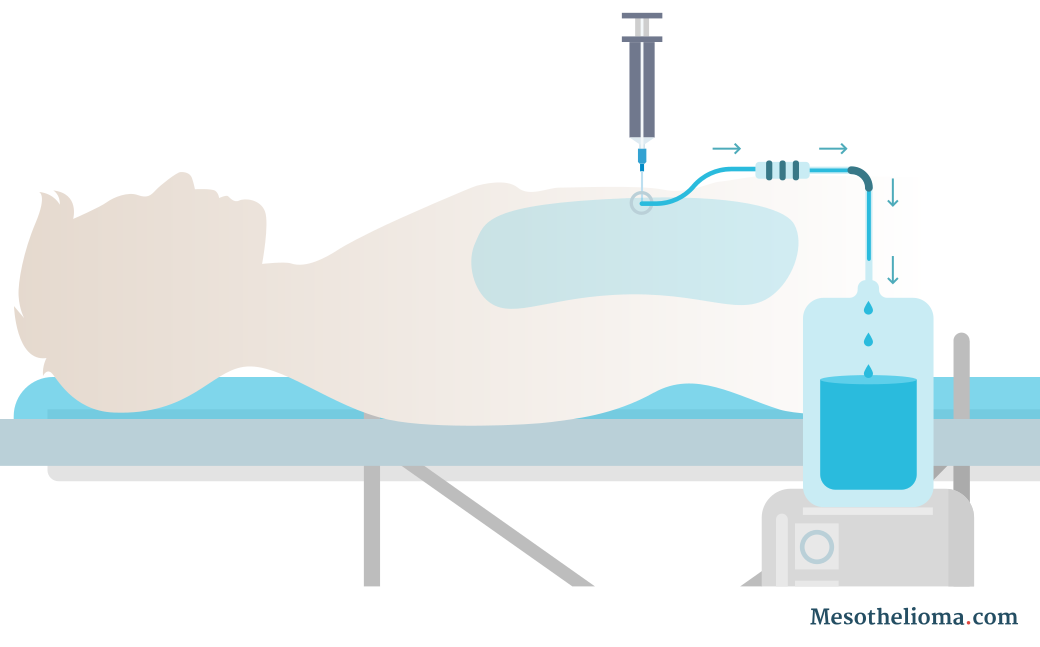
What Is Paracentesis for Mesothelioma?
Mesothelioma paracentesis procedures drain fluid from the abdominal cavity. Fluid buildup in the abdominal cavity is known as peritoneal effusion or ascites. Paracentesis is a minimally invasive surgery to address ascites. Doctors may perform paracentesis for a couple of reasons:
- Diagnostic: To determine the cause of the fluid buildup.
- Therapeutic: To relieve symptoms stemming from fluid buildup, including abdominal pain and swelling, difficulty breathing and other discomfort.
In healthy individuals, a small amount of fluid lubricates the layers of the peritoneum (lining of the abdomen). However, excess peritoneal fluid is a common symptom of peritoneal mesothelioma. The mesothelioma tumors may block the reabsorption of peritoneal fluid, leading to fluid buildup. As little as two tablespoons of fluid (25 mL) in the peritoneal cavity qualifies as ascites.
Paracentesis removes the abdominal fluid buildup with a hollow needle. About 150,000 paracentesis procedures are completed annually in the United States.
How Does Paracentesis Relieve Symptoms?
Paracentesis relieves patients’ symptoms that are causing them discomfort by draining the excess fluid. A paracentesis procedure is not a permanent solution but offers patients temporary relief from peritoneal effusion. Peritoneal mesothelioma patients may undergo repeated paracentesis procedures for mesothelioma symptom management.
Peritoneal mesothelioma is not the only disease that causes fluid buildup in the abdomen. Fluid buildup is a symptom of many other diseases, such as abdominal cancers and cirrhosis. Doctors can use fluid from a paracentesis procedure to diagnose other diseases.
However, fluid analysis cannot diagnose mesothelioma. The cancer can only be diagnosed through a tissue biopsy.
- Abdominal cancers
- Alcoholism/alcohol abuse
- Cirrhosis
- Congestive heart failure
- Hepatitis B
- Hepatitis C
- Kidney failure
- Peritoneal mesothelioma
What’s the Difference Between Paracentesis and Thoracentesis?
Paracentesis treats patients with excess abdominal fluid. Thoracentesis (Pleurocentesis) treats patients with excess fluid in the lining around the lung (pleural effusion).
Fluid accumulation is a common symptom for many malignant mesothelioma patients. Paracentesis and thoracentesis are procedures that drain extra fluid.
The key difference between the two is the location from which they drain fluid. Paracentesis drains fluid from the lining of the abdomen. Thoracentesis drains fluid from the lining around the lung.



What to Expect During a Paracentesis Procedure
The mesothelioma paracentesis procedure is a minimally invasive surgery. The minor surgical procedure is often done on an outpatient basis. Doctors may repeat the procedure as needed to manage patient symptoms.
The goal of a paracentesis procedure is to remove excess fluid from the abdomen. Doctors perform the procedure as a palliative mesothelioma treatment. The goal of palliative treatments is to lessen symptoms and improve quality of life. When performed for symptom relief, doctors typically attempt to remove all the excess fluid. Patients undergoing the procedure for other reasons, such as diagnostic purposes, may have less fluid removed.
Whether completed for diagnostic or palliative purposes, doctors apply a local anesthetic to ease pain. This topical painkiller lessens the pain felt during needle insertion.
Steps of the Paracentesis Procedure
- The patient is positioned to make the procedure as safe and effective as possible.
- The doctor may use an ultrasound to identify the optimal needle placement.
- The patient’s skin and underlying tissues are numbed.
- The doctor inserts a needle into the abdomen to access the fluid.
- A syringe or other medical device is attached to the needle and draws out the fluid.
- Once the desired amount of fluid is drained, the doctor removes the needle and syringe. Patients may receive small sutures if needed.
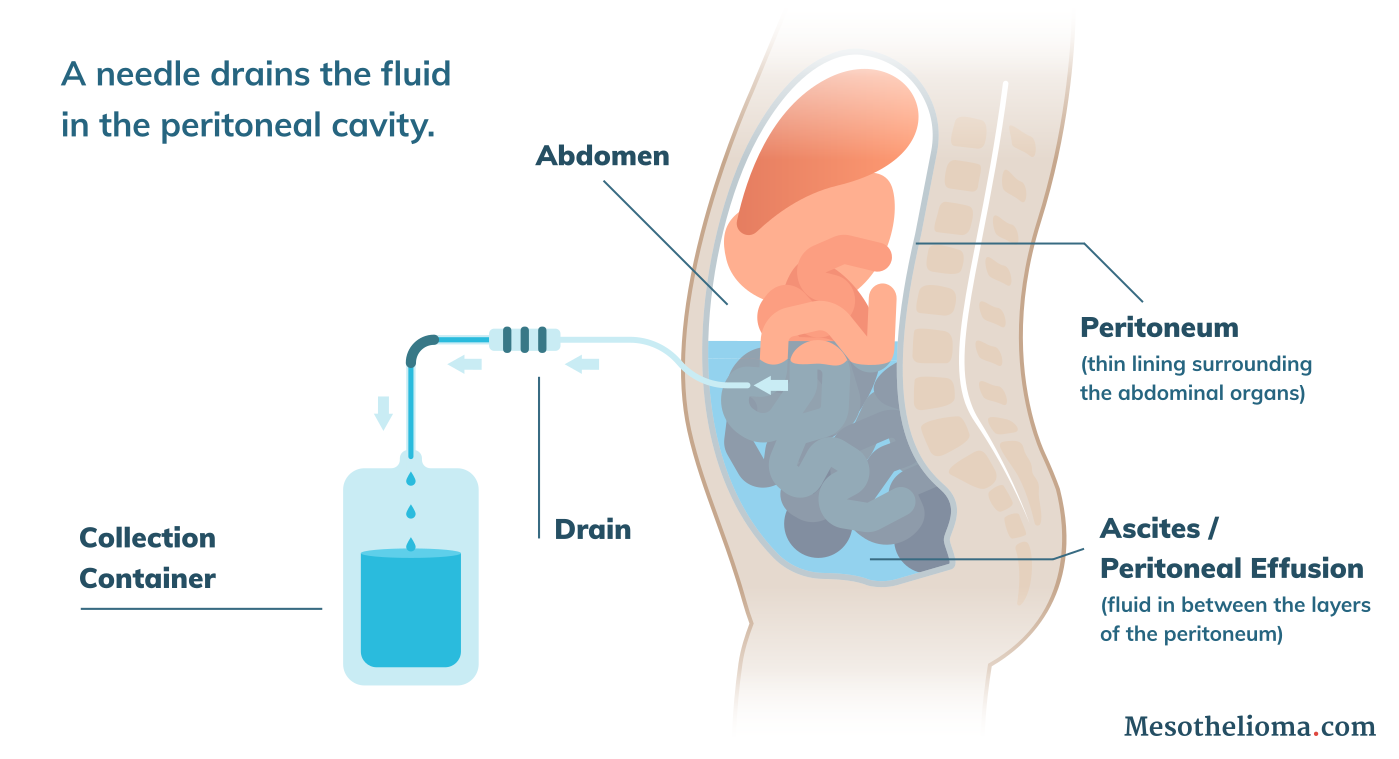
When removing a large amount of fluid, some patients may experience low blood pressure. The decrease in blood pressure may result in dizziness. Malignant peritoneal mesothelioma patients may receive intravenous (IV) fluids during the procedure. The IV fluids help prevent low blood pressure following paracentesis.
Generally, paracentesis takes about 30 minutes to complete. Patients may undergo the minor procedure at cancer centers and hospitals across the country or in a doctor’s office.
Often, a gastroenterologist performs the procedure. However, mesothelioma patients may work with a specialized mesothelioma doctor to schedule the paracentesis.
Benefits of Paracentesis for Mesothelioma Patients
Paracentesis for mesothelioma is a relatively low-risk procedure. As such, paracentesis may be a viable treatment for many peritoneal mesothelioma patients with ascites.
Data indicates abdominal pain is the most common complaint leading to a peritoneal mesothelioma diagnosis. Patients also commonly experience swelling of the belly. These abdominal symptoms often stem from ascites. Treating the buildup of fluid with paracentesis may reduce discomfort and improve quality of life.
Ascites may recur and continue to cause symptoms. The palliative procedure can be repeated as needed to reduce the abdominal pain and discomfort caused by the fluid. The frequency of paracentesis varies on a case-by-case basis.
If ascites is a recurring problem for patients, their medical team may instead insert a catheter into the patient’s peritoneal cavity. A catheter can enable continuous draining of the peritoneal fluid.
Paracentesis Risks and Complications
Like all medical procedures, paracentesis may cause complications. Potential side effects include low blood pressure and infection. But research indicates complications may occur in less than 6% of cases.
The risk of complications may increase if a patient moves during the procedure. If the patient is unable to hold the position, a physician may end the procedure early. This way, the needle will not damage or perforate nearby organs because of position changes. If the procedure does end early, doctors may not be able to remove the desired amount of fluid.
Side effects of the procedure are generally mild and infrequent.
- Bleeding and/or hemorrhage
- Fluid leakage from the insertion site
- Hematoma (pooling of blood under the skin)
- Hypotension (low blood pressure)
- Infection
- Intestinal perforation (rare)
Patients can discuss potential complications with their oncology teams. Healthcare providers can explain how the risks may affect each patient.
Learn About Financial Assistance Available for Treatment Costs Learn more with our free information packet Get Help Now
Who Can Be Treated With Paracentesis?
In general, patients with abdominal fluid buildup may be eligible for paracentesis. Certain risk factors like clotting problems and pregnancy can make a patient ineligible. Doctors may recommend other treatment options for patients who cannot undergo paracentesis.
Paracentesis treats fluid accumulation in the abdominal lining, which can be caused by many conditions. This means most hospitals offer paracentesis, as it is a common procedure.
Patients should talk to their doctors if they experience abdominal swelling and discomfort. If ascites is the cause, doctors may recommend paracentesis.
Common Questions About Paracentesis
Why would someone need a paracentesis procedure?
How much does paracentesis cost?
Sources
Aponte EM, Katta S, et al. Paracentesis. StatPearls. Updated May 2023.
Cleveland Clinic. Ascites. Updated May 2021.
De Gottardi A, Thévenot T, et al. Risk of complications after abdominal paracentesis in cirrhotic patients: a prospective study. Clinical Gastroenterology and Hepatology. August 2009;7(8):906-909. doi: 10.1016/j.cgh.2009.05.004
Enomoto LM, Shen P, et al. Cytoreductive surgery with hyperthermic intraperitoneal chemotherapy for peritoneal mesothelioma: patient selection and special considerations. Cancer Management and Research. May 2019;11:4231-4241. doi: 10.2147%2FCMAR.S170300
Gotfried J. Paracentesis. Merck Manual Professional Version. Updated March 2023.
Höllinger P, Gaeng D. Simultaneous bilateral spontaneous pneumothorax in a patient with peritoneal and pleural papillary mesothelioma. Respiration. 1997;64(3):233-235. doi: 10.1159/000196677
Ibrahim AM, Al-Akchar M, et al. Malignant Peritoneal Mesothelioma: A Rare Cause of Ascites. Journal of Investigative Medicine High Impact Case Reports. January-December 2018;6. doi: 10.1177/2324709618807506
Johnson J. Hematoma: Everything you need to know. MedicalNewsToday. Updated March 2023.
Macken L, Mason L, et al. Palliative long-term abdominal drains versus repeated drainage in individuals with untreatable ascites due to advanced cirrhosis: study protocol for a feasibility randomised controlled trial. Trials. July 2018;19(401). doi: 10.1186/s13063-018-2779-0
Medicare.gov. Abdominal paracentesis (diagnostic or therapeutic); with imaging guidance.
Oxford Medical Education. Ascitic tap (paracentesis). November 2014.
Saint Luke’s. Paracentesis.
ScienceDirect. Paracentesis.
Stafford PJ. Recurrent pneumothorax following abdominal paracentesis. Postgraduate Medical Journal. April 1990;66(774):319–320. doi: 10.1136/pgmj.66.774.319
Stanford EdTech. Paracentesis Procedure – What to Expect [Video]. YouTube. April 2019.
Wint C. Ascites Causes and Risk Factors. Healthline. Updated October 2021.
Free Mesothelioma Treatment Guide

Katy Moncivais, Ph.D., has more than 15 years of experience as a medical communicator. As the Medical Editor at Mesothelioma.com, she ensures our pages and posts present accurate, helpful information.

 Medically
Reviewed by
Francis Perry Wilson, MD
Senior Medical Advisor
Medically
Reviewed by
Francis Perry Wilson, MD
Senior Medical Advisor
Dr. Francis Perry Wilson is the Director of the Clinical and Translational Research Accelerator at the Yale University School of Medicine. He specializes in nephrology and clinical research.