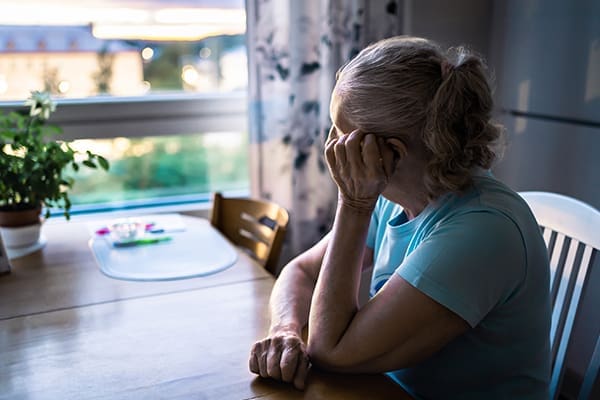
Cancer survivors often focus on diet, medical follow-ups and mental well-being. But what about sitting? Many people don’t realize that prolonged sitting can be harmful, even after beating cancer.
A 2022 JAMA Oncology study found that cancer survivors who sit for more than 8 hours a day face a higher risk of death. On the other hand, even light activities, like standing up or taking short walks, can help lower that risk.
Keep reading to learn how small changes could make a big difference in recovery, longevity and overall health.
The Risks of a Sedentary Lifestyle
Sitting for long periods may seem harmless, especially during recovery. But research shows that sitting too much can hurt circulation and slow your metabolism. It may also cause weight gain, heart disease and other complications.
Too much sitting can also trigger inflammation, weaken the immune system and disrupt blood sugar levels. These factors may contribute to higher risks of chronic diseases, cancer recurrence and shorter lifespans.
In a JAMA Oncology study, prolonged sitting was linked to a higher risk of death among cancer survivors. Researchers compared risks for those sitting 4 hours a day versus more than 8 hours a day. Those who sat the most had an 81% higher risk of dying from any cause.
Impact on Recovery
Cancer treatments like chemotherapy and radiation can take a toll on the body. These therapies can cause muscle weakness and fatigue. Sitting too much might worsen these effects. Research has linked prolonged sitting to:
- Blood vessel damage
- Increased risk of heart disease
- Muscle loss and weakening
- Slower blood circulation
As you might imagine, these effects have not been linked to faster recovery after cancer treatment. Not to worry, though. In the JAMA Oncology study, even light activity like standing helped reduce the negative impacts of sitting. So, even small changes can help.
Mental Health and Well-Being
Cancer survivors are more likely to experience depression, anxiety and stress. Sitting for long hours may contribute to these feelings, making it harder to stay positive and motivated. Excessive lounging may also reduce sleep quality.
Studies show that physical activity releases endorphins, the body’s natural mood boosters. Movement also improves blood flow to the brain, which could help with focus and memory.
Practical Strategies to Reduce Sitting Time
Reducing sedentary time doesn’t have to mean hitting the gym for hours. Small, simple changes can make a big difference in your health and recovery.
Breaking Up Long Sitting Periods
Even without intense exercise, breaking up long sitting periods can improve health. Standing up, stretching or walking every hour or so can improve circulation and lower health risks.
Here are some ways to sit less and move more during the day:
- Do light household tasks like folding laundry or watering plants while standing
- Make TV time active by marching in place during commercials
- Set reminders to stand and stretch throughout the day
- Walk around your house while you’re on the phone
You don’t have to do full, rigorous workouts. Standing or moving more can help reduce the harm of prolonged sitting.
A study in the Journal of the National Cancer Institute (JNCI) found that breast cancer patients who did light exercise had better survival rates than those who were inactive. While the most beneficial type of exercise is still uncertain, research from JNCI and the National Cancer Institute shows that staying active, even at a low level, can improve cancer patients’ outcomes.
Remember to start small. Listen to your body and work with your care team to make your activity choices work for you.
What Does This Mean for Mesothelioma Patients?
Sitting too much can be harmful for cancer survivors, but small changes can make a big difference. Even light activity can improve heart health, strengthen muscles and boost mental well-being. These benefits are within reach, even for mesothelioma patients in active treatment.
You don’t need to change your whole routine. Start small—stand during phone calls, take short walks or stretch between tasks. Work with your care team to build daily habits that match your needs and goals.


Sources
American Cancer Society. American Cancer Society Guideline for Diet and Physical Activity.
American College of Cardiology. Sitting Too Long Can Harm Heart Health, Even for Active People.
Bade BC, Thomas DD, Scott JB, Silvestri GA. Increasing physical activity and exercise in lung cancer: reviewing safety, benefits, and application. J Thorac Oncol. 2015 Jun;10(6):861–71.
Better Health Channel. The dangers of sitting: why sitting is the new smoking.
Buman MP, Kline CE, Youngstedt SD, Phillips B, Tulio de Mello M, Hirshkowitz M. Sitting and television viewing: novel risk factors for sleep disturbance and apnea risk? results from the 2013 National Sleep Foundation Sleep in America Poll. Chest. 2015 Mar;147(3):728–34.
Cannioto RA, Hutson A, Dighe S, McCann W, McCann SE, Zirpoli GR, et al. Physical activity before, during, and after chemotherapy for high-risk breast cancer: relationships with survival. J Natl Cancer Inst. 2021 Jan 4;113(1):54–63.
Cao C, Friedenreich CM, Yang L. Association of daily sitting time and leisure-time physical activity with survival among us cancer survivors. JAMA Oncol. 2022 Mar 1;8(3):395–403.
Dismore L, Taylor L, Hurst C, Aujayeb A, Poulter H, Swainston K. Experiences of physical activity in mesothelioma: a qualitative enquiry. JoR. 2024 Oct 16;4(4):188–97.
Duran AT, Friel CP, Serafini MA, Ensari I, Cheung YK, Diaz KM. Breaking up prolonged sitting to improve cardiometabolic risk: dose–response analysis of a randomized crossover trial. Medicine & Science in Sports & Exercise. 2023 May;55(5):847–55.
Hwang CL, Chen SH, Chou CH, Grigoriadis G, Liao TC, Fancher IS, et al. The physiological benefits of sitting less and moving more: Opportunities for future research. Prog Cardiovasc Dis. 2022;73:61–6.
Meyer JD, O’Connor J, McDowell CP, Lansing JE, Brower CS, Herring MP. High sitting time is a behavioral risk factor for blunted improvement in depression across 8 weeks of the covid-19 pandemic in april-may 2020. Front Psychiatry. 2021;12:741433.
Mustian KM, Sprod LK, Janelsins M, Peppone LJ, Mohile S. Exercise recommendations for cancer-related fatigue, cognitive impairment, sleep problems, depression, pain, anxiety, and physical dysfunction: a review. Oncol Hematol Rev. 2012;8(2):81–8.
UT Southwestern Medical Center. Exercise boosts blood flow to the brain, study finds.
Free Mesothelioma Treatment Guide

Tara Strand specializes in writing content about mesothelioma and asbestos. She focuses on topics like mesothelioma awareness, research, treatment, asbestos trust funds and other advocacy efforts.