Global Asbestos Awareness Week Imagines a Safer World for Everyone
Written by Tara Strand on April 14, 2022
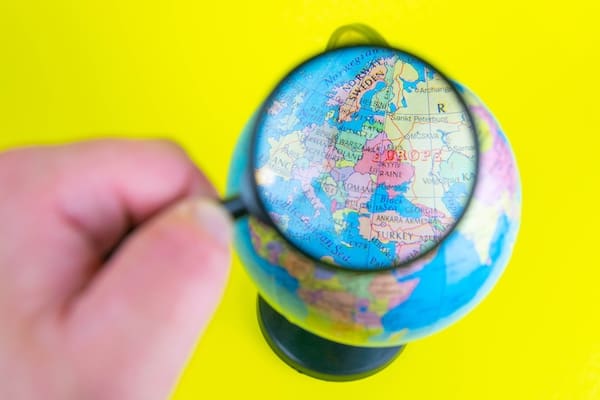
Global Asbestos Awareness Week is an annual initiative to help prevent asbestos exposure. Participants teach people about the ongoing risk of exposure around the world. They also advocate for stronger safety laws and regulations.
More than 60 countries have national asbestos bans. This leaves more than one hundred countries where asbestos is still legal. Global Asbestos Awareness Week is a time for working toward a future where no one is unnecessarily exposed to asbestos.
Risk of Asbestos Exposure Still Exists Around the Globe
Asbestos exposure is a continuing risk around the world. In 2021, global mine production of asbestos was estimated to be more than one million tons. The latest data places annual global consumption at approximately 1.2 million tons.
Scientific evidence that asbestos exposure causes cancer has existed since at least the 1960s.
Asbestos-related diseases continue to kill more than 200,000 people globally each year. The large majority of these deaths are caused by work-related exposure. The actual number of asbestos-related deaths may be higher than the official number. Cases can go unreported or be misdiagnosed.
Global Asbestos Awareness Week Organizers Advocate a Global Asbestos Ban
The Asbestos Disease Awareness Organization (ADAO) sponsors the awareness week initiative. ADAO advocates for a ban on all mining, manufacturing and use of asbestos worldwide. Another key goal is to teach people about asbestos safety. This can help people avoid exposure.
- Advocate for better compliance with existing asbestos laws and regulations
- Advocate for stricter asbestos laws and regulations, including national asbestos bans
- Increase awareness of the dangers of asbestos exposure
- Increase awareness of safety measures to manage asbestos products and asbestos in buildings
It is also important to be aware of the victims of asbestos exposure. Asbestos exposure can lead to diseases such as mesothelioma cancer. After initial exposure, it can take a long time for the appearance of an asbestos disease. A person exposed to asbestos in 2022 may not develop an asbestos-related condition for decades. Even if a global ban occurs, asbestos-related diseases will continue to be a global problem. It is important to support advances in treating these diseases.
Developments Toward an Asbestos-Free Future
A lot of work remains to create a world where people are safe from asbestos exposure. But there are reasons to believe that the goals of Global Asbestos Awareness Week are achievable. This week is also a time to celebrate achievements and hope for a better, safer future.
On April 5, 2022, the Environmental Protection Agency (EPA) proposed a rule that would ban current uses of chrysotile asbestos in the United States. This proposed ban comes after release of the agency’s risk evaluation for chrysotile asbestos. The EPA determined all of the current uses of chrysotile asbestos posed an unreasonable risk to health.
The EPA is currently evaluating the other types of asbestos, including legacy uses of the mineral. That evaluation is expected to be complete by December 2024.
In addition to potential new regulations, frameworks exist to help achieve a global ban. Two international conventions offer guidelines for national asbestos bans:
- The International Labor Organization (ILO) C162 Asbestos Convention
- The United Nations (UN) Basel Convention
Countries that adopt these conventions are more likely to establish an asbestos ban than those that do not adopt them.
There have also been developments in treating asbestos-related diseases. In 2021, advances in immunotherapy and surgery helped improve outcomes for mesothelioma patients. Scientists are continuing to look for ways to improve treatment and extend patient survival.
What Can You Do to Increase Asbestos Awareness?
There are several things individuals can do to increase asbestos awareness, including:
- Encouraging politicians to pass stricter asbestos laws and regulations
- Sharing information about asbestos awareness on social media
- Signing petitions to create national asbestos bans
Every Global Asbestos Awareness Week is a chance to work toward a safer future for everyone.


Sources
Asbestos Disease Awareness Organization. Landing Page for Global Asbestos Awareness Week. “Asbestos: One Word. One Week. One World.” April 1 – 7, 2022. Updated March 2022.
Furuya S, Chimed-Ochir O, et al. Global Asbestos Disaster. International Journal of Environmental Research and Public Health. May 2018;15(5)1000. doi: 10.3390/ijerph15051000
Lin R, Chien L, et al. Implementation of national policies for a total asbestos ban: a global comparison. The Lancet Planetary Health. August 2019;3(8):e341-e348. doi: 10.1016/S2542-5196(19)30109-3
National Minerals Information Center. Mineral Commodity Summaries: Asbestos. U.S. Geological Survey. January 2022.
Statista. Mine production of asbestos worldwide from 2010 to 2021.
United States Environmental Protection Agency. EPA Proposes to Ban Ongoing Uses of Asbestos, Taking Historic Step to Protect People from Cancer Risk. April 2022.
United States Environmental Protection Agency. Risk Evaluation for Asbestos Part I: Chrysotile Asbestos. December 2020.
Free Mesothelioma Treatment Guide

Tara Strand specializes in writing content about mesothelioma and asbestos. She focuses on topics like mesothelioma awareness, research, treatment, asbestos trust funds and other advocacy efforts.