COVID-19 Vaccine Protects a Majority of Cancer Patients
Written by Katy Moncivais, PhD on September 9, 2021
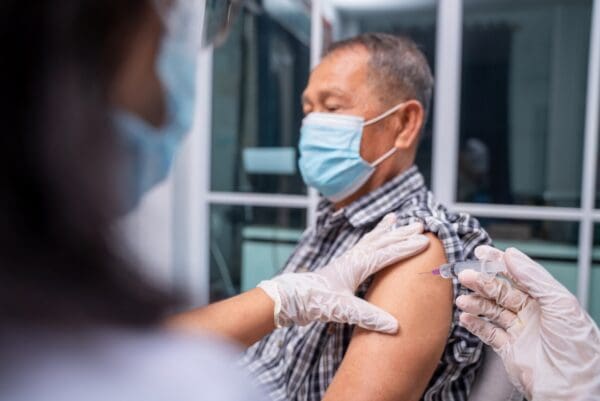
A recent COVID-19 vaccination study provides good news for mesothelioma patients. Israeli researchers vaccinated patients undergoing cancer treatment. Pfizer’s vaccine activated the immune system to fight the virus in 90% of cancer patients.
Before this study, experts had not confirmed the efficacy of COVID-19 vaccines in cancer patients.
Without confidence in the vaccine, some cancer patients may have felt vulnerable. Early reports indicated cancer patients had higher than average COVID-19 risks. These risks included:
- A higher-than-average risk of death from the virus
- A higher-than-average risk of hospitalization from the virus
Many patients may find comfort in this new study. It may encourage some cancer patients to seek vaccination and timely treatment.
Researchers Say Vaccinating Cancer Patients Should Be Top Priority
SARS-CoV-2 stands for severe acute respiratory syndrome coronavirus 2. SARS-CoV-2 is the virus that causes coronavirus disease 2019, also known as COVID-19.
In this recent study, 90% of the cancer patients tested positive for SARS-CoV-2 antibodies after two doses of the Pfizer vaccine. The immune system produces SARS-CoV-2 antibodies as a way to protect against infection. Thus, the Pfizer vaccine triggered immune protection from the COVID-19 virus in a majority of cancer patients.
Due to their results, study authors emphasized the importance of vaccination for cancer patients.
Our findings do suggest that vaccinating [cancer] patients during anticancer treatment of any kind should be top priority.
Study Evaluates COVID Vaccine Performance During Cancer Treatment
The original clinical trial of Pfizer’s vaccine against SARS-CoV-2 included cancer patients. However, the trial excluded patients receiving several common cancer treatments. Thus, the study patients were likely vaccinated in between treatments rather than during.
This meant the Pfizer clinical trial did not address the topic of vaccine performance during active cancer treatment. The more recent Israeli study set out to bridge this knowledge gap.
Some may wonder why researchers went to the effort of addressing this topic. Why might the vaccine work differently in cancer patients during treatment versus in between treatment cycles?
The answer lies in the nature of cancer treatment. Several cancer treatments suppress the immune system. It may help to think of immune suppression as a weakened immune system.
A weakened immune system could be a problem when it comes to vaccination.
The immune system must respond to the vaccine in order to protect the patient from the virus. If a person’s immune system were too weak, it may not have the strength to respond to the vaccine.
This could make the COVID vaccine less effective in patients with suppressed immune systems.
Thus, doctors needed to test vaccine efficacy during cancer treatment to see how it would affect these patients.
102 Cancer Patients Received the Pfizer Vaccine
Researchers started by recruiting cancer patients from the Davidoff Cancer Center in Israel. All study patients were undergoing some form of systemic cancer treatment for solid tumors. Cancer patients in the study were receiving the following forms of treatment:
- Chemotherapy: 29%
- Immunotherapy: 22%
- Multimodal therapy: 39%
- Other: 11%
Number: 102 patients
Median Age: 66
Gender: 57% male, 43% female
Number: 78 patients
Median Age: 62
Gender: 32% male, 68% female
In this study, researchers compared the vaccine’s effects in cancer patients to those in healthy patients. In this case, the healthy control group was made up of caregivers accompanying cancer patients during treatment.
Both cancer patients and control patients received two doses of Pfizer’s vaccine. Researchers collected blood samples from study patients about 40 days after the second vaccine dose. They then used those samples to determine the vaccine’s efficacy.
Researchers Found Evidence of Immune Protection in 90% of Vaccinated Cancer Patients
An effective vaccine teaches the immune system to make antibodies against a virus. The Pfizer vaccine was designed to teach the immune system to make SARS-CoV-2 antibodies. If the vaccine worked, SARS-CoV-2 antibodies would appear in patients’ blood.
Thus, researchers checked patients’ blood samples for antibodies against SARS-CoV-2. Researchers found these antibodies in 90% of cancer patients and in 100% of control patients after vaccination.
This means the vaccine activated the immune system to fight the virus in the majority of cancer patients.
Effects of Immunotherapy and Chemotherapy Combination on Vaccine Response
One important finding in the Israeli study involves immunotherapy drugs called checkpoint inhibitors. Doctors use checkpoint inhibitors such as Keytruda® and Opdivo® in mesothelioma treatment.
Checkpoint inhibitors work with the immune system to fight cancer. The immune system also works with the vaccine to fight SARS-CoV-2. As such, some patients may have concerns about vaccine efficacy during checkpoint inhibitor treatment.
According to the study authors, checkpoint inhibitors did not interfere with antibody production. This means checkpoint inhibitor therapy may have little to no effect on vaccine response in cancer patients.
Research Into COVID Vaccination in Cancer Patients Continues
Investigation of this topic is ongoing. Researchers in this study are still following the study participants. They plan to track antibody levels over time and report their findings in a future publication.
For now, the study authors suggest prioritizing vaccination for patients undergoing cancer treatment. Even after vaccination, experts still recommend all cancer patients continue practicing infection control measures. These measures include wearing masks and practicing social distancing.
Note: The Meso Foundation recommends COVID-19 vaccination for mesothelioma patients receiving immunotherapy. Learn more about their recommendations here.


Sources
Harvey RA, Rassen JA, et al. Association of SARS-CoV-2 Seropositive Antibody Test With Risk of Future Infection. JAMA International Medicine. February 2021;181(5):672-679. doi:10.1001/jamainternmed.2021.0366
Massarweh A, Eliakim-Raz N, et al. Evaluation of Seropositivity Following BNT162b2 Messenger RNA Vaccination for SARS-CoV-2 in Patients Undergoing Treatment for Cancer. JAMA Oncology. August 2021;7(8):1133-1140. doi: 10.1001/jamaoncol.2021.2155
Polack FP, Thomas SJ, et al. Safety and Efficacy of the BNT162b2 mRNA Covid-19 Vaccine. New England Journal of Medicine. December 2020;383(27):2603-2615. doi: 10.1056/NEJMoa2034577
Free Mesothelioma Treatment Guide

Katy Moncivais, Ph.D., has more than 15 years of experience as a medical communicator. As the Medical Editor at Mesothelioma.com, she ensures our pages and posts present accurate, helpful information.