4 Potential Benefits of Beta-Glucans: Cancer-Fighting, Immune-Boosting and Health-Supporting Effects
Written by Katy Moncivais, PhD on July 13, 2023
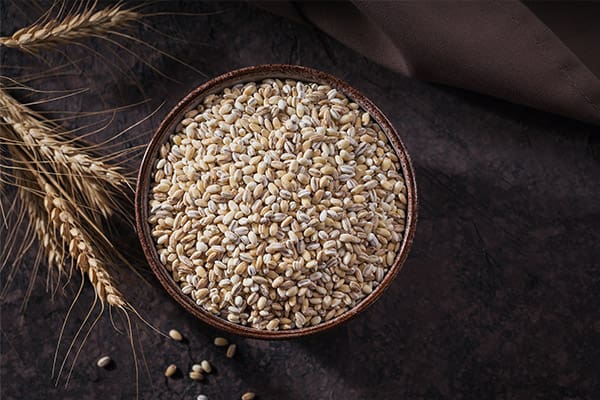
Beta-glucans are sugars that may offer an array of health benefits. They are being studied as a complementary cancer therapy. Researchers have also looked into other beta-glucan health benefits.
These natural sugars can support heart health and may help boost the immune system. Beta-glucans might also offer benefits for skin conditions, like eczema.
To promote awareness, we have created a list of beta-glucan benefits. This list can help people discuss different types of beta-glucans with their doctors. Doctors and dietitians can help patients understand the benefits and risks of adding beta-glucans to their diets.
Note: Some cancer patients have found beta-glucan supplements helpful, but supplements can cause serious side effects. Mesothelioma patients should talk to their oncologists before taking any supplement with or without a prescription.
1: Studies Suggest Beta-Glucans May Help Fight Cancer
Early research suggests that beta-glucans may have benefits for cancer patients. In general, studies have looked at using beta-glucans to complement other cancer treatments.
Researchers treated non-small cell lung cancer (NSCLC) patients with chemotherapy and a targeted therapy. Some patients also received an intravenous (IV) form of beta-glucan.
Beta-glucan held tumors at bay for about 84% longer than chemo and targeted therapy alone. Patients treated with beta-glucan also lived about 40% longer than those who did not receive it.
Source: Annals of Oncology
Researchers treated gastric cancer patients with surgery and chemotherapy. Some patients also received an IV form of beta-glucan.
Patients with advanced metastasis saw serious benefits. Nearly 70% of the beta-glucan recipients had no evidence of tumor growth at their 3-year follow-ups. This was only true for about 30% of the group that did not receive beta-glucan.
These results are encouraging, but further research is needed. Additional studies may shed more light on the benefits of beta-glucans for cancer patients.
2: Beta-Glucans Help Prevent Type 2 Diabetes and Heart Disease
Beta-glucans offer several benefits related to diabetes and heart disease. Research has linked cereal beta-glucans to positive effects on cholesterol, blood pressure and blood sugar.
According to experts, accepted health benefits of cereal beta-glucans include:
Fact: Cereal grains, yeast and mushrooms are all good sources of beta-glucans. But cereal beta-glucans have the longest list of accepted health benefits.
- Protection against cardiovascular disease: Cereal beta-glucans can help improve long-term blood cholesterol levels. High blood cholesterol is a known risk factor for heart disease.
- Protection against type 2 diabetes: Cereal beta-glucans can help regulate the body’s response to sugar after eating. This may reduce insulin resistance and the development of type 2 diabetes.
Preliminary data indicates yeast beta-glucans may offer similar health benefits. In one study, half of the participants took a yeast beta-glucan supplement for six weeks. They experienced:
- Blood pressure improvement
- Reduction in other markers of metabolic syndrome
Metabolic syndrome is a group of risk factors tied to cardiovascular issues like diabetes, heart disease and stroke. This study shows yeast beta-glucans may help fight these conditions.
Patients interested in beta-glucan benefits for diabetes and heart disease should speak with their doctors. Physicians can explain the benefits and risks of different types and sources of beta-glucans.
3: Beta-Glucans May Benefit the Immune System
Early research suggests beta-glucans may interact with the immune system in positive ways. Potential beta-glucan benefits for the immune system include:
- Boosting the immune response to colds and flus: A review of clinical trials found beta-glucans helped strengthen the immune system. Specifically, they boosted defense against cold, flu and other respiratory infections.
- Decreasing seasonal allergy symptoms: In one study, beta-glucans decreased sneezing and nose-blowing related to cedar allergies. In a similar study, beta-glucans decreased symptoms of ragweed allergies.
- Helping children’s immune response to respiratory issues: In one study, researchers found that beta-glucan supplements can help treat chronic respiratory problems in children.
- Reducing inflammation due to intense exercise: In multiple studies, beta-glucans decreased exercise-related inflammation. Chronic inflammation may increase the risk of heart attack or stroke. So this may be another way beta-glucans fight heart disease.
- Supporting the immune system during cancer treatment: Across multiple studies, beta-glucans decreased immune suppression caused by chemo and radiation. Beta-glucans also helped immune cell numbers bounce back after treatment.
Some studies reported conflicting results on some of these effects. More research is needed to better understand the immune benefits of beta-glucans.
4: Beta-Glucans May Help With Skin Conditions Like Eczema
Research into beta-glucan skin benefits is still in the early stages. Laboratory studies suggest beta-glucans can improve wound healing and eczema symptoms. A small number of trials have shown the same benefits in people.
Participants treated one area of skin with a beta-glucan cream and left it off another area.
The beta-glucan side exhibited a significant decrease in itchiness compared to the other side.
Doctors treated diabetic wounds with a beta-glucan dressing or a traditional dressing.
After two months, the wounds treated with beta-glucan had a significantly higher rate of healing.
More research is necessary to confirm these beta-glucan effects.
What Are the Best Sources of Beta-Glucans?
Beta-glucans can be found in many types of food easily accessible at your local grocery store. Barley, rye, bran and oat milks are commonly available beta-glucan sources. Foods with beta-glucans can provide enough of the nutrient to confer some of the health benefits mentioned above.
Sources of beta-glucans include:
- Baker’s yeast
- Barley
- Bran
- Durum wheat
- Mushrooms, including shiitake, king oyster and reishi
- Oats
- Rye
- Seaweed
- Sorghum
Beta-glucans may also be available in supplement form. Supplements may be a good option for cancer patients and others, but it is advisable to talk to a doctor before taking any. The U.S. Food and Drug Administration (FDA) does not regulate supplements as vigorously as it does drugs.
Supplements contain concentrated amounts of nutrients normally found in food and minerals. They are available in pill, capsule, liquid and other forms. Sometimes, taking a supplement can result in ingesting more of a nutrient than your body needs, which can cause negative side effects.
Beta-Glucans for Mesothelioma and Asbestos Lung Cancer Patients
Studies indicate that beta-glucans may have uses as complementary therapies. Further research is needed, but early results have been promising. In the future, beta-glucans may be a part of mesothelioma and asbestos lung cancer treatment regimens.
Mesothelioma patients can also speak to their doctors about incorporating beta-glucan foods into their diet. Maintaining good overall nutrition is an important part of any patient’s cancer journey.


Sources
ClinicalTrials.gov. A Study of a Vaccine in Combination With β-glucan and GM-CSF in People With Neuroblastoma. Updated June 2023.
Engel-Riedel W, Schneller F, et al. Imprime Pgg, a Novel Immune Modulator, in the 1St-Line Treatment of Stage Iv Nsclc: Results from a Randomized, Controlled, Multicenter Phase 2 Study. Annals of Oncology. September 2014;25(Suppl_4):v1-v41. doi: 10.1093/annonc/mdu438.35
Fraser K, Chan A, et al. Abstract 2335: Imprime PGG triggers PD-L1 expression on tumor and myeloid cells and prevents tumor establishment in combination with αPD-L1 treatment in vivo. Cancer Research. July 2016;76(Suppl_14):2335. doi: 10.1158/1538-7445.AM2016-2335
Fusté NP, Guasch M, et al. Barley β-glucan accelerates wound healing by favoring migration versus proliferation of human dermal fibroblasts. Carbohydrate Polymers. April 2019;210:389-398. doi: 10.1016/j.carbpol.2019.01.090
Goldman R and Ajmera R. What Is Beta Glucan? The Heart-Healthy Fiber Explained. Healthline. Updated November 2021
Henrion M, Francey C, et al. Cereal B-Glucans: The Impact of Processing and How It Affects Physiological Responses. Nutrients. August 2019;11(8):1729. doi: 10.3390/nu11081729
Ito G, Tanaka H, et al. Correlation between efficacy of PSK postoperative adjuvant immunochemotherapy for gastric cancer and expression of MHC class I. Experimental and Therapeutic Medicine. June 2012;3(6):925-930. doi: 10.3892/etm.2012.537
Jesenak M, Urbancek S, et al. β-Glucan-based cream (containing pleuran isolated from pleurotus ostreatus) in supportive treatment of mild-to-moderate atopic dermatitis. Journal of Dermatological Treatment. August 2016;27(4):351-354. doi: 10.3109/09546634.2015.1117565
Jippo T, Suzuki T, et al. Water-soluble low-molecular-weight β-(1, 3–1, 6) D-Glucan inhibit cedar pollinosis. Functional Foods in Health and Disease. 2015;5(2) 80-88
Roussell M and Huynh T. What is postprandial blood sugar and why does it matter? Levels. Updated July 2023.
Steimbach L, Borgmann AV, et al. Fungal beta-glucans as adjuvants for treating cancer patients – A systematic review of clinical trials. Clinical Nutrition. May 2021;40(5):3104-3113. doi: 10.1016/j.clnu.2020.11.029
Talbott SM, Talbott JA, et al. β-Glucan supplementation, allergy symptoms, and quality of life in self-described ragweed allergy sufferers. Food Science and Nutrition. January 2013;1(1):90-101. doi: 10.1002/fsn3.11
Vetvicka V, Vannucci L, et al. Beta Glucan: Supplement or Drug? From Laboratory to Clinical Trials. Molecules. April 2019;24(7):1251. doi: 10.3390/molecules24071251
Vlassopoulou M, Yannakoulia M, et al. Effects of fungal beta-glucans on health – a systematic review of randomized controlled trials. Food & Function. April 2021;12(8):3366-3380. doi: 10.1039/d1fo00122a
Zykova SN, Balandina KA, et al. Macrophage stimulating agent soluble yeast β‐1,3/1,6‐glucan as a topical treatment of diabetic foot and leg ulcers: A randomized, double blind, placebo‐controlled phase II study. Journal of Diabetes Investigation. July 2014;5(4):392-399. doi: 10.1111/jdi.12165
Free Mesothelioma Treatment Guide


Katy Moncivais, Ph.D., has more than 15 years of experience as a medical communicator. As the Medical Editor at Mesothelioma.com, she ensures our pages and posts present accurate, helpful information.