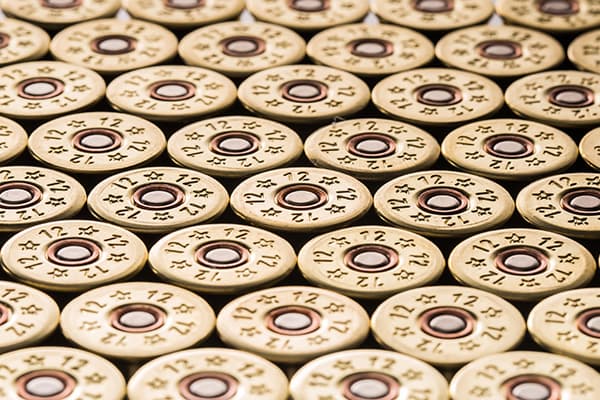
Most people connect asbestos exposure to shipyards, construction sites and old insulation. Few would think to look inside a box of shotgun shells. But a Delaware jury awarded $9 million to the family of a hunter who died of mesothelioma after 20 years of using Remington and Peters shotshells that contained chrysotile asbestos.
Although the United States has now banned the ongoing use of this type of asbestos, the verdict brought attention to an exposure source most people had never considered: asbestos inside vintage shotgun shells. Read on to learn where asbestos appeared in older ammunition, how exposure may occur and why this risk still matters.
Did Shotgun Shells Contain Asbestos?
Some shotgun shells made from the 1960s into the 1980s contained asbestos. Patents from this time describe asbestos use in internal components, including base and cartridge wadding. In some Remington and Peters shells, asbestos fibers helped improve fire resistance and strength. Historical documents show this was an intentional design choice.
Which Companies Are Linked to Asbestos Shotshells?
Evidence in the Delaware case linked asbestos-containing shells to Remington Arms (now Sporting Goods Properties Inc.), Peters Cartridge Company and DuPont (an offshoot of E.I. du Pont de Nemours). Reporting has not identified credible evidence that other major ammunition brands used asbestos in their shells.
What Did the Delaware Case Reveal?
The Delaware case added new details about how asbestos was used in certain Remington shotshells and how it may have exposed shooters:
- Experts test-fired vintage shells and detected hundreds of thousands of asbestos fibers within inches of a shooter’s breathing zone.
- The boxes did not warn consumers about asbestos in the shells.
The Environmental Protection Agency (EPA) mentioned ammunition shell wadding in a proposed rule in 1979 targeting asbestos consumer products. Reporting suggests Remington removed asbestos from its shotshells not long after.
Could Other Hunters Have Been Exposed?
Many hunters and sport shooters may not connect past ammunition use with possible asbestos exposure. Exposure could have happened through firing shells, handling older shells during hunting or target shooting, and reloading or working with vintage ammunition.
For gun owners and collectors, the case highlights a few practical points:
- Asbestos use appears tied to specific brands and time periods.
- Some shells from that era were widely sold and produced in large numbers.
- The material was hidden inside the shell and was not visible.
What if You Find Vintage Shotgun Shells?
Older ammunition can still turn up in places like basements, estates, garages and gun collections. If you find Remington or Peters shells from the 1960s – 1980s, the safest approach is to leave them undisturbed. Some additional asbestos safety steps include:
- Do not fire, cut or dismantle the shell.
- Do not throw ammunition in household trash.
- Do not vacuum debris from a damaged shell.
You can contact local non-emergency services, a gun range or a household hazardous waste program for disposal guidance. If a shell has ruptured indoors, it's a good idea to leave the area and consult with an accredited asbestos professional.
How Can Asbestos Shotgun Shells Lead to Mesothelioma?
Asbestos becomes dangerous when disturbed. When a shell fires, heat and pressure can damage internal materials. Reporting indicates that firing a shell can release hundreds of thousands of microscopic asbestos fibers into the air near the shooter. Fibers that settle on clothing or gear can also be carried home, leading to secondary exposure.
What Happens After Asbestos Exposure?
Asbestos fibers are small enough to be breathed deep into the lungs. They can travel and settle in the lining of the lungs, as well as the linings of the abdomen, heart or testicles. Over time, this can cause inflammation and scarring. In some people, this damage can lead to mesothelioma, lung cancer or asbestosis. These diseases often develop over a decade after exposure.
What Does This Mean for You?
The Delaware verdict brought attention to an exposure source many people did not know existed. Consider sharing what you’ve learned with other hunters, shooters and collectors. Awareness can help people recognize vintage shells that may carry risk and handle them more safely.


Free Mesothelioma Treatment Guide


Tara Strand specializes in writing content about mesothelioma and asbestos. She focuses on topics like mesothelioma awareness, research, treatment, asbestos trust funds and other advocacy efforts.