Mesothelioma in Queens, New York

Queens, New York, residents may be at risk for developing mesothelioma after asbestos exposure at various local sites. For instance, asbestos products were often used during the construction of airports. As a result, workers may have been exposed to asbestos. Queens mesothelioma victims can find treatment and legal resources below.
Learn More About Asbestos and Mesothelioma in Queens

Queens, New York Mesothelioma Treatment
Mesothelioma patients in Queens may seek treatment at one of several cancer centers nearby. Mesothelioma is a rare disease. As such, it is important that patients consult with a mesothelioma specialist who has expertise in treating this type of cancer.
Mesothelioma cancer centers near Queens offer patients personalized treatment plans. Doctors will determine treatment options based on the tumor location and stage of cancer at the time of diagnosis and any other coexisting conditions.
Cancer Centers for Mesothelioma Serving Queens, New York
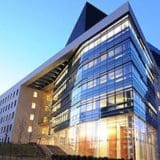
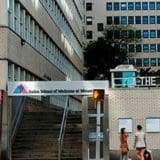
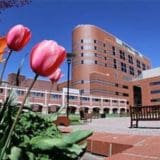
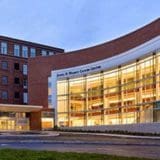
Numerous mesothelioma treatment centers are located in and around Queens. For instance, the NYU Langone Medical Center has offices on Long Island and in New York City. This center provides its patients with a range of treatment options. Doctors here specialize in surgery, chemotherapy and other therapies for mesothelioma.
New York Mesothelioma Cancer Clinics





Queens, New York Mesothelioma Doctors
Mesothelioma patients in Queens should find a specialized mesothelioma doctor for treatment. Because this disease is rare, it is important to seek care from a dedicated mesothelioma doctor. These professionals have experience in the diagnosis and management of the disease and can help patients improve their prognosis.
Mesothelioma doctors will use several factors, including type of mesothelioma and stage of mesothelioma, to determine an individual’s treatment plan. Doctors may pursue individual treatments or a combination of therapies known as multimodal therapy. Mesothelioma specialists may also suggest enrolling patients in clinical trials.
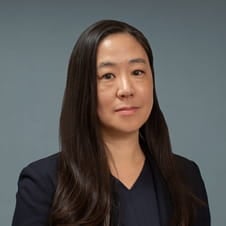
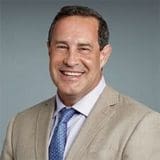
New York Mesothelioma Doctors











Queens, New York Mesothelioma Lawsuits
Mesothelioma victims in Queens may have rights to financial compensation. Victims may receive compensation through asbestos lawsuits, bankruptcy claims or other legal actions. Compensation can help families pay for medical treatments, as well as other expenses. These expenses may include pain and suffering, lost wages and funeral costs. It’s important for Queens residents to seek experienced legal representation. Victims should seek an asbestos law firm with a proven track record for handling mesothelioma lawsuits.
Finding a Lawyer or Law Firm in Queens, New York
Experienced mesothelioma law firms have secured millions of dollars in settlements for their clients in Queens. Mesothelioma lawyers can help determine the best legal option for individual cases. For instance, victims may be eligible to file a lawsuit against negligent asbestos companies.
If you were exposed to asbestos in New York at a commercial, residential or military site and have been diagnosed with mesothelioma, you may be entitled to compensation. Compensation received from lawsuits or claims can help patients cover medical costs. This compensation can also provide financial security against lost income.




Deadlines for Filing Mesothelioma Lawsuits in Queens, New York
New York mesothelioma lawyers can help victims in Queens with their lawsuit, which includes explaining statutes of limitations. For instance, those pursuing a mesothelioma lawsuit have deadlines for filing after a mesothelioma diagnosis or wrongful death.
Claims must be filed within 3 years after an asbestos-related diagnosis.
Claims must be filed within 2 years after an asbestos-related death.
Mesothelioma victims in Queens may also have other compensation options, such as an asbestos trust fund claim or a VA claim. Experienced lawyers can explain eligibility for the type of claims and handle the filing process for victims.
For instance, mesothelioma lawyers helped the following victims in Queens secure compensation:
Age: 61
Occupation: Steamfitter
Jobsites Worked at: Lefrak City (1972 – 1987)
Settlement: ~$2,922,940
Age: 71
Occupation: Construction worker
Jobsites Worked at: Pepsi Cola (1957 – 1969)
Settlement: ~$1,905,467
Age: 51
Occupations: Mechanic, Construction worker
Jobsites Worked at: Devco Management Corporation (1977 – 1978)
Settlement: ~$1,390,453
Age: 86
Occupations: Army worker, Laborer
Jobsites Worked at: Emek (1962)
Settlement: ~$994,130
Asbestos Use in Queens, New York
As with all five boroughs of New York City, Queens has a strong industrial history. Construction and renovation are part of the heavy industry that prospers in the city. Office buildings, schools and apartment complexes constructed prior to the 1970s may contain asbestos products.
Additionally, two major airports were built in the city of Queens, including LaGuardia Airport and John F. Kennedy International Airport. Asbestos products were used during the construction of these airport facilities. Aircraft mechanics also used airplane components that contained asbestos, putting them at risk for exposure. Exposure to asbestos-containing products put these airport employees at risk of developing asbestos-related illnesses, such as mesothelioma.
| Gender | Number of Deaths |
|---|---|
| Male | 167 |
| Female | 48 |
Asbestos Exposure at Airports in Queens, New York
In 1943, construction of New York International Airport began. In the 1960s, it was the second most used airport in the United States and was renamed John F. Kennedy International Airport. It is the main international airport serving New York City today.
Asbestos was widely used during the construction of various terminals, hangars, boiler facilities, the on-site power plant and other structures at JFK International Airport. The mineral provided insulation and fire resistance to the structures and heat systems. However, workers completing any maintenance and repairs in these areas may have been exposed to asbestos products.
During a three-month renovation of the International Arrivals Building at the JFK International Airport in 1986, workers disturbed asbestos materials and exposed employees and travelers to dangerous levels of asbestos. While the building was gutted, plumbers and other workers disturbed asbestos insulation in the pipes throughout the ceilings and walls. Dust removed from the air vents following the renovation process contained 10% asbestos fibers. This asbestos-containing dust continued to circulate through the ventilation system in the building, exposing people to the toxic fibers.
Commercial and military aircraft mechanics were also at risk of asbestos exposure while servicing aircraft. Before the 1980s, aircraft parts, including brake pads, valves and gaskets, were manufactured using asbestos for heat and friction resistance. When aircraft mechanics installed or removed these parts, they were exposed to asbestos.
Additionally, when employees of JFK International Airport or LaGuardia Airport in Queens performed aircraft maintenance and repair work, they were at risk of asbestos exposure. Mechanics used asbestos blankets for heat resistance while working with engines. Other workers who installed the insulation around engines and electrical components risked exposure to asbestos products. This exposure put them at an increased risk of developing an asbestos-related illness, including mesothelioma.
Multiple viable bankruptcy trusts recognize the JFK International Airport as a jobsite known to have asbestos. Employees of the airport may have had exposure to these asbestos products. Individuals who have been diagnosed with mesothelioma and were exposed to asbestos at JFK International Airport during specific time frames may be eligible for compensation.
Queens, New York Jobsites Where Asbestos Exposure Occurred
- American Airline Passenger Terminal Building
- Beach Channel Drive High School
- Bell Telephone Company
- Brian Piccolo High School
- Central Repair Shop & Garage
- Charles Poletti Power Project
- Con Edison Astoria Powerhouse
- Con Edison Ravenswood Powerhouse
- Con Edison Waterside Powerhouse
- Con Edison, Inc.
- Creedmoor Psychiatric Center
- Creedmoor State Hospital
- ExxonMobil, Inip Drive
- Fresh Meadows Housing Project
- Helmsley-Spear Hospitality Services, Inc.
- Idlewild Airport
- Interborough Rapid Transit Company
- Jamaica Water Supply Company
- John F. Kennedy International Airport
- LaGuardia Airport
- LeFrak City
- Malmed Realty Corporation
- Meadowbrook Hospital
- Neponset Nursing Home
- New York Housing Authority
- Peninsula General Hospital
- Phelps Dodge Copper Plant
- Public Housing Administration
- Queens Family Court
- Saint John's Hospital
- Saint Joseph's Hospital
- St. John's University
- St. Matthias Church
- Stella Maris Catholic School
Sources
Backes A. History of New York’s John F. Kennedy International Airport. Classic New York History. January 2020.
Bianchi C and Bianchi T. Aircraft maintenance and mesothelioma. Indian Journal of Occupational and Environmental Medicine. January-April 2010;14(1):24. doi: 10.4103/0019-5278.64613
Centers for Disease Control and Prevention. About Underlying Cause of Death, 1999-2020. CDC Wonder Online Database.
Groot M. The History of JFK Airport: Grand Designs. A Visual History of the World’s Great Airports. Updated December 2020.
Union Says Many Were Exposed to Asbestos at Kennedy Airport. The New York Times. May 1988.
Financial Assistance for Mesothelioma Patients


 Legally
Reviewed by
Jennifer Lucarelli
Mesothelioma Lawyer and Legal Advisor
Legally
Reviewed by
Jennifer Lucarelli
Mesothelioma Lawyer and Legal Advisor
For more than two decades, Jennifer Lucarelli has served as Legal Advisor at Mesothelioma.com. She has advocated for more than 1,000 asbestos victims, securing millions in settlements and helping them access quality medical care.