Learn About Who We Are
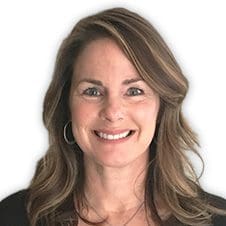
Since 1996, Mesothelioma.com has been dedicated to helping those impacted by mesothelioma. We are committed to providing the latest medical information, spreading awareness about the dangers of asbestos and helping patients and their families connect with treatment and legal resources.
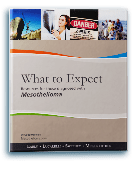
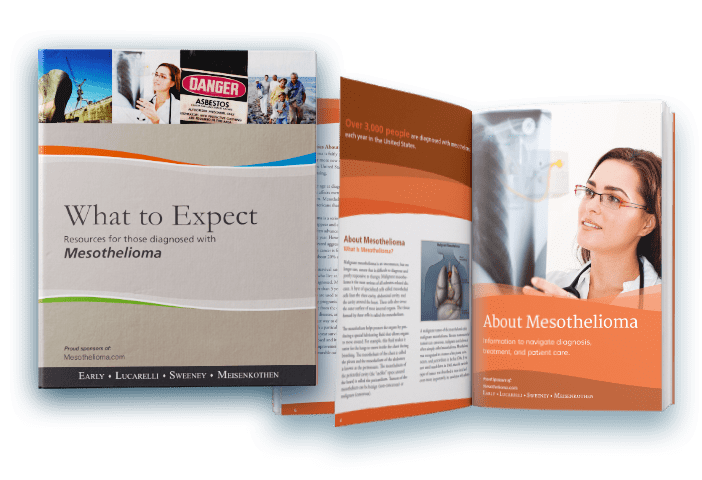
Request a Free 2026 Mesothelioma Guide
How We Help
 We are an experienced team of caring advocates for mesothelioma victims. For 30 years, we’ve been helping patients and their families connect with medical experts, top-rated cancer centers and survivors. We also connect patients with top mesothelioma lawyers who can help secure financial assistance. The information and resources on our site are free to all visitors.
Featured Media Outlets & Publications
Our Community Outreach Team works with a broad range of media outlets — from major newspapers to niche influential bloggers — to spread mesothelioma awareness. A handful of the many articles written about us have appeared in:


Certified by the American Accreditation Commission International
The American Accreditation Commission International (AACI) provides certification of health-related websites. This certification requires a website to meet a list of standards aimed at ensuring the quality, objectivity and transparency of its content. AACI provides certification to help make the latest relevant medical information available on the internet.
AACI has certified Mesothelioma.com as meeting these standards. This certification demonstrates our dedication to providing high-quality, objective, transparent information to all site visitors.
Meet Our Team
Our team brings together medical experts, editorial professionals and mesothelioma survivors with decades of experience. Everything we publish undergoes rigorous fact-checking and a comprehensive medical review, so you know you’re getting the most trustworthy information available. We’re here to provide support and share our expertise with the mesothelioma community.
Medical Experts
Experienced in diagnosing and treating mesothelioma, our team of medical experts has assisted in writing and reviewing our content. Our medical reviewers offer their expertise and insight into the latest mesothelioma research.

Dr. Raphael Bueno is the Chief of the Division of Thoracic and Cardiac Surgery at Brigham and Women’s Hospital, the leader of the International Mesothelioma Program and a professor of surgery at Harvard Medical School.
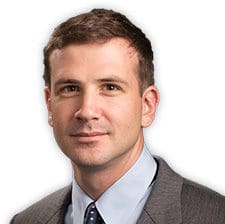
Dr. Francis Perry Wilson is the Director of the Clinical and Translational Research Accelerator at the Yale University School of Medicine. He specializes in nephrology and clinical research.
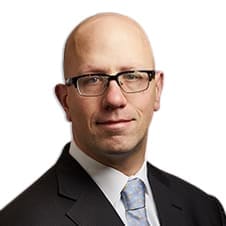
Dr. Vincent Mase is a Board-Certified Thoracic Surgeon at Smilow Cancer Hospital and a professor at the Yale University School of Medicine. He specializes in surgery for lung cancer.
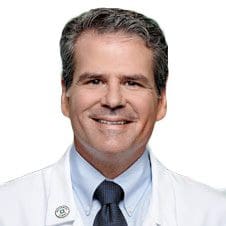
Dr. James Stevenson is a Board-Certified Medical Oncologist. He specializes in treating mesothelioma and lung cancer and practices at the Cleveland Clinic in Cleveland, Ohio.
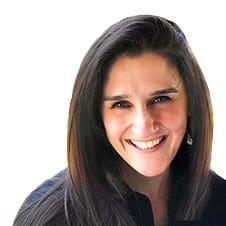
Katy Moncivais, Ph.D., has more than 15 years of experience as a medical communicator. As the Medical Editor at Mesothelioma.com, she ensures our pages and posts present accurate, helpful information.
Editorial Team
Our team of writers and researchers is dedicated to providing informative, comprehensive content for mesothelioma patients, families and caregivers. We also help connect victims with medical and legal resources.
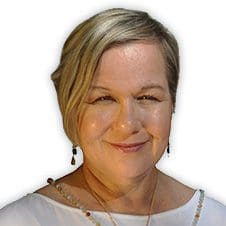
Linda has spent more than 15 years helping and advocating for asbestos victims. By overseeing all content on Mesothelioma.com, she strives to help patients and their families however possible.

Liza Adelberg has more than 20 years of experience in marketing and communications. At Mesothelioma.com, she creates clear, compassionate resources for patients and families affected by asbestos-related diseases.

Heather Von St. James is a 20-year mesothelioma survivor who advocates for patients and a ban on asbestos.
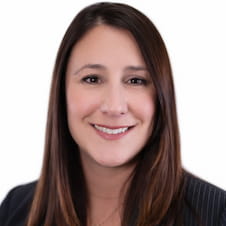
Amy Zappone brings nearly two decades of experience in education and research-based communication. At Mesothelioma.com, she translates complex topics into understandable resources that help patients and families make informed decisions.
Tara Strand specializes in writing content about mesothelioma and asbestos. She focuses on topics like mesothelioma awareness, research, treatment, asbestos trust funds and other advocacy efforts.

Lauren Serafin has years of experience writing about asbestos and mesothelioma. She stays up to date on the latest research and treatments.
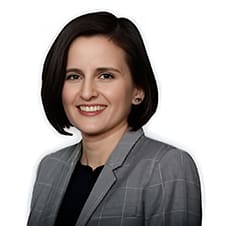
Sara Madden is a Senior Content Writer who specializes in covering mesothelioma and asbestos. She advocates for veterans by providing information on the latest treatments and sources of asbestos.
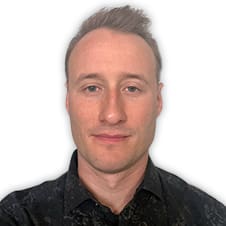
Chris is a wellness practitioner with experience as a yoga and music instructor. He supports mesothelioma patients in understanding complementary therapies during their cancer journey.

Melanie Radliff writes content that aims to support mesothelioma patients’ physical and emotional well-being. She specializes in topics like mind-body practices, self-care, lifestyle and nutrition.

Tonya has nearly a decade of experience writing about asbestos and the diseases it causes. She is passionate about helping mesothelioma patients and their loved ones get the support they need.
Mesothelioma Support Team
Our mesothelioma support team has a combined 60 years’ experience helping asbestos victims navigate their mesothelioma diagnosis. Our compassionate and caring advisors can connect you with reliable resources to help you through a challenging time.
Some of the services we offer include help with filing VA claims and finding top mesothelioma doctors and cancer centers. We can also help you secure legal representation to pursue financial assistance which can cover medical and travel expenses, lost wages and more.

Kyle Navin is a Veteran Support Director and Legal Advisor for Mesothelioma.com. His legal practice focuses on asbestos bankruptcy claims and helping veterans access disability benefits.
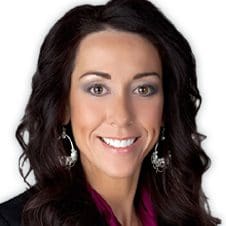
For more than two decades, Jennifer Lucarelli has served as Legal Advisor at Mesothelioma.com. She has advocated for more than 1,000 asbestos victims, securing millions in settlements and helping them access quality medical care.

David Rinaldi is a Patient Support Coordinator for Mesothelioma.com. After a 20-year career as a science teacher, he uses his expertise in science and community service to help mesothelioma victims.

Cara Esposito is a Nurse and Patient Advocate for Mesothelioma.com. Since 2005, she has championed patient advocacy, guiding families through complex care journeys with compassion.

Kim McDonald is a Patient Support Coordinator for Mesothelioma.com. For over 40 years, she has helped mesothelioma patients and their families find trusted resources, understand their options and get the support they need.
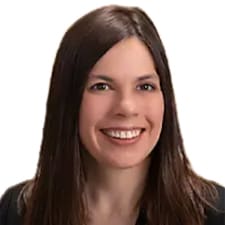
Annette Charlevois is a Patient Support Coordinator for Mesothelioma.com. For more than 20 years, she has helped thousands of mesothelioma patients and their families get the assistance they need.
Legal Contributors
Our legal contributors provide helpful information about the latest developments in mesothelioma litigation, bankruptcy trust claims filing and more.

For more than three decades, David Halpern has litigated on behalf of mesothelioma victims in Pennsylvania. He also contributes articles to Mesothelioma.com, sharing his valuable legal insights.

Sara Salger is the Managing Partner at The Gori Law Firm. She has dedicated her career to fighting hard on behalf of mesothelioma victims. Sara shares her vast legal knowledge on Mesothelioma.com.

Chris Meisenkothen is a lawyer and contributor for Mesothelioma.com. He has helped hundreds of asbestos victims receive as much as $20 million in compensation.

Scott Frost is a lawyer and contributor for Mesothelioma.com. He practices in eight states and is a VA-accredited attorney. He has fought for asbestos disease victims for 25 years.

John P. Comerford is a lawyer and contributor for Mesothelioma.com. He has helped hundreds of victims of occupational injuries receive compensation.
We Support These Organizations
Mesothelioma.com is part of the larger community dedicated to promoting mesothelioma research and preventing new cases through a worldwide asbestos ban. We work with and donate to the following organizations whose missions complement our own.


Events for Those Affected by Mesothelioma
Some organizations hold mesothelioma events to garner support for victims, raise awareness and fundraise for important research. Many events have virtual components to make it easy for patients and their loved ones around the country to attend.
Additionally, mesothelioma and asbestos disease medical conferences help doctors and researchers share the latest findings. Patients can attend these events to learn more about emerging treatment options and find support.


Mesothelioma Scholarship
 Every fall semester, Mesothelioma.com awards $4,000 to a student whose life has been impacted by cancer. This scholarship helps those who have had cancer, or had a close relative diagnosed with cancer, by reducing the financial burden of pursuing a degree.
Testimonials for Mesothelioma.com
Mesothelioma.com is dedicated to raising awareness about the dangers of asbestos and mesothelioma. Hear what some individuals from the community have said about us.
Mesothelioma.com has been a great source of information through the great articles from health care providers and patients. I am so thankful to be able to access their resources and be able to guide family and friends to this wonderful website.
Whenever I have had questions to be answered, I could (and can) count on prompt answers by calling the person with whom I have had the most contact, Jennifer Lucarelli. She has always treated me like a life-long friend.
Contact Our Team
We are here to answer your questions. Contact us by phone, email or mail. Our team will work tirelessly to connect you with the information, support and resources you deserve.
Contact Us TodayPhone: 1-203-265-2424
Fax: 1-203-269-4914
Email: [email protected]
By Mail:
35 Thorpe Avenue, Suite 101
Wallingford, CT 06492
Free Mesothelioma Treatment Guide
Tara Strand specializes in writing content about mesothelioma and asbestos. She focuses on topics like mesothelioma awareness, research, treatment, asbestos trust funds and other advocacy efforts.