01. Asbestos Use in Felt
Why Was Asbestos Used in Felt?
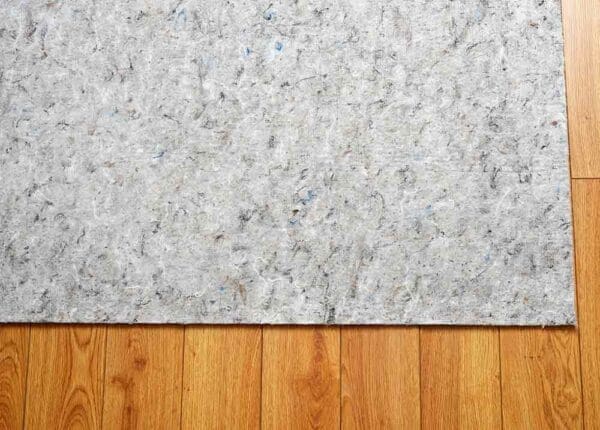
Asbestos was used in felt products for added heat resistance and durability. Felt is produced by matting and pressing fibers together to form a dense and flexible material.
Heavy-duty felts are often used in construction to provide an extra level of insulation or protection. Asbestos fibers were common in felt products from the early 1900s to the early 1990s.
Asbestos Felt History at a Glance
- Other Names: Base sheet, built-up roof membrane, coated base sheet, cold-process roofing, dryer felt, underlayment
- Years of Manufacture: Early 1900s – Early 1990s
- Military Use: Barracks, buildings
- Places Used: Businesses, flooring, homes, roofing, paper mills
- Asbestos Use Banned: Partial; asbestos felt flooring is banned
- Noteworthy Brands: Bird Corporation, Congoleum Corporation, Johns-Manville Corporation, Pittsburgh Corning
Asbestos felt was often used as an underlayment for floors and roofs. Underlayment provides cushion, insulation and a second layer of protection.
In some instances, the felt underlayment and top material contained asbestos. For example, asbestos tiles were common for flooring, ceiling and wall treatments.
Many companies incorporated asbestos into felt roofing products. These asbestos products fell into two categories:
- Asphalt roofing shingles
- Roofing underlayments
Roofing underlayments are often called vapor barriers because they prevent interior moisture from damaging roofing materials.
One of the first asbestos roofing felt products was Bird Corporation’s felt-based asphalt roofing, developed in the late 1800s. This dense felt contained asbestos fibers and was coated with mineral grit. Various sizes and weights were manufactured for nearly a century.
National Emission Standards for Hazardous Air Pollutants (NESHAP) data shows asbestos felt roofing typically contained 85% chrysotile asbestos.
Asbestos felts were manufactured in these various forms throughout the 20th century. Changing asbestos regulations in the 1980s began to curb use. By the mid-1980s, asbestos was discontinued in most flooring and roofing products.
There is no comprehensive asbestos ban in the United States. However, some products are banned, while others are restricted under Environmental Protection Agency (EPA) usage laws. The EPA’s 1989 Asbestos: Manufacture, Importation, Processing, and Distribution in Commerce Prohibitions rule banned the use of several products, including flooring felt.
However, products already manufactured may have circulated for years after the ban. In addition, any individual exposed to already-installed asbestos products may be vulnerable to disease. Exposure to asbestos may lead to diseases such as mesothelioma.
Dangers of Asbestos in Felt
Asbestos exposure may lead to mesothelioma and other diseases. These conditions may develop when individuals inhale or ingest asbestos fibers. This often happens when asbestos-containing products are disturbed, releasing microscopic fibers into the air.
Research shows asbestos fibers were released during the application and sanding of asbestos roofing products, including felt. Scientists simulated exposure levels by installing and grinding these products in a controlled environment and measuring asbestos dust levels in the air. They found 33% of the air samples contained chrysotile asbestos fibers.
Any level of asbestos exposure can lead to asbestos lung cancer, asbestosis or mesothelioma. However, consistent and elevated levels of exposure are more likely to have long-term effects.

02. List of Asbestos Felt Products
List of Asbestos Felt Products
Many asbestos companies manufactured, sold and installed asbestos felt products. Highly used asbestos felt products may be more commonly known by their brand names. Click below to see notable brands of asbestos felt and their associated producers:
Below are several examples of large manufacturers. However, the list does not account for many installers of asbestos products.
Employees of these companies may have been exposed to asbestos during the manufacturing process. This exposure may lead to the development of asbestos diseases, including mesothelioma.
03. Felt & Asbestos Exposure
Who Is at Risk of Asbestos Exposure From Felt: Roofing and Flooring?
Many individuals may have been at risk of asbestos exposure due to felt products. One of the most common types of exposure is occupational asbestos exposure. This occurs when professionals are exposed to asbestos on the job.
Asbestos felt was used in large concentrations in roofing and flooring, putting many construction professionals at risk. It was also commonly used in conjunction with asbestos cement, asbestos tiles and asbestos paper. These products together compounded their respective exposure risks.
In 1994, the National Roofers Contractors Association (NRCA) estimated 20% of roofing felts and 90% of coatings, cements and mastics on commercial low-sloped roof jobs contained asbestos. This use of asbestos potentially exposed thousands of roofers to the mineral.
Many other individuals were also at risk of exposure from asbestos building materials. This includes flooring installers, renovation workers and demolition crews.
While professionals worked with and around asbestos products, they were not the only individuals at risk. Homeowners and residents were also at risk from asbestos use in the home. Even low levels of exposure to asbestos felt can lead to serious health concerns.
04. Asbestos Lawsuits
Asbestos Lawsuits, Settlements & Other Compensation
Individuals with an asbestos disease may be eligible for compensation. Compensation for asbestos diseases may come in the form of:
Asbestos victims wishing to file a claim should contact a mesothelioma attorney. Experienced lawyers can help victims determine their eligibility and guide them through the mesothelioma claims process.
Compensation Following Exposure From Asbestos Felt
Asbestos felt lawsuits can result in sizable compensation awards. Many involve more than one defendant.
Individuals wishing to seek compensation should contact a mesothelioma lawyer.