Asbestos Exposure at Shipyards

Shipyards are one of the jobsites associated with high levels of asbestos exposure. Asbestos was used frequently throughout ships, equipment and products used at shipyards. Shipyard workers and members of the U.S. Navy faced asbestos exposure at shipyards and, as a result, are at high risk for mesothelioma.
Learn More About Shipyard Asbestos Exposure
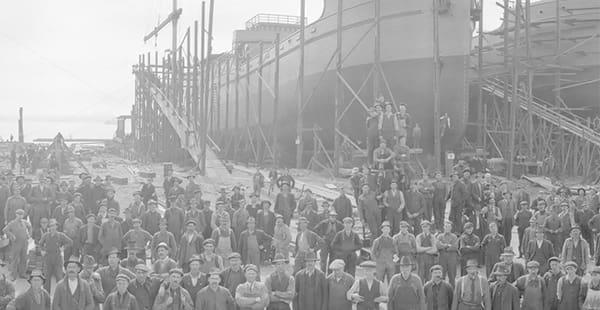
Asbestos Use at Shipyards
Before the dangers of asbestos were widely known, it was considered a cheap, reliable solution for durability, heat resistance and fireproofing in the shipbuilding industry. American warships and other naval vessels operate with many high-heat pieces of equipment. The boilers, turbines, pumps, incinerators and other heavy-duty equipment in these ships often relied on asbestos for safe, long-term use.
Asbestos insulation was also used throughout ship walls and within boiler rooms. The pipe coverings and pipe linings of steam pipes and water pipes also contained asbestos insulation. This allowed materials to withstand high temperatures without catching fire.
Vessels frequently underwent construction and repairs at shipyards. This maintenance often caused wear and tear or damage to asbestos materials. As a result, asbestos fibers easily became airborne, posing a risk of asbestos exposure to workers.
- Alabama
- Alaska
- California
- Connecticut
- Florida
- Hawaii
- Louisiana
- Maine
- Maryland
- Massachusetts
- Michigan
- Mississippi
- New Hampshire
- New Jersey
- New York
- Ohio
- Oregon
- Pennsylvania
- Rhode Island
- South Carolina
- Texas
- Virginia
- Washington
- Washington, D.C.
Asbestos exposure below deck was especially dangerous due to poor ventilation. This allowed asbestos dust to collect in small areas, making the fibers even more concentrated and leading to a higher risk of exposure.
From the 1930s to the 1980s, veterans and shipyard workers faced frequent exposure at shipyards. There are shipyards with a high potential of asbestos exposure across the country and exposures may continue due to use of older ships.
Questions About Shipyard Asbestos Exposure? Ask experienced mesothelioma advocate Jennifer Lucarelli Ask a Question
Alabama Shipyards With Asbestos Exposure
Many shipyards in Alabama may have exposed workers to asbestos, such as Alabama Dry Dock & Shipyard Company and Bender Shipbuilding.
Today, exposure may still occur at these locations when ships built before 1980 are worked on. The following shipyards in Alabama may have exposed workers and veterans to asbestos:
- ADDSCO Shipyard, also known as Alabama Dry Dock & Shipyard Company or Alabama Drydock
- Bender Shipbuilding & Repair Co., Inc.
- Bethlehem Steel Shipyard
- Gulf Ship Building Company
California Shipyards With Asbestos Exposure
California shipyards may have exposed veterans and civilian workers to asbestos. California has one of the largest coastlines in the country. As a result, various shipyards and shipbuilding companies formed in the state. Many of these shipyards relied on asbestos materials. Exposure at California shipyards, such as Hunters Point Naval Shipyard, was most likely to occur before 1980. Today, exposure may still occur at shipyards in California if workers service older ships or use aging equipment.
The following shipyards in California may have exposed workers and veterans to asbestos:
- Bethlehem Steel Shipyard – San Francisco
- Bethlehem Steel Shipyard – Terminal Island
- Consolidated Steel Shipyard
- Hunters Point Naval Shipyard
- Kaiser Shipyard
- Long Beach Naval Shipyard
- Mare Island Naval Shipyard
- Moore Dry Dock Company
- NASSCO (National Steel and Shipbuilding Co.)
- Naval Base San Diego
- Richmond Shipyard
- Rough & Ready Island
- San Francisco Dry Dock Company
- Todd Shipyard
- Treasure Island Naval Station, also known as Treasure Island Naval Reserve
- U. S. Naval Station
Connecticut Shipyards With Asbestos Exposure
Shipyards in Connecticut may have exposed Navy veterans and other shipyard workers to asbestos. Exposure at Connecticut shipyards includes General Dynamics Electric Boat, Thames Shipyard and Naval Submarine Base New London. Workers at these shipyards were most at risk between the 1930s and 1980.
Connecticut shipyards that posed asbestos exposure risks include:
- General Dynamics Electric Boat
- Thames Shipyard
- Naval Submarine Base New London
Florida Shipyards With Asbestos Exposure
Florida shipyards may have exposed veterans and other workers to asbestos. The state offers a large coastal area, making the state home to various shipyards and shipbuilding companies. Those working or serving at these shipyards were most at risk before 1980. Many of these workers have been diagnosed with mesothelioma and could be eligible for financial assistance by consulting with a Florida mesothelioma lawyer. Today, shipyard workers may still experience occupational asbestos exposure when maintaining or decommissioning older ships at the following shipyards:
- Atlantic Dry Dock
- Bellinger Shipyard
- Gulf Marine Repair
- Hendry Corporation
- Hooker’s Point Yard
- Mayport Naval Station
- Offshore Shipbuilding
- Pensacola Naval Air Station
- Tampa Bay Shipbuilding
Hawaii Shipyards With Asbestos Exposure
The Hawaiian Island of Oahu is the location of Pearl Harbor Naval Shipyard, which was known to use asbestos. The shipyard was established in 1908 and has employed thousands of workers over the years. Those working or serving at Pearl Harbor Naval Shipyard were most at risk before 1980. However, shipyard workers may still experience occupational asbestos exposure if working on older ships at the shipyard.
Louisiana Shipyards With Asbestos Exposure
As a coastal state, many shipyards and ship construction jobsites developed in Louisiana. Shipyards in the state of Louisiana may have exposed veterans and other workers to asbestos. Service men or women and civilians working at these shipyards were most at risk before 1980. However, workers may still face asbestos exposure from older ships at the following shipyards:
- Avondale Shipyards Inc. – Baton Rouge
- Avondale Shipyards Inc. – Westwego
- Avondale Shipyards, Inc.
- Avondale Shipyards, Inc. – Algiers
- Avondale Shipyards, Inc. – New Orleans
- Bollinger Shipyard
- Conrad Industries
Maine Shipyards With Asbestos Exposure
Shipyards in Maine may have exposed workers to asbestos. Service personnel and civilians working at the Bath Iron Works Corporation and the Portsmouth Naval Shipyard risked asbestos exposure. For instance, Portsmouth Naval Shipyard began operating in 1800 and used asbestos for much of its history. The shipyard employed thousands of workers, who predominantly risked exposure before 1980. However, workers may still face exposure from older ships at the Maine shipyards.
Massachusetts Shipyards With Asbestos Exposure
Shipyards in Massachusetts may have caused asbestos exposure among the military and civilian workers. Those working or serving at Massachusetts shipyards were most at risk prior to 1980. For instance, the Boston Navy Yard was established in 1800 and closed in 1974. Throughout many of its years of operation, thousands of employees at the shipyard risked asbestos exposure. Workers may still face asbestos exposure from older ships at the following shipyards in the state:
- Bethlehem Hingham Shipyard
- Boston Navy Yard
- Charlestown Navy Yard
- Fore River Shipyard
- General Ship Corporation
Michigan Shipyards With Asbestos Exposure
The Defoe Shipyard in Michigan may have caused exposure to asbestos among military and civilian workers. Those working at the shipyard before the 1980s were most at risk. However, workers may still face exposure to the mineral from older ships at Defoe Shipyard.
Mississippi Shipyards With Asbestos Exposure
Mississippi shipyards may have caused exposure to asbestos among military and civilian workers. For example, Ingalls Shipyard formed in 1938 and still operates today. From the time of the shipyard’s founding until the 1980s, asbestos was heavily used in shipbuilding. As a result, those working at shipyards in the state until the 1980s were most at risk. However, workers may still experience exposure to asbestos from older ships and/or equipment at the following Mississippi shipyards:
- Ingalls Shipyard
- Naval Station Pascagoula
- Trinity Marine Group
New Hampshire Shipyards With Asbestos Exposure
The Portsmouth Naval Shipyard, just across the harbor from Portsmouth, New Hampshire, may have caused exposure to asbestos among military and civilian workers. Those working there before the 1980s were most at risk. However, workers may still face exposure to the mineral from older ships at the shipyard.
New Jersey Shipyards With Asbestos Exposure
New Jersey shipyards in Camden, Burlington and Hoboken may have caused exposure to asbestos. Military and civilian workers stationed or working at shipyards in New Jersey until the 1980s were most at risk. However, workers may still face exposure to asbestos from older ships and equipment at the following shipyards in the state:
- New York Shipbuilding Corporation
- New York Shipbuilding – Burlington
- Todd Shipyard
New York Shipyards With Asbestos Exposure
Shipyards in New York may have exposed military and civilian workers to asbestos. For example, the Brooklyn Navy Yard was a bustling military shipyard from the 1800s until 1966. Throughout these years, thousands of employees worked at the shipyard and risked exposure to asbestos materials. Those working at shipyards in New York before the 1980s were most at risk of occupational asbestos exposure. However, workers may still be exposed to asbestos from older ships or equipment at the following shipyards in New York:
- Bethlehem Steel Shipyard
- Brooklyn Navy Yard
- Caddell Dry Dock & Repair Company, Inc.
- GMD Shipyard
- Todd Shipyards Corporation
Oregon Shipyards With Asbestos Exposure
Oregon was a prominent location for shipyards as a coastal state. Various Oregon shipyards may have exposed workers to asbestos. Those civilians working or members of the military serving at shipyards in Oregon before the 1980s were most at risk of occupational exposure. However, workers may still come in contact with asbestos from older ships and/or equipment at the following shipyards in Oregon:
- Albina Shipyards
- Astoria Marine Shipyard
- Cascade General Inc.
- Dyer Shipyard
- Northwest Marine Ironworks
- Portland Ship Repair Yard
- South Portland Shipyard and Marine Railways Corporation
- Swan Island Shipyard
- Tongue Point Naval Shipyard
- Willamette Shipyard
Pennsylvania Shipyards With Asbestos Exposure
Shipyards in the state of Pennsylvania may have exposed workers to asbestos. Pennsylvania shipyards such as the Philadelphia Naval Shipyard employed thousands of workers, particularly during war times. Civilians working or members of the military serving at shipyards in the state before the 1980s were most at risk of asbestos exposure. However, workers may still face asbestos exposure due to older ships and/or equipment at the following Pennsylvania shipyards.
- Penn Shipbuilding
- Philadelphia Naval Shipyard
- Sun Shipbuilding & Dry Dock Company
Rhode Island Shipyards With Asbestos Exposure
Naval Station Newport and Quonset Point Naval Station in Rhode Island may have exposed military and civilian workers to asbestos. Those working at these shipyards before the 1980s were most at risk of exposure. However, workers may still experience exposure from older ships at the Rhode Island shipyards.
South Carolina Shipyards With Asbestos Exposure
Shipyards in South Carolina may have exposed workers to asbestos. Those working at shipyards in the state before the 1980s were most at risk of exposure. However, asbestos exposure may still occur from older ships and/or equipment at the following South Carolina shipyards.
- Braswell Services Group
- Carolina Shipping Company
- Charleston Naval Base
- Detyens Shipyards, Inc.
Texas Shipyards With Asbestos Exposure
As a large coastal state with its border on the Gulf of Mexico, Texas became a prominent location for shipyards and shipbuilding jobsites. Shipyards in Texas may have exposed workers to asbestos. Those working or military personnel serving at Texas shipyards before the 1980s were most at risk of exposure. However, asbestos exposure may still occur from older ships and/or equipment at the following shipyards in the state:
- American Bridge Shipyard
- AMFELS Shipyard
- Barbas Cut Docks
- Bloodworth Shipyard
- Brown Shipbuilding Company
- Consolidated Shipyard
- Consolidated Steel Shipbuilding
- Galveston Docks
- Houston Shipyards
- Kane Shipbuilding
- Naval Station Ingleside
- Orange Shipbuilding Company
- Port Adams Shipyard
- Texas Boats of Freeport
- Todd Shipyards Corporation
Virginia Shipyards With Asbestos Exposure
Virginia shipyards may have exposed veterans and other workers to asbestos. Shipyards that used asbestos could be found in various cities, including Portsmouth, Newport News and Norfolk. Those working or serving at shipyards in the state before the 1980s were most at risk of exposure. However, asbestos exposure may still occur from older ships and/or equipment at the following Virginia shipyards:
- Colonna’s Shipyard
- Lyon Shipyard
- Naval Amphibious Base Little Creek
- Newport News Shipbuilding
- Norfolk Naval Shipyard
- Norfolk Ship Repair Company (NORSHIPCO)
Washington Shipyards With Asbestos Exposure
Shipyards in Washington may have exposed workers and veterans to asbestos. Shipyards in Seattle, Bremerton, Vancouver and other cities in Washington relied on asbestos materials. Individuals working or serving at shipyards in Washington before the 1980s were most at risk. However, workers may still face asbestos exposure from older ships and/or equipment at the following shipyards in the state:
- Bremerton Naval Shipyard
- Duwamish Shipyard
- Kaiser Shipyard
- Lake Union Drydock Company
- Lockheed Shipbuilding
- Naval Station Everett
- Puget Sound Bridge & Dredge Shipyard
- Puget Sound Naval Shipyard
- Tacoma Boatbuilding Company
- Todd Shipyards – Seattle
- Todd Shipyards Corp – Tacoma
- Vancouver Shipyard
- Voyage Repair Station – Port Angeles
The above states have some of the most notorious shipyards for asbestos exposure. Anyone previously employed at those shipyards should speak with a doctor about potential exposure.
Other States With Shipyards That Caused Asbestos Exposure
The states included below have also been noted for exposing shipyard workers and others to asbestos. Workers at these shipyards may be at risk of developing asbestos-related diseases:
- Alaska: Seward Marine Industrial Center and Seward Ship’s Drydock
- Maryland: Baltimore Marine Industries, Bethlehem Steel Sparrows Point Shipyard, Curtis Bay Shipyard and Key Highway Shipyard
- Ohio: The American Shipbuilding Company
- Washington, D.C.: The Washington Navy Yard
Shipyard Workers and Exposure Risk
From the 1930s to 1980, asbestos was used heavily in shipbuilding and related industries. During these years, thousands worked at shipyards and on ships. During war efforts, employment increased at shipyards across the country. Asbestos was relied on greatly during wartimes, as ships needed to be durable and fire-resistant during battle.
During the 1932 Depression, asbestos use in the United States totaled around 197 million pounds, annually. This tripled to around 633 million by 1937. During World War II, use of asbestos averaged 783 million pounds in the U.S. each year. More than 1,400 million pounds of asbestos were used by the early Cold War years, finally decreasing in the mid-1970s.
During wartime in particular, veterans and others faced a higher risk of developing an asbestos illness because of the heavy use of asbestos.
Navy veterans risked exposure when asbestos products were disturbed on the ship, especially when working below decks in close, poorly ventilated quarters. Current Navy members may experience asbestos exposure when working on aging ships in shipyards.
In addition to active Navy personnel and Navy veterans, there are many other civilians who have worked in shipyards. Shipyard trades at risk include:
- Shipbuilders
- Maintenance workers
- Repairmen
Shipbuilders came into contact with asbestos when using asbestos-containing construction materials.
Maintenance workers and repairmen have been exposed when repairing ships, boilers and other machinery onboard the ships. Risks of exposure persist today with old ships still in use or being maintained for historical purposes.
 Did You Know?
Mesothelioma claims for veterans often don't require examination by a VA doctor.
A pathology report is usually adequate to determine the disability status of the veteran.
Did You Know?
Mesothelioma claims for veterans often don't require examination by a VA doctor.
A pathology report is usually adequate to determine the disability status of the veteran.
Mesothelioma and Other Asbestos Diseases Among Shipyard Workers
Because of the heavy use of asbestos at shipyards, shipyard workers and Navy veterans are among the most at risk for asbestos diseases. Cases of asbestosis, lung cancer and asbestos cancer have been reported from shipyard workers and Navy veterans. Those who worked at shipyards also face a high risk of developing malignant mesothelioma.
After asbestos exposure, symptoms of mesothelioma and other asbestos diseases can take decades to present. As a result, many veterans are only just being diagnosed with the cancer, years after serving. Today, veterans still account for about one-third of all mesothelioma diagnoses.
Veterans exposed to asbestos while serving the country and stationed or working at shipyards may be eligible for U.S. Department of Veterans Affairs (VA) benefits. Mesothelioma lawyers can help veterans and their families file a lawsuit, disability claim or other VA claim.
Veterans may also receive mesothelioma treatment at a reduced or no cost through veteran treatment centers.
Veterans and other shipyard workers who believe they’ve experienced asbestos exposure at shipyards should speak with a mesothelioma doctor.
Lawsuits and Compensation From Shipyard Asbestos Exposure
Victims diagnosed with an asbestos disease due to work at shipyards may be eligible for compensation. A mesothelioma law firm can assist patients and their families in filing a lawsuit. Many victims have filed successful claims after exposure to asbestos at shipyards.
Bert Minton, 72, was awarded $25 million by a jury in his lawsuit against Exxon.
Minton developed mesothelioma after working on Exxon oil tankers.
Minton was a shipfitter on 17 Exxon commercial oil tankers and was a repair supervisor at Newport News Shipbuilding.
A 68-year-old claimant in San Jose, California, was exposed to asbestos while employed as a plant worker and shipyard worker. During their career, the claimant faced exposure at Bethlehem Steel Corporation, H & H Ship Service Company, M&O Ship Service Company and more.
The claimant later developed an asbestos disease and received more than $1.4 million in financial compensation.
Individuals exposed to asbestos at shipyards and their families by asbestos companies can pursue legal options to hold the responsible company liable.
Those currently working at shipyards across the United States should speak with their supervisors about potential asbestos exposure to mitigate future disease.
Sources
Claims Journal. SoCal Jury Orders N.J. Firm to Pay $5.2 Million in Asbestos Case.
Claims Journal. Virginia Man Wins $25M in Lawsuit Against Exxon.
Hedley-Whyte J, Milamed DR. Asbestos and Ship-Building: Fatal Consequences. Ulster Med J. 2008 Sep;77(3):191–200.
Selikoff IJ, Lilis R, Nicholson WJ. Asbestos Disease in United States Shipyards. Ann N Y Acad Sci. 1979;330:295–311.
Legal Rights for Mesothelioma Victims

Tara Strand specializes in writing content about mesothelioma and asbestos. She focuses on topics like mesothelioma awareness, research, treatment, asbestos trust funds and other advocacy efforts.

 Legally
Reviewed by
Jennifer Lucarelli
Mesothelioma Lawyer and Legal Advisor
Legally
Reviewed by
Jennifer Lucarelli
Mesothelioma Lawyer and Legal Advisor
For more than two decades, Jennifer Lucarelli has served as Legal Advisor at Mesothelioma.com. She has advocated for more than 1,000 asbestos victims, securing millions in settlements and helping them access quality medical care.