
Veterans With Mesothelioma

Veterans have faced a notable risk of asbestos exposure. The military widely used asbestos in ships, aircraft, vehicles, buildings and equipment. For veterans with mesothelioma, their diagnosis may be connected to military service. These patients may qualify for VA compensation and other benefits.
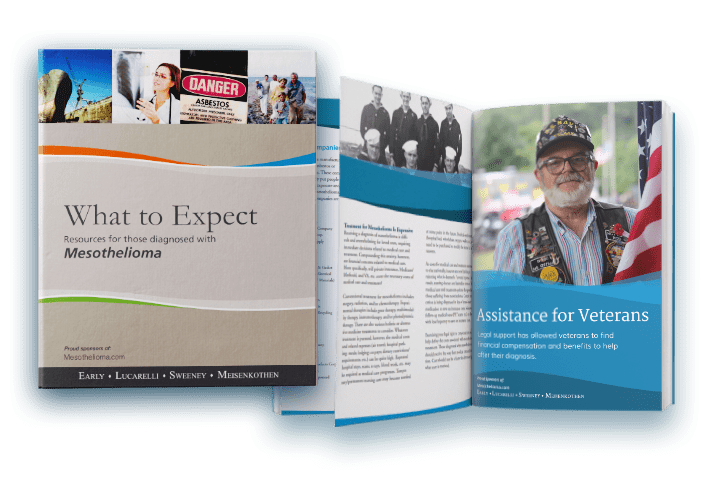
Assistance for Veterans Diagnosed With Mesothelioma
Military Asbestos Exposure and Mesothelioma
Asbestos was commonly used across U.S. military branches during the 20th century. The mineral was largely used for fireproofing, heat resistance and durability purposes. Widespread military asbestos use put veterans at risk for asbestos exposure, which is linked to diseases like mesothelioma.
Records show that veterans faced the highest asbestos risks between the 1930s and the 1980s. Veterans may have encountered asbestos in aircraft, equipment, military bases, ships and other settings. Exposure risks varied based on a veteran's branch, occupation, duties and location.
- Veterans account for 30% of all mesothelioma diagnoses.
- U.S. military branches widely used asbestos during the 20th century.
- Military personnel could encounter asbestos in ships, aircraft, vehicles, buildings and equipment.
- Veterans with mesothelioma may be eligible for compensation through VA claims, trust funds or lawsuits.
All veterans may have experienced exposure to asbestos products while in the military. However, common exposure scenarios may vary between military branches.
Common places for exposure to asbestos in the military:
- Aircraft
- Air Force bases and Army bases
- Ammunition storage rooms
- Machinery rooms
- Mess halls
- Military sleeping quarters and barracks
- Military vehicles
- Naval bases
- Ships
- Shipyards
- Training facilities

- Help filing VA claims
- Treatment for Vets

- Don't lose your rights
- Free case evaluation
- Provide for loved ones
- $30 billion set aside
Asbestos Exposure by Military Branch
Asbestos was used widely throughout the U.S. military, but exposure risks varied by branch, occupation and duties. Veterans may have encountered asbestos in ships, aircraft, vehicles, equipment, buildings and other military settings. The following are common asbestos exposure sources by military branch.
| Military Branch | General Exposure Risk Level | Common Asbestos Exposure Sources |
|---|---|---|
| U.S. Navy | High | Ships, shipyards, engine and boiler rooms, machinery, pipes, insulation and other equipment |
| U.S. Coast Guard | High | Ships, engine and boiler rooms, machinery, equipment and Coast Guard bases |
| U.S. Marine Corps | Moderate to High | Ships, shipyards, aircraft, vehicles, equipment, barracks and military bases |
| U.S. Air Force | Moderate | Aircraft, aircraft components, military bases, barracks, machinery and construction materials |
| U.S. Army | Moderate | Military vehicles, buildings, barracks, equipment, bases, construction materials and machinery |
Any service member may have faced asbestos exposure risks, regardless of branch.
Military Occupations With Asbestos Exposure
Some military occupations involved more frequent contact with asbestos-containing materials than others. Veterans who worked on or near ships, machinery, aircraft, vehicles, construction materials or insulation may have been exposed to asbestos during service.
Common military occupations with potential asbestos exposure included:
- Aircraft mechanics and maintenance workers
- Boiler technicians and operators
- Construction workers
- Electricians
- Firefighters
- Machinists
- Mechanics
- Pipefitters
- Shipbuilders and shipyard workers
- Vehicle maintenance personnel
Exposure was not limited to these occupations. Asbestos fibers could become airborne when asbestos-containing materials were cut, repaired, disturbed or damaged. This could potentially expose nearby service members and other personnel.
 Did You Know?
If you are a veteran with an illness believed to be caused by exposure to asbestos, you may be eligible for disability compensation or benefits from the VA.
Learn more about the options available to you as a veteran.
Did You Know?
If you are a veteran with an illness believed to be caused by exposure to asbestos, you may be eligible for disability compensation or benefits from the VA.
Learn more about the options available to you as a veteran.
VA Benefits for Veterans With Mesothelioma
Veterans diagnosed with mesothelioma may be eligible for benefits through the U.S. Department of Veterans Affairs (VA) if their condition is connected to asbestos exposure during military service.
VA benefits may include disability compensation and other forms of assistance. Veterans and their families may also have other compensation options, including asbestos trust fund claims and lawsuits against asbestos companies.

Who Is Eligible for VA Mesothelioma Benefits?
Veterans may qualify for VA disability compensation if they have an asbestos-related condition and were exposed to asbestos during military service. The VA may consider medical records, military service records and medical evidence connecting the condition to asbestos exposure during service when reviewing a claim. Asbestos attorneys can help veterans and their families understand their options for compensation.
Eligibility depends on the circumstances of each veteran's service and medical condition. Mesothelioma is not currently a VA presumptive condition, so veterans generally must establish a connection between their illness, asbestos exposure and military service.
What VA Benefits Are Available to Veterans With Mesothelioma?
Veterans with mesothelioma or other asbestos-related diseases may be eligible for compensation. Depending on an individual’s case, they may qualify for different types of asbestos-related benefits from the VA.
The VA offers compensation options for veterans with mesothelioma. Individuals may be eligible for different VA claim and compensation options.
Veterans with a service-related disability may be eligible for monthly disability compensation. This benefit covers mesothelioma and other asbestos-related diseases.
Veterans with mesothelioma may be eligible for VA pension benefits. To be eligible, veterans must meet the age or disability criteria and certain income and net worth limitations.
Veterans with certain disabilities, or special circumstances around their disabilities, may be eligible for additional tax-free compensation.
Other Compensation Options for Veterans With Mesothelioma
VA benefits are not the only potential source of compensation for veterans with mesothelioma. Depending on their exposure history, veterans may also be eligible for:
Veterans may be eligible to file a claim against an asbestos trust fund.
Veterans may be able to file a lawsuit against a solvent asbestos company.
Some companies may settle with a veteran to avoid going to court.
Can Veterans Receive VA Benefits and File an Asbestos Lawsuit?
Yes, veterans may be able to receive VA benefits and pursue an asbestos lawsuit at the same time. Some key differences between the two include:
- VA benefits are based on a veteran's military service and service-connected condition.
- An asbestos lawsuit seeks compensation from companies or other parties that may be responsible for asbestos exposure.
Eligibility for either option depends on the veteran's individual circumstances and supporting evidence.
Can Families of Veterans With Mesothelioma Receive VA Benefits?
Surviving spouses, children and parents may qualify for Dependency and Indemnity Compensation (DIC) if a veteran dies from a service-related illness or injury. DIC is a tax-free monthly benefit for eligible families.
Survivors may also qualify for other VA benefits depending on their circumstances. Veterans and their families can learn more about filing a VA claim and eligibility requirements.
Asbestos-Related Diseases That Qualify for VA Benefits
VA benefits may vary according to the severity of the asbestos-related disease. Veterans diagnosed with one of the following diseases may qualify for VA benefits:
- Pleural mesothelioma
- Peritoneal mesothelioma
- Lung cancer
- Asbestosis
- Pleural effusion
- Pleural plaques
What Is the VA Disability Rating for Mesothelioma?
Mesothelioma receives a 100% VA disability rating. This rating is derived from the disease severity and how it affects the veteran’s ability to work. With this rating, individuals with no dependents may receive about $4,000 per month in 2026.
Compensation from the VA may vary based on the asbestos-related disease. Monthly VA disability compensation depends on the disability rating, which varies based on the severity of illness. A mesothelioma lawyer can help veterans determine the best benefit or combination of benefits for their situation.
Did You Know?
Mesothelioma claims for veterans often don't require examination by a VA doctor.
A pathology report is usually adequate to determine the disability status of the veteran.
How to File an Asbestos VA Claim
Veterans with mesothelioma or another asbestos-related disease can apply for VA disability compensation if they believe their condition is connected to asbestos exposure during military service. Veterans can file a VA claim for a post-service disability, like mesothelioma. Experienced asbestos law firms can assist veterans through the VA claims process.
- Gather medical records and diagnosis information.
- Collect records documenting your asbestos-related diagnosis, including pathology reports and other medical records. Medical evidence helps establish your condition and a potential connection to asbestos exposure.
- Document your military service and asbestos exposure.
- Gather military records showing your service history and duties that may have involved asbestos exposure. These can help document military service and provide information about occupations, assignments and duties.
- Submit your VA disability claim.
- Complete the required VA application forms and submit your supporting medical and military records. Veterans can contact lawyers for help determining what documentation to provide.
- Provide additional information if requested.
- The VA may request additional medical or service details when reviewing a claim. Veterans or their legal team will have timeframes to respond and provide supporting documentation.
What Is Required to File a VA Claim?
VA claims for asbestos-related diseases generally require evidence of both an asbestos-related condition and asbestos exposure during military service. Supporting documentation may include:
- Medical evidence connecting the asbestos-related condition to military service
- Medical records or a pathology report confirming the diagnosis
- Military service records, including a DD-214 or other separation papers
- Records documenting duties, locations or circumstances involving asbestos exposure
The U.S. Department of Veterans Affairs approves disability claims for diseases/injuries that are deemed ‘service-connected.’ Mesothelioma claims can qualify as service-connected with the submission of a pathology report, DD-214 and the required VA application forms.
 Kyle Navin
Secondary and Post-Military Asbestos Exposure

Asbestos exposure is the only known cause of mesothelioma. The health hazards related to asbestos exposure were first documented in the 1920s. However, veterans continued to be exposed for decades through asbestos in products like pipes, insulation and adhesives. These products were present on ships and bases, in vehicles and other locations. But for many, the risk of exposure carried over into their home life and subsequent careers.
Secondary Asbestos Exposure From the Military
Secondary exposure involves asbestos fibers brought home on a person’s clothing, hair or body. Veterans may have exposed their loved ones to asbestos.
Examples of secondary exposure from the military:
- Cleaning military uniforms or other clothing worn during service, training or anytime on base
- Hugging the veteran in their uniform or any clothing dusted with asbestos fibers
- Riding in cars containing asbestos fibers
Veteran Asbestos Exposure Following Service
Many service members found employment after the military in related fields. Veterans may have worked in the private sector as construction workers, mechanics and engineers, among others. These occupations are at high risk of asbestos exposure. There is no safe level of asbestos exposure. Repeated or prolonged exposure may increase the risk of developing asbestos-related diseases.
Finding Mesothelioma Treatment for Veterans
Veterans with mesothelioma or another asbestos-related disease may receive treatment at VA medical centers if they meet eligibility requirements. The VA provides cancer care through facilities across the country and may coordinate specialty care when needed.
Where Can Veterans Receive Mesothelioma Treatment?
Beyond the VA medical system, veterans may receive mesothelioma care through the Veterans Community Care Program. Depending on their location and health care needs, veterans may also be referred to other cancer centers or providers. This program can help eligible veterans access specialized cancer care outside the VA system without having to pay for treatment entirely out of pocket.

Veterans can also opt to receive treatment outside the VA system. For patients who don’t want to travel for care, this may include mesothelioma care from local centers rather than VA facilities. They may qualify for financial assistance that can help with travel and lodging costs related to treatment.
Our treatment center directory can help you find mesothelioma care options in individual states.
VA Treatment Centers
There are more than 1,000 VA health care facilities in the United States. These facilities provide care for veterans with cancer and other serious illnesses. Some VA facilities also collaborate with nearby cancer centers and specialists to provide access to additional expertise.
- Partners with the Comprehensive Mesothelioma Program at UCLA Health.
- Provides access to specialists who treat mesothelioma and other cancers.
- Focuses on treating sarcomatoid mesothelioma and performing surgeries like pleurectomy/decortication.
- Collaborates with Brigham and Women’s Hospital and other medical providers.
- Provides cancer care for veterans, including those with mesothelioma.
- Specializes in pleural mesothelioma treatment and performs surgeries like extrapleural pneumonectomy (EPP).

Common Questions About Mesothelioma and Veterans
What is the time limit for filing a mesothelioma disability claim with the VA?
Who is eligible for VA benefits?
How do veterans prove asbestos exposure during military service?
Does the military still use asbestos?
Sources
U.S. Department of Veterans Affairs - About VA D.I.C. for spouses, dependents, and parents; 9/25/2026
MilitaryBases.com - Florida Military Bases; 9/24/2026
U.S. Department of Veterans Affairs - Current D.I.C. rates for spouses and dependents; 9/22/2026
U.S. Department of Veterans Affairs - Current disability compensation rates; 9/22/2026
U.S. Department of Veterans Affairs - How to file a VA disability claim; 9/4/2026
U.S. Department of Veterans Affairs - Eligibility for Veterans Pension; 9/3/2026
U.S. Department of Veterans Affairs - The PACT Act and your VA benefits; 6/2/2026
U.S. Department of Veterans Affairs - Eligibility for VA disability benefits; 4/23/2025
Pew Research Center - The changing face of America’s veteran population; 8/11/2023
U.S. Department of Veterans Affairs - Veterans asbestos exposure; 7/18/2023
VA News - VA launches new health care options under MISSION Act; 6/6/2019
National Library of Medicine - Asbestos exposure and mesothelioma mortality among atomic veterans; 1/8/2019
Assistance for Veterans with Mesothelioma
Tara Strand specializes in writing content about mesothelioma and asbestos. She focuses on topics like mesothelioma awareness, research, treatment, asbestos trust funds and other advocacy efforts.

 Legally
Reviewed by
Jennifer Lucarelli
Mesothelioma Lawyer and Legal Advisor
Legally
Reviewed by
Jennifer Lucarelli
Mesothelioma Lawyer and Legal Advisor
For more than two decades, Jennifer Lucarelli has served as Legal Advisor at Mesothelioma.com. She has advocated for more than 1,000 asbestos victims, securing millions in settlements and helping them access quality medical care.