Types of Mesothelioma

The four main types of mesothelioma are:
- Pleural: Develops in the lining around the lung
- Peritoneal: Develops in the lining of the abdomen
- Pericardial: Develops in the lining around the heart
- Testicular: Develops in the lining of the testicles
Mesothelioma also has three cell types: epithelioid, sarcomatoid and biphasic.
Learn More About Mesothelioma Types in Our Free Guide

Mesothelioma Types by Location
Mesothelioma has four main types based on where tumors grow in the body. Mesothelioma develops in the linings around the lungs, abdomen, heart and testicles. Mesothelioma can be further classified by cell type. The three main mesothelioma cancer cell types are epithelioid, sarcomatoid and biphasic.
National Comprehensive Cancer Network (NCCN) guidelines give this breakdown by location:
- Pleural mesothelioma accounts for about 85% of all mesothelioma cases.
- Peritoneal mesothelioma accounts for about 15% of cases.
- Pericardial mesothelioma accounts for less than 1% of cases.
- Testicular mesothelioma accounts for less than 1% of cases.
Published pathology series give this breakdown by cell type:
- The epithelioid cell type is most common, accounting for about 70% of mesothelioma cases.
- The biphasic cell type accounts for about 20% of mesothelioma cases.
- The sarcomatoid cell type accounts for about 10% – 20% of mesothelioma cases.
Pleural Mesothelioma (Lungs)
Pleural mesothelioma forms in the lining around the lungs, also called the pleura. It accounts for about 85% of cases, making it the most common type of mesothelioma. This rare cancer is caused by asbestos exposure. When a person inhales asbestos fibers, the fibers may end up in the pleura. Over time, irritation caused by these fibers may lead to tumor growth.
- Chest pain
- Coughing up blood
- Difficulty swallowing
- Dry cough
- Fatigue
- Loss of appetite
- Night sweats
- Pleural effusion (fluid buildup in the pleura)
- Pleural plaques
- Shortness of breath
- Unexplained weight loss
Median overall survival is about one year after a pleural mesothelioma diagnosis. The 5-year survival rate is 5% – 10%, according to National Comprehensive Cancer Network (NCCN) guidelines updated in June 2026. In the CheckMate 743 trial of first-line immunotherapy, median survival was 18.1 months. Patients on chemotherapy alone lived a median of 14.1 months. Common pleural mesothelioma treatments include:
- Chemotherapy
- Extrapleural pneumonectomy (EPP) surgery
- Immunotherapy
- Pleurectomy / decortication (P/D) surgery
- Radiation therapy
Doctors may combine treatments, a method called multimodal therapy. For pleural mesothelioma, the case for adding surgery has weakened. MARS 2 was a randomized trial of surgery plus chemotherapy against chemotherapy alone. Median survival was 19.3 months with surgery and 24.8 months without it. NCCN no longer recommends surgery for most patients with early-stage epithelioid pleural mesothelioma.
Peritoneal Mesothelioma (Abdomen)
Peritoneal mesothelioma forms in the lining of the abdomen, also called the peritoneum. This mesothelioma type accounts for about 15% of cases. It is caused by asbestos exposure. When inhaled or ingested, asbestos fibers end up in the peritoneum. These fibers can cause irritation and cellular damage that can lead to tumor growth.
- Abdominal pain
- Abdominal swelling
- Ascites / peritoneal effusion (fluid buildup in the peritoneum)
- Blood clots
- Fever
- Inflammatory lesions
- Intestinal obstruction
- Night sweats
- Weight loss
Median overall survival for peritoneal mesothelioma is about 17.7 months without cytoreductive surgery and heated chemotherapy. With both, it reaches as long as 50 months, according to a 2026 meta-analysis of 891 patients. Peritoneal mesothelioma patients have different treatment options, including:
- Chemotherapy
- Cytoreductive surgery (CRS)
Mesothelioma doctors may combine therapies for more effective treatment. For example, CRS plus heated intraperitoneal chemotherapy (HIPEC) are standard for qualified patients. HIPEC is a heated chemotherapy washed through the abdominal cavity during surgery. In the largest multi-institutional series, 405 patients treated with CRS and HIPEC had a median survival of 53 months. The 5-year survival rate was 47%.
Pericardial Mesothelioma (Heart)
Pericardial mesothelioma forms in the lining of the heart, also called the pericardium. It is a rare type of mesothelioma, accounting for less than 1% of all cases. Pericardial mesothelioma has been linked to asbestos exposure. However, there is a lack of information about the exact way this mesothelioma type develops due to its rarity.
- Cardiac tamponade (fluid or blood buildup between the heart and pericardium)
- Chest pain
- Difficulty swallowing
- Dry cough
- Pericardial effusion (fluid buildup in the pericardium)
- Pericardial thickening
- Shoulder pain
- Swelling of the legs or lower extremities
A 2026 review pooled 120 published cases of pericardial mesothelioma. Median overall survival from diagnosis was 7.4 months. Patients who received chemotherapy had a median survival of 9 months, compared with 3 months for those who did not. Treatment for pericardial mesothelioma may include:
- Chemotherapy
- Pericardiectomy surgery
- Radiation therapy
Specialists continue to explore new pericardial mesothelioma treatment options. Possible experimental treatments include photodynamic therapy and mesothelioma vaccines. Eligible patients may be able to receive these treatments through clinical trials.
Testicular Mesothelioma
Testicular mesothelioma forms in the lining around the testicle, called the tunica vaginalis. This lining covers the testes. This type is very rare, accounting for less than 1% of mesothelioma cases. This form of mesothelioma has been connected to asbestos exposure. But the exact way it develops is not fully understood.
- Hydrocele (fluid buildup in the scrotum)
- Inguinal mass (a mass that may mimic a hernia in the groin)
- Scrotal swelling
- Solid scrotal mass
- Spermatocele (a cyst near the top or behind the testicle)
With treatment, testicular mesothelioma has a median survival of about 6 years. A National Cancer Database analysis of 151 men found a median overall survival of 72.5 months. Surgery that removed the whole tumor was the strongest predictor of longer survival. The most common treatment removes a testicle and its spermatic cord. Patients may also receive chemotherapy or radiation.



Mesothelioma Cell Types
Mesothelioma type can be defined by cell type and tumor location. Specialists identify different cell types by their unique shapes.
Cancer cell type may affect how a patient responds to certain treatments. The three main mesothelioma cell types are epithelioid, sarcomatoid and biphasic.
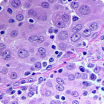
Epithelioid mesothelioma is the most common cell type, making up about 70% of cases. Epithelioid cells have box or oval shapes. They tend to respond better to treatment than other cell types.
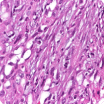
Sarcomatoid mesothelioma makes up about 10% – 20% of cases. These cells are characterized by oval or spindle shapes. Historically, prognosis for this cell type has been poorer than for others, but treatment advances are changing this.
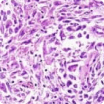
Biphasic mesothelioma, or mixed mesothelioma, accounts for about 20% of cases. Biphasic tumors contain both epithelioid and sarcomatoid cells.
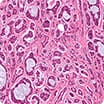
In addition to the three main cell types, there are also rarer mesothelioma cell types. These rare cells are often subtypes of epithelioid or sarcomatoid mesothelioma. Some defy classification.
Treatment options may vary by type of cancer cell. Many of the rarer types have the same treatment options and similar outcomes to the more common cell types. Options may also vary by whether the mesothelioma tumor is benign or malignant.
Questions About the Types of Mesothelioma? Ask experienced mesothelioma advocate Jennifer Lucarelli Ask a Question
Malignant vs. Benign Mesothelioma
All mesotheliomas are cancerous. The 2021 World Health Organization (WHO) classification of pleural tumors dropped the word "malignant" from the name. Every tumor classified as a mesothelioma is malignant. Tumors that used to be called benign mesothelioma are now classified as separate, non-cancerous mesothelial tumors.
Malignant tumors can grow and spread fast, which can limit treatment options. Malignant mesothelioma patients have an average life expectancy of 18 – 31 months.
The two tumors most often called benign mesothelioma are adenomatoid tumor and well-differentiated papillary mesothelial tumor. Neither spreads the way mesothelioma does. Surgery to remove the tumor is often enough. The outlook is generally good, although recurrence is possible.
Mesothelioma Treatment by Type
Mesothelioma treatment options vary based on location and cell type. A doctor can create an individualized treatment plan based on a patient’s unique mesothelioma diagnosis. Treatment options include surgery, chemotherapy and immunotherapy. Patients may receive two or more treatments as part of a multimodal therapy plan.
Surgery
Patients eligible for aggressive mesothelioma treatment may undergo surgery. Surgery has a different role in each type. For pleural mesothelioma, NCCN no longer recommends surgery for most patients. The MARS and MARS 2 randomized trials found more complications and shorter survival with surgery than without it. For peritoneal mesothelioma, cytoreductive surgery with HIPEC remains standard care for eligible patients. The type of surgery a patient undergoes depends on the type and location of their mesothelioma. Surgery options for the main mesothelioma types include:
- Pericardial mesothelioma: Pericardiectomy
- Peritoneal mesothelioma: Cytoreductive surgery (CRS)
- Pleural mesothelioma: Pleurectomy / decortication (P/D), extrapleural pneumonectomy (EPP)
- Testicular mesothelioma: Radical orchiectomy
Currently, doctors consider cell type as a factor affecting surgery options. For example, sarcomatoid patients may not be eligible for surgery. Because NCCN withdrew its surgery recommendation for most patients with pleural mesothelioma, cell type now matters less to surgical eligibility than it once did.

Heather Von St. James is a mesothelioma survivor and awareness advocate. In 2006, she underwent an extrapleural pneumonectomy to treat her pleural mesothelioma. Von St. James also received chemotherapy and radiation. She has survived more than 20 years after surgery.
Learn More About Heather’s Surgery ExperienceImmunotherapy
Different types of mesothelioma patients are increasingly likely to receive immunotherapy. The most promising mesothelioma immunotherapy uses drugs called immune checkpoint inhibitors (ICIs). Checkpoint inhibitor drugs allow the immune system to fight cancer. In general, immune checkpoints exist to help protect healthy cells. These checkpoints identify cells that the immune system should not attack. Cancer cells can manipulate this immune system process to protect themselves instead. Checkpoint inhibitor drugs block these checkpoints. This helps immune cells identify and attack tumor cells.
Two first-line regimens are approved for pleural mesothelioma that surgery cannot remove. FDA approved the ICI combination Opdivo® (nivolumab) and Yervoy® (ipilimumab) in 2020. It approved Keytruda® (pembrolizumab) with chemotherapy in September 2024. NCCN lists both as preferred category 1 options, whatever the cell type.
Research into the use of ICIs to treat mesothelioma is ongoing. Some specialists are looking into using ICIs to treat mesothelioma in locations other than the pleura. Clinical trials are looking into treating peritoneal patients with immunotherapy.
Cell type also shapes how well immunotherapy works. In CheckMate 743, patients with nonepithelioid mesothelioma had a median survival of 18.1 months on Opdivo and Yervoy, compared with 8.8 months on chemotherapy alone. That gap is wider than the one seen in patients with epithelioid tumors.
Chemotherapy
Chemotherapy is a common treatment for different types of mesothelioma. Doctors may treat any of the main mesothelioma types with chemotherapy. Chemotherapy may be systemic or local depending on a patient’s diagnosis and their doctor’s recommendation. It may be combined with other forms of treatment, like surgery and immunotherapy.
Patients with inoperable mesothelioma may receive systemic chemotherapy. Patients with operable pleural or peritoneal mesothelioma may be eligible for local chemotherapy. Local chemotherapy is often administered with surgery.
For example, CRS plus HIPEC is a standard peritoneal mesothelioma treatment involving surgery and localized chemotherapy. This treatment combination is associated with long-term peritoneal mesothelioma survival.
Radiation
Doctors may use radiation to treat certain types of mesothelioma. Pleural and pericardial mesothelioma patients may receive radiation. It is most often applied in a multimodal plan and seldom used alone.
Radiation is not a common treatment for peritoneal or testicular mesothelioma. It has not been tied to improved peritoneal mesothelioma survival. It is unclear whether radiation is helpful in treating testicular mesothelioma.
Palliative Care
Patients with any type of mesothelioma may receive palliative care. Palliative treatment is health care aimed at improving a patient’s quality of life at any stage of illness. For example, patients may receive fluid drainage procedures to decrease discomfort. The palliative treatment a patient receives may depend on the type of mesothelioma they have.
Mesothelioma patients may receive palliative care at any point during their cancer journey. It does not prevent patients from receiving care aimed at treating mesothelioma.
Common Questions About Mesothelioma Types
What are the main types of mesothelioma?
What is the difference between mesothelioma location and cell type?
What is the rarest form of mesothelioma?
How does the type of mesothelioma affect prognosis and treatment?
Can mesothelioma be benign?
Free Mesothelioma Treatment Guide

Dr. Francis Perry Wilson is the Director of the Clinical and Translational Research Accelerator at the Yale University School of Medicine. He specializes in nephrology and clinical research.

 Medically
Reviewed by
James Stevenson, MD
Thoracic Medical Oncologist
Dr. James Stevenson is a Board-Certified Medical Oncologist. He specializes in treating mesothelioma and lung cancer and practices at the Cleveland Clinic in Cleveland, Ohio.