Mesothelioma Symptoms

Mesothelioma symptoms often include chest or abdominal pain, shortness of breath, coughing and fluid buildup. Symptoms vary by cancer stage and location and are often confused with more common illnesses, leading to misdiagnosis. Recognizing signs of mesothelioma early is key to a timely diagnosis.
Learn About Mesothelioma Symptoms in Our Free Guide
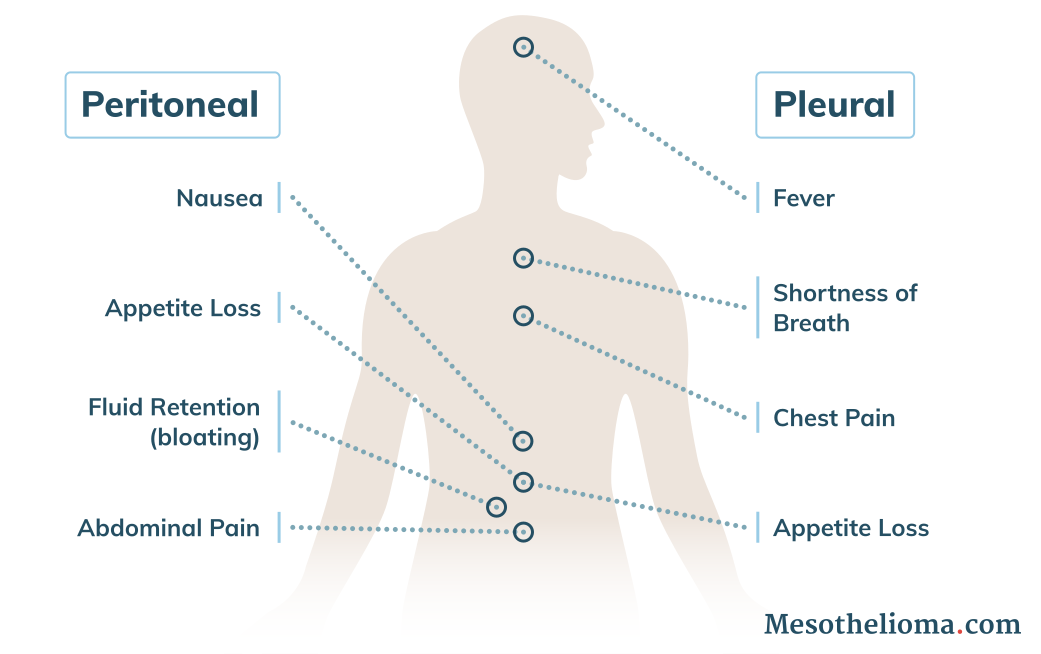
What Are the Signs and Symptoms of Mesothelioma?
Common mesothelioma symptoms include chest or abdominal pain, shortness of breath, coughing and fluid buildup. Symptoms vary by cancer stage and location and can be confused with more common illnesses, leading to the wrong diagnosis. Recognizing signs of mesothelioma early is key to a timely diagnosis.
- Common symptoms: The most severe symptoms reported by pleural mesothelioma patients are fatigue, shortness of breath, pain, loss of appetite, muscle weakness and an overall feeling of being unwell.
- Fatigue is moderate to severe in 47% of patients, with 20% reporting severe fatigue.
- Shortness of breath is moderate to severe in 39% of patients.
- Pain, muscle weakness and an overall feeling of being unwell are moderate to severe in at least 25% of patients.
- Key warning sign: Rapid onset of breathlessness is a key warning sign of pleural mesothelioma.
- Management options: Doctors may manage pleural mesothelioma symptoms with chemotherapy, complementary treatments, medication, minor surgical procedures or radiation.
- Stage when symptoms appear: Symptoms may begin at any stage but can be mild or nonspecific during the early stages of pleural mesothelioma.
- Time between asbestos exposure and diagnosis: Pleural mesothelioma is usually diagnosed 10 - 50 years after the first asbestos exposure.
- Uncommon symptoms: Less common pleural mesothelioma symptoms may include coughing up blood, hoarseness and difficulty swallowing.
Mesothelioma symptoms can differ widely between patients. They can also be mistaken for more common conditions. For instance, a chronic cough from pleural mesothelioma may look like pneumonia. Gastrointestinal issues from peritoneal mesothelioma could be mistaken for irritable bowel syndrome.
Patients with a history of asbestos exposure may want to learn the most common symptoms of both types of mesothelioma. If these symptoms arise, patients should promptly report them, along with their past exposure, to a doctor.
Why recognizing the early signs and symptoms of mesothelioma matters:
- Timely diagnosis: Earlier detection could result in quicker access to targeted medical care.
- More treatment options: At earlier stages, patients may have more treatment options to choose from.
- Improved outcomes: Prompt care may lead to a better prognosis and longer survival.
- Better quality of life: Early symptom control may reduce discomfort and emotional distress.
 Did You Know?
Mesothelioma symptoms often mimic those of other more common diseases resulting in a high incidence of misdiagnoses of this rare form of cancer.
Knowing how to recognize early signs of mesothelioma can have a favorable impact on a patient’s prognosis by preventing a misdiagnosis and initiating an early course of treatment.
Did You Know?
Mesothelioma symptoms often mimic those of other more common diseases resulting in a high incidence of misdiagnoses of this rare form of cancer.
Knowing how to recognize early signs of mesothelioma can have a favorable impact on a patient’s prognosis by preventing a misdiagnosis and initiating an early course of treatment.
When to See a Doctor for Signs of Mesothelioma
Patients should see their primary care provider for persistent symptoms that concern them. Anyone who suddenly develops breathlessness or relentless fatigue should talk to a doctor as soon as possible and mention any history of asbestos exposure.
I was losing 5 to 7 pounds a week. Every evening, like clockwork, I’d get a low-grade fever. I thought it was the flu or hormones, but something just felt off.
 Heather Von St. James
Heather’s experience shows how symptoms can quietly escalate. In her case, other signs like night sweats and chest tightness followed. Doctors still suspected more common conditions before pinpointing mesothelioma.
Patients can use the list below to help their doctor find the true cause of unexplained symptoms:
- Active symptoms and onset: Share which symptoms are present and how long they have lasted.
- Asbestos exposure: Share the timing of past encounters with asbestos.
- Links to mesothelioma: Share whether any past coworkers, family members or neighbors have been diagnosed with mesothelioma, asbestosis or lung cancer.
- Screening: Ask for a referral for mesothelioma or asbestos cancer screenings.
Doctors need as much information as possible to help ensure they find the true cause of a patient’s symptoms. Even a detail that may not seem important could help a care provider reach the right diagnosis.

Symptoms of Pleural Mesothelioma
Pleural mesothelioma develops in the lining around the lungs, called the pleura. Pleural mesothelioma symptoms often manifest as respiratory problems.
Signs and symptoms of pleural mesothelioma include:
- Chest pain
- Cough (persistent and dry)
- Fatigue
- Loss of appetite
- Pain
- Pleural effusion
- Pleural plaques
- Pleural thickening
- Shortness of breath (dyspnea)
- Sweating (profusely)
- Trouble swallowing
- Weight loss (unintended)
Misdiagnosis potential: Pleural mesothelioma symptoms may be mistaken for those of the flu, bronchitis, heart problems, pneumonia or lung cancer.
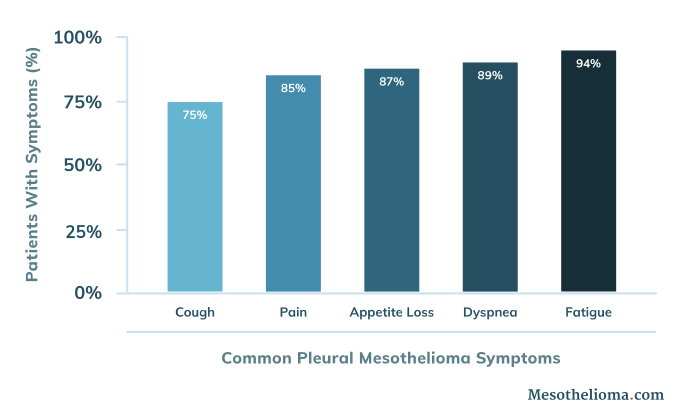
Pleural mesothelioma symptoms differ in earlier versus later stages. Experts have made a few observations about the earliest signs of pleural mesothelioma:
- Most common early symptom: Breathlessness that develops very quickly
- Other early symptoms: Chest pain, cough, fatigue, weight loss
Breathlessness happens as a result of swelling in the pleura. The excess fluid puts pressure on the lung, making it difficult to breathe. As the cancer progresses, breathlessness and other symptoms usually worsen, and new signs can develop.
Symptoms of Peritoneal Mesothelioma
Peritoneal mesothelioma develops in the peritoneum (lining of the abdomen). Most symptoms appear in the abdomen. Symptoms vary depending on which organs are near the tumor.
Signs and symptoms of peritoneal mesothelioma include:
- Abdominal pain
- Abdominal swelling (distension)
- Ascites / peritoneal effusion
- Bowel obstruction
- Constipation
- Fatigue
- Feeling full early
- Fever (unexplained)
- Loss of appetite
- Nausea
- Night sweats
- Pain (any form)
- Vomiting
- Weight loss (may be substantial)
Misdiagnosis potential: Peritoneal mesothelioma symptoms may be mistaken for gallbladder problems or a hernia. They can also look like irritable bowel syndrome (IBS), Crohn’s disease or ovarian cancer.
Data shows the most common early sign of peritoneal mesothelioma is abdominal swelling. It happens because of fluid retention (ascites) caused by tumors. Patients may also have pain in the same area.
Symptoms of Pericardial and Testicular Mesothelioma
Pericardial and testicular mesothelioma are extremely rare, with each accounting for less than 1% of mesothelioma diagnoses. Pericardial mesothelioma develops in the pericardium, the lining around the heart. It can cause cardiovascular symptoms. Testicular mesothelioma develops in the linings around the testes, called the tunica vaginalis testis. It may mimic a hernia or testicular injury.
Pericardial Mesothelioma Symptoms
Pericardial mesothelioma symptoms typically affect the chest region. Symptoms may appear to progress quickly because this form of mesothelioma is often diagnosed in late stages.
Signs and symptoms of pericardial mesothelioma include:
- Chest pain
- Difficulty swallowing (dysphagia)
- Dry cough
- Fatigue
- Irregular heartbeat (arrhythmia)
- Pericardial effusion
- Pericardial thickening
- Pressure on the heart from fluid buildup (cardiac tamponade)
- Right shoulder pain
- Shortness of breath
- Swelling of the legs or lower extremities
Misdiagnosis potential: Pericardial mesothelioma is often misdiagnosed as coronary artery disease, heart failure or other heart-related cancers.
Testicular Mesothelioma Symptoms
Signs and symptoms of testicular mesothelioma include:
- Enlargement of the scrotum (scrotal swelling)
- Hydrocele (fluid in the lining around the testicle)
- Inguinal mass (mimicking inguinal hernia)
- Solid scrotal mass (paratesticular mass)
- Spermatocele (fluid-filled sac in the epididymis)
Misdiagnosis potential: Testicular mesothelioma symptoms may be mistaken for those of a hernia or other testicular conditions.



Symptoms by Mesothelioma Stage
Symptoms of mesothelioma can differ based on stage. Patients with stage 1 or stage 2 mesothelioma may experience milder symptoms than those with stage 3 or stage 4 mesothelioma. In general, stages 1 and 2 can be categorized as early-stage mesothelioma and stages 3 and 4 as later stages.
If mesothelioma symptoms are caught early, patients can benefit from:
- Better quality of life: Prompt symptom control may reduce discomfort and emotional distress.
- Faster diagnosis: Earlier detection can result in quicker access to targeted medical care.
- Treatment options: Patients may have more available treatments if the cancer is diagnosed in an earlier stage.
- Improved outcomes: Timely care may improve survival and quality of life.
Early-Stage Mesothelioma Signs and Symptoms
Symptoms may be milder in the early stages of mesothelioma (stage 1 and stage 2). Early signs of mesothelioma can include:
- Abdominal pain or chest pain
- Difficulty breathing
- Fluid buildup
- Persistent cough
- Shortness of breath
It is not uncommon for early mesothelioma signs and symptoms to go unnoticed. This makes it vital for anyone with known asbestos exposure to watch for subtle changes in their bodies.
Mesothelioma is often mistaken for conditions like bronchitis, pneumonia or COPD because the early symptoms are so similar. Accurate diagnosis can be delayed until more distinct signs of mesothelioma appear as the disease progresses.
 Vincent Mase, MD
Late-Stage Mesothelioma Signs and Symptoms
Symptoms may be more severe during the later stages of mesothelioma (stage 3 and stage 4). Late-stage mesothelioma symptoms may include:
- Abdominal pain or chest pain (severe)
- Difficulty breathing
- Difficulty swallowing (dysphagia)
- Fatigue (overwhelming)
- Fluid buildup
- Persistent cough
- Severe or worsened pain
- Shortness of breath
- Weight loss
Some mesothelioma patients may not seek care until their symptoms worsen. However, a diagnosis is still valuable at any stage. It allows mesothelioma specialists to recommend appropriate treatments and relieve patients’ pain or discomfort.
Connect With a Top Mesothelioma Doctor Find a mesothelioma specialist near you Get Connected
Treating and Managing Mesothelioma Symptoms
Palliative or supportive care options aim to improve comfort and quality of life by managing symptoms. These therapies are available at any stage of the cancer journey. They work alongside therapeutic treatments like immunotherapy and surgery.
Doctors may recommend any combination of the following to address mesothelioma symptoms:
- Complementary therapies: Acupuncture, yoga and other mind-body practices may help reduce pain and improve movement.
- Fluid drainage: Pleurocentesis and paracentesis procedures drain excess fluid from around the lungs or abdomen. This can ease breathing and discomfort.
- Minor surgeries: Some surgical procedures can help relieve symptoms even if they are not expected to stop tumor growth. Pleurodesis is a minor surgery intended to prevent fluid buildup around the lungs.
- Pain medication: Doctors may recommend prescription medication or over-the-counter options to directly reduce pain.
- Physical therapy: This movement-based therapy can help improve mobility and strength.
- Radiation: Targeted radiation can kill cancer cells, reducing pain caused by tumors pressing on nerves or bones.
- Respiratory therapy: Breathing exercises and oxygen therapy may reduce discomfort associated with breathlessness.
Doctors can recommend options for managing any symptom a patient has. Supportive care is not a sign that a case is hopeless. It is a way for providers to help patients maintain the best possible quality of life at every stage of treatment.
Common Questions About Mesothelioma Symptoms
What are the early warning signs of mesothelioma?
Can mesothelioma cancer cause fever?
How long do symptoms of mesothelioma take to develop?
Why is symptom management important?
Sources
American Cancer Society - Signs and Symptoms of Mesothelioma; 2/3/2026
National Library of Medicine - Malignant Mesothelioma; 1/22/2025
JTO Clinical and Research Reports - Extrathoracic Metastases in Pleural Mesothelioma; 9/1/2023
Oncology Nursing Forum - A Pilot Mixed-Methods Study of Malignant Pleural Mesothelioma Symptoms; 11/1/2022
U.S. Department of Health and Human Services - Toxicological Profile for Asbestos; 9/1/2001
Free Mesothelioma Treatment Guide

Dr. Francis Perry Wilson is the Director of the Clinical and Translational Research Accelerator at the Yale University School of Medicine. He specializes in nephrology and clinical research.

Liza Adelberg has more than 20 years of experience in marketing and communications. At Mesothelioma.com, she creates clear, compassionate resources for patients and families affected by asbestos-related diseases.