Sarcomatoid Mesothelioma

Sarcomatoid mesothelioma is a rare cell type caused by asbestos exposure. It accounts for approximately 10% of all mesothelioma diagnoses. Sometimes referred to as spindle cell mesothelioma, sarcomatoid cells are recognized by their oval, spindle shape. This cell type can metastasize, or spread, to distant organs. It is also resistant to chemotherapy, but the average prognosis is 18 months with immunotherapy.
Request a Free Sarcomatoid Mesothelioma Guide

What Is Sarcomatoid Mesothelioma?
Sarcomatoid mesothelioma is a mesothelioma tumor made of sarcomatoid cells. Sarcomatoid is the rarest of the three main cell types. It accounts for about 10% of pleural mesothelioma cases and 4% – 8% of peritoneal mesothelioma cases.
- How common is it? Sarcomatoid mesothelioma is rare. About 300 cases occur each year in the United States.
- How do different treatments affect life expectancy? Sarcomatoid mesothelioma treated with immunotherapy has an average survival of 18 months. With chemotherapy, it drops to 9 months.
- What is the best treatment? Immunotherapy is the preferred first-line treatment because it generally has the best life expectancy for this cell type. This option has led to multiple cases of partial or complete remission.
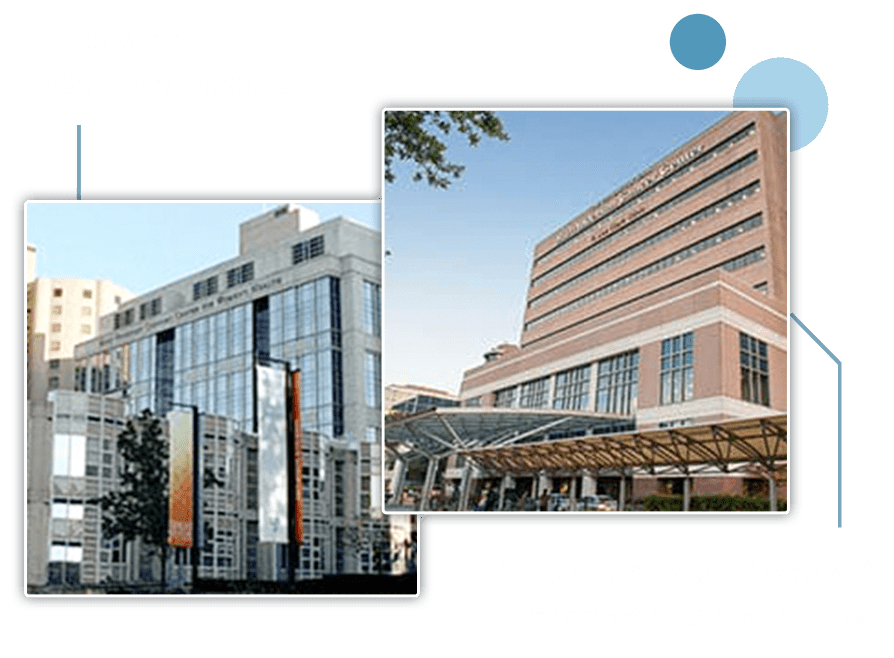
- Where can patients get these treatments? Patients can receive immunotherapy and other options from mesothelioma experts, who are often found at larger cancer centers.
- Why should patients seek specialty care? A mesothelioma specialist stays current on the latest research and can recommend the best approach based on current evidence.
Several defining characteristics can help doctors identify sarcomatoid cells, including:
- A spindly elongated oval shape with a large nucleus or multiple nuclei
- Distant cell formation that may metastasize more easily than other cell types
Sarcomatoid mesothelioma is also referred to as spindle cell or sarcomatous mesothelioma. You may see these terms on your pathology report.

What Causes Sarcomatoid Mesothelioma?
Sarcomatoid mesothelioma is caused by asbestos exposure. When a person breathes in (or ingests) asbestos, the mineral fibers can get stuck in the lungs or other tissues. Asbestos fibers trigger internal irritation and inflammation. Over time, this inflammation can cause genetic mutations that lead to mesothelioma cancer.
If mesothelioma develops after asbestos exposure, it does not immediately cause symptoms in most cases. Mesothelioma has a latency period of 10 to 50 years, meaning symptoms don't arise until decades after asbestos exposure. Individuals with a history of asbestos exposure can monitor for signs of sarcomatoid mesothelioma by understanding its symptoms.
Symptoms of Sarcomatoid Mesothelioma
Symptoms of sarcomatoid mesothelioma include shortness of breath and chest pain. Patients often have these symptoms because sarcomatoid cells are most common in pleural mesothelioma, which impacts the lining of the lungs.
In rare cases, patients may be diagnosed with sarcomatoid peritoneal mesothelioma. This type of mesothelioma develops in the abdominal lining. The table below shows how symptoms differ by location of the sarcomatoid mesothelioma tumors.
- Chest pain
- Decreased appetite
- Difficulty breathing (dyspnea)
- Dry cough
- Excess fluid around the lung
- Fatigue
- Weight loss
- Abdominal pain
- Excess fluid in the belly lining
- Increasing size of the belly
- Decreased appetite
If you have these symptoms decades after asbestos exposure, you may want to see a doctor. Your primary care provider can review your history and current condition to determine if you need tests. Early diagnosis may improve your treatment outcome.
Request a Free 2026 Sarcomatoid Mesothelioma Guide Our packet will be sent to you within 24 hours Request Free Guide
Diagnosing Sarcomatoid Mesothelioma
Properly identifying mesothelioma cell type is an important aspect of the diagnostic process. This information helps specialists choose the most effective treatment approach.
Doctors use many tests to diagnose sarcomatoid mesothelioma. The process often includes:
- Imaging tests, like X-rays, CT scans, MRIs or PET scans to find tumors or areas of excess fluid
- Blood tests to check for biomarkers of mesothelioma or other illnesses
- A biopsy to collect a small sample of the suspected tumor
- Lab testing of the biopsy sample to find out which cell types it contains
If the tested biopsy tissue has characteristics of sarcomatoid mesothelioma, doctors can confirm the diagnosis.
Rare Sarcomatoid Cell Subtypes
In some cases, sarcomatoid mesothelioma may also be differentiated as several rare cell subtypes. These subtypes can be more aggressive than other forms of mesothelioma. So doctors use pathology results to better understand prognosis and treatment options.

Rare sarcomatoid mesothelioma subtypes include:
- Desmoplastic mesothelioma: This cell subtype lacks a defined pattern and accounts for about 5% of all diagnoses. Studies have found an average life expectancy of 3.8 months.
- Heterologous mesothelioma: This rare subtype can contain unusual features like bone- and cartilage-like tissue. It accounts for less than 1% of mesotheliomas, and reported survivals range from 6 to 12 months.
- Transitional mesothelioma: Transitional cells have a plump spindle shape and can closely resemble epithelial cells, making diagnosis difficult. These tumors are rare, with only a few case reports referencing the subtype.
Treatments for Sarcomatoid Mesothelioma
Experts recommend that sarcomatoid mesothelioma patients get immunotherapy as a first-line treatment. Preferred regimens include:
- Opdivo® (nivolumab) and Yervoy® (ipilimumab)
- Keytruda® (pembrolizumab) with chemotherapy
Mesothelioma doctors consider many factors when determining a treatment plan, including patient goals. Peritoneal mesothelioma patients may receive any of the following, depending on their circumstances:
- Chemotherapy: Chemo uses drugs to kill cancer cells. Doctors may target chemo to the whole body or a specific area.
- Combination therapy: Also known as multimodal therapy, this uses more than one type of therapy. For example, doctors may use chemo to shrink the size of the tumor before removing it with surgery.
- Emerging therapies: Doctors may recommend an experimental or emerging treatment to patients. These therapies have shown promise, but most have not been fully studied.
- Immunotherapy: This treatment type enables immune cells to find and kill cancer cells.
- Radiation therapy: This therapy uses energy to damage or kill cancer cells. Doctors may only use radiation as a palliative treatment, which helps relieve symptoms.
- Supportive care: This approach aims to reduce symptoms and improve the patient's quality of life.
- Surgery: Surgery removes as much of the tumor as possible. It is rare in sarcomatoid cases, but its use has increased in recent years.
Doctors rarely treat sarcomatoid mesothelioma patients with surgery. Past studies showed it wasn't as effective as other treatments. But new research suggests immunotherapy may change that. The combination of Opdivo and Yervoy shrunk tumors so effectively that some patients went on to have surgery.
In a 2025 case report, doctors treated an 80-year-old woman with stage 1B pleural sarcomatoid mesothelioma. They had determined the cell type excluded her from surgery, so the doctors opted to use the Opdivo+Yervoy combo on six-week cycles.
Within just two cycles, imaging tests showed the tumor had shrunk by more than 80%. Her pleural effusion had also disappeared. At 2-year follow-up, she stopped treatment and had no signs that the mesothelioma had progressed.
Sarcomatoid patients may get more comprehensive care from a mesothelioma expert. In a study, specialty care improved access to more aggressive treatments, like surgery. It also boosted survival for patients undergoing aggressive treatments. The benefits of specialty care are worth the effort of seeking it out.
 Did You Know?
Some treatments for mesothelioma are not covered by insurance.
Treatment for mesothelioma can become a financial burden.
Did You Know?
Some treatments for mesothelioma are not covered by insurance.
Treatment for mesothelioma can become a financial burden.
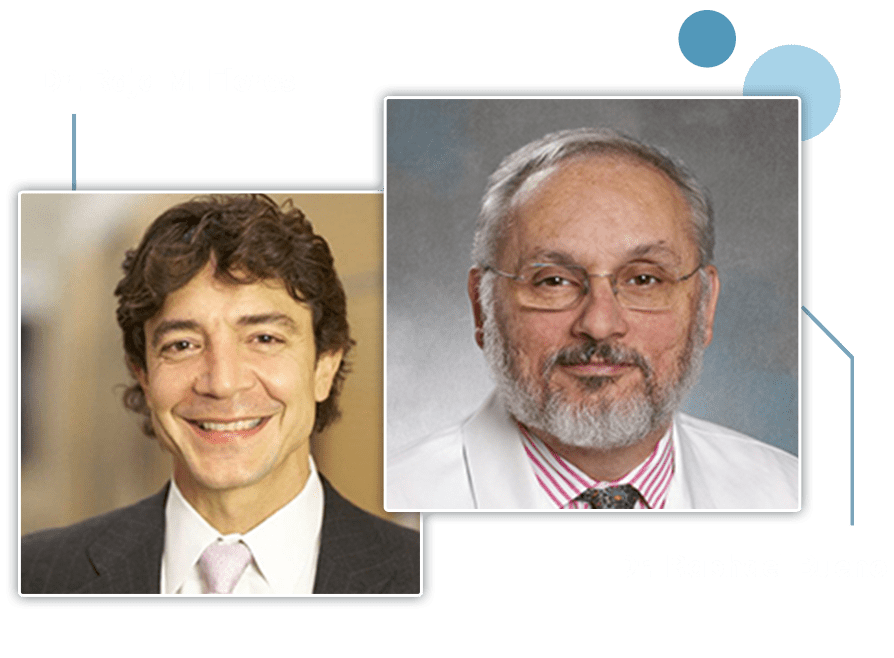
Mesothelioma Specialists Who Can Treat Sarcomatoid Tumors
Pleural and peritoneal mesothelioma specialists have experience with this cell type and its treatment options.
The doctors in the following list all have expertise with the latest treatments for all mesothelioma cell types. Each doctor has participated in at least one of the following forms of research:
- Mesothelioma immunotherapy clinical trials
- Mesothelioma trials for targeted or combination treatments
- The clinical trial that led to Opdivo+Yervoy becoming the recommended treatment for sarcomatoid mesothelioma




Sarcomatoid Mesothelioma Life Expectancy
The life expectancy for sarcomatoid mesothelioma varies. Patients who decide not to have treatment may live only about 2 months. Those who receive immunotherapy have a life expectancy of about 18 months. The single most impactful way to improve life expectancy is to get treatment.
| Treatment | Pleural Mesothelioma | Peritoneal Mesothelioma |
|---|---|---|
| Systemic Chemotherapy | 9 months | 9 months |
| Immunotherapy | 18 months | 18 months |
| Surgery-Based Combination Treatment | 8 months | 10 months |
Which Factors Impact Sarcomatoid Mesothelioma Prognosis
A number of factors affect life expectancy for patients with sarcomatoid mesothelioma, including:
- Cancer stage
- Patient age, gender and overall health
- Treatment approach
- Tumor location (peritoneal vs. pleural)
It is important to discuss these factors with a mesothelioma specialist. The doctor can explain how your personal characteristics and goals may affect prognosis.
Have a Question About Sarcomatoid Mesothelioma? Ask experienced mesothelioma advocate Jennifer Lucarelli Ask a Question
Common Questions About Sarcomatoid Mesothelioma
What are sarcomatoid cells?
How can a doctor tell I have sarcomatoid mesothelioma and not something else?
Is surgery recommended for sarcomatoid mesothelioma?
Is sarcomatoid mesothelioma curable?
How rare is sarcomatoid mesothelioma?
Is sarcomatoid mesothelioma easy to mistake for other conditions?
Sarcomatoid mesothelioma is difficult to diagnose and easy to mistake for other conditions. Some of the potential misdiagnoses include:
- Fibrous pleurisy
- Fibrous tumors
- Fibrosarcoma
- Lymphoma
- Metastasized renal cell carcinoma
- Pleural liposarcoma
- Sarcomatoid carcinoma
Note: This page contains statistics gleaned from large groups of patients. These statistics cannot forecast a single patient’s risk, cancer experience or the success of any given treatment. Patients should discuss all cancer screening and treatment decisions with an experienced oncologist.
Free Sarcomatoid Mesothelioma Treatment Guide


 Medically
Reviewed by
James Stevenson, MD
Thoracic Medical Oncologist
Medically
Reviewed by
James Stevenson, MD
Thoracic Medical Oncologist
Dr. James Stevenson is a Board-Certified Medical Oncologist. He specializes in treating mesothelioma and lung cancer and practices at the Cleveland Clinic in Cleveland, Ohio.