Mesothelioma Cure

There is no proven cure for mesothelioma, but some patients achieve long-term remission. Combining surgery with another treatment achieves remission more often than solo therapies. New combos using immunotherapy may come even closer to a cure. Working with a mesothelioma doctor may help patients improve survival.
Request a Free 2026 Mesothelioma Guide Free 2026 Mesothelioma Guide

Is Mesothelioma Curable?
Experts say mesothelioma is not yet curable. But combination treatments have helped some patients get close to a cure. Doctors have reported long-term remission after treating patients with surgery and local chemotherapy. This approach extends survival for both pleural and peritoneal mesothelioma.
Stage and type of cancer also play an important role in a mesothelioma patient’s prognosis. For example, diagnosis at stage 1 or stage 2 typically results in a more favorable outcome than late-stage diagnoses. Peritoneal mesothelioma also has a longer life expectancy than other types of mesothelioma.
In one study, researchers combined surgery and several types of chemotherapy treatment to achieve a median survival of 14.8 years in peritoneal mesothelioma patients. Another study found a median survival of 8.3 years with surgery and heated intraperitoneal chemotherapy (HIPEC).
In a different study, pleural mesothelioma patients first received chemotherapy. Then they underwent surgery followed by additional chemotherapy. These patients had a median survival of about 5 years. Importantly, 70% of study patients lived a year or longer without any signs of tumor growth.
Patients should keep in mind estimated survival times may be outlived. Pleural mesothelioma survivor Heather Von St. James was initially given 15 months to live. Heather has outlived her prognosis and is a survivor of more than 17 years. She enjoys sharing her journey of treatment and survival with other mesothelioma patients.
What Are Some of the Most Promising Mesothelioma Treatments?
Promising mesothelioma treatments include surgery, chemotherapy, immunotherapy and multimodal therapies. The success of any treatment will depend on a number of factors. These include stage at diagnosis, type of mesothelioma cancer and overall patient health.
Chemotherapy is a common treatment option for inoperable mesothelioma. In one study, pleural mesothelioma patients treated with chemotherapy alone had a median survival of 16.4 months.
Chemotherapy is also often used in multimodal treatments to achieve longer survival times.
Immunotherapy can be combined with several therapies or used alone. It is also often used for patients who may not qualify for other therapies.
In one study, pleural mesothelioma patients received Keytruda®, an immunotherapy drug. These patients did not qualify for standard therapy. They had a median survival of 18 months.
Radiation is most often used in conjunction with other mesothelioma treatments. It is rarely used alone. It can also be used to treat cancer progression or as a palliative therapy.
In one study, patients with pleural or peritoneal mesothelioma underwent palliative radiation therapy. They had a median survival of about 12 months.
Surgery is a common first-line treatment to reduce tumor size and number. This is called cytoreductive surgery (CRS). CRS is often included in successful multimodal treatment plans.
Pleurodesis may also help some patients when used as a single treatment. This surgery helps prevent fluid buildup around the lungs. In one study, patients treated with pleurodesis had a median survival of 12 months.
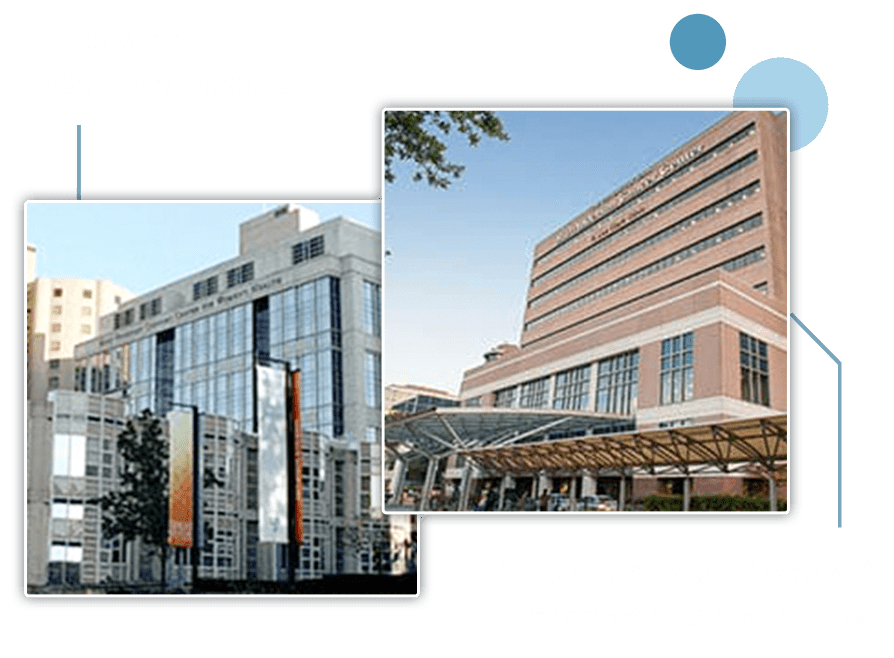
It is important to receive treatment from a dedicated mesothelioma specialist. These doctors work in teams to create a mesothelioma treatment plan for each patient. These plans often use multimodal mesothelioma treatments to extend patient life expectancy.


Multimodal Treatments Can Greatly Extend Survival
Combining treatments can help some patients live longer. Doctors call this multimodal therapy. Some multimodal therapies have extended survival so long they may be considered functional cures. This means that while every cancer cell may not be eliminated, patients experience many years free of mesothelioma.
Therapies with some of the longest observed median survival times for mesothelioma include:
- Pleural mesothelioma: In one study, a combination of chemotherapy, extrapleural pneumonectomy (EPP) surgery and radiation achieved a median survival of 39 months (3.25 years). The chemotherapy drugs used were Alimta® (pemetrexed) and cisplatin.
- Peritoneal mesothelioma: In one study, a combination of cytoreductive surgery and several chemotherapy treatments achieved a median survival of 14.8 years. The chemotherapy treatments used were heated intraperitoneal chemotherapy (HIPEC), early postoperative intracavitary chemotherapy (EPIC) and normothermic intraperitoneal chemotherapy (NIPEC).
Researchers continue to study multimodal therapies with the hope of improving patient prognosis.
Emerging Treatments for Mesothelioma
Emerging treatments such as gene therapy and Tumor Treating Fields provide promise in extending patient survival and improving prognosis. Researchers continue to test these treatments in clinical trials.
With continued study, these emerging and experimental treatments may become part of standard mesothelioma care and help progress the field towards a cure.
A lot of people underestimate the pace of mesothelioma research. The truth is that new developments happen nearly every year. Sometimes they’re smaller advances, but progress is progress. And every new study brings us a tiny bit closer to a cure.
Katy Moncivais, PhD
Tumor Treating Fields (TTFields)
TTFields are a new therapy using mild electric stimulation to disrupt cell division and slow or stop cancer cell growth. One study tested TTFields in 80 pleural mesothelioma patients. After treatment, 72 patients received follow-up scans. In this group, 40% saw tumor shrinkage and 57% saw their tumors stop growing.
In 2019, the U.S. Food and Drug Administration (FDA) approved a TTFields system called Optune Lua™ for use against unresectable pleural mesothelioma.
Herpes Simplex Virus (HSV)
This treatment uses a modified herpes virus to attack cancer cells. This type of treatment is known as oncolytic virus therapy. Patients are injected with HSV-1716, a modified form of HSV. HSV-1716 can infect and kill cancer cells. However, it cannot survive in healthy cells, leaving them intact.
A British study examined HSV therapy for mesothelioma. The study included 11 patients with epithelial mesothelioma. Two patients with unknown mesothelioma cell types also participated in the study. Researchers found 46% of patients in the study achieved disease stability, with no tumor growth. This means researchers observed no tumor growth as of the last study follow-up.
Gene Therapy
Gene therapy uses bioengineering techniques to alter the DNA of cells. In one study, gene therapy emerged as a potentially promising treatment for patients ineligible for surgery. Researchers altered the DNA of pleural cells to produce interferon-alpha protein. This protein can slow cancer cell growth and help the immune system kill cancer cells.
Some study patients received the chemotherapy drug pemetrexed before and after gene therapy. These patients had a median survival of 26 months.
Small Molecules
Many small molecule drugs can enter a patient’s cells easily due to their low molecular weight. Researchers have investigated the small molecule ganetespib against pleural mesothelioma. Ganetespib interferes with several important cellular functions. It was tested in combination with pemetrexed and platinum-based chemotherapy as a first-line treatment. Patients who received the maximum tolerated dose of ganetespib achieved a median survival of 16.3 months.
In September 2024, the FDA approved Keytruda® (pembrolizumab) when combined with pemetrexed and platinum-based chemotherapy. This combination is now a first-line treatment for pleural mesothelioma patients with inoperable tumors.
This is an important step forward for immunotherapy and mesothelioma cancer. The decision followed findings from the KEYNOTE-483 trial. This study found patients lived longer with Keytruda added than with standard chemotherapy alone. This approval may be crucial for treatment plans without surgery.
Research on these treatments is ongoing. Some mesothelioma cancer patients may be able to participate in clinical trials, though eligibility requirements vary. Interested patients should talk to their doctors. Mesothelioma experts can help patients determine the best treatment approach for their unique situation.
Request a Free 2026 Mesothelioma Guide Our packet will be sent to you within 24 hours Request Free Guide
Ongoing Research to Find a Cure for Mesothelioma
Research into new treatment methods provides hope for a mesothelioma cure. Researchers also continue to test standard treatments. Continuing to study conventional therapies can have many positive outcomes, including:
- Extending patient survival
- Helping to manage treatment side effects
- Improving patient quality of life
- Improving quality of cancer care
The National Cancer Institute (NCI) is one of the foremost centers in the fight against cancer. It is an independent research institution established by the U.S. government in 1937. The NCI receives funding and disperses it to universities, hospitals, labs and other research institutions. Many clinical trials around the country are run by the NCI or NCI-designated cancer centers.
Clinical trials are especially important to improve treatment and detection methods. Early detection is one of the most important areas of research in the fight against mesothelioma. By detecting the signs of cancer early, mesothelioma doctors can help prevent progression. One promising area of early detection research is biomarkers.
Biomarker Research May Be Promising for Early Detection
Biomarkers are physical and objective indicators, which may be used to identify cancerous and precancerous cells before they spread. Researchers have identified a few promising biomarkers for mesothelioma:
- ENOX2: In 2016, study researchers tested serum samples from asbestos-exposed individuals for biomarker ENOX2. The researchers were able to correctly identify mesothelioma in 17 asbestos-exposed individuals several years prior to symptom manifestation. Further study is needed to determine if this biomarker would be viable on a larger scale.
- Mesothelin: Mesothelin is a protein found on normal mesothelial cells as well as a variety of cancer cells, including mesothelioma. Over several studies, researchers found elevated levels of mesothelin in the blood of 15 – 40% of asbestos-exposed individuals. These results came before they were diagnosed with mesothelioma. The mesothelin test MESOMARK™ is currently the only FDA-approved mesothelioma test. However, it is not sufficient for diagnosis on its own.
- HMGB1: HMGB1 is a protein that is released into the bloodstream when asbestos-exposed cells die. Some researchers have called HMGB1 the “most powerful circulating single-molecule diagnostic to date.” However, HMGB1 has not been widely tested enough to confirm this claim yet.
Researchers continue to conduct clinical trials to study biomarkers. In addition to early detection, studies are being conducted to test different combinations of current treatments.
This trial will investigate a newer type of immunotherapy. Pleural mesothelioma patients will receive a dendritic cell vaccine. The vaccine will help immune cells target and kill mesothelioma cancer cells. Patients will also receive standard chemo. Researchers estimate the trial will be complete in December 2026.
This trial will investigate a new combination therapy. Patients will receive three treatments:
- Dendritic cell vaccine
- Checkpoint inhibitor drug
- Chemotherapy
This approach may help the immune system recognize and kill cancer cells more effectively than other therapies. Researchers estimate this trial will be complete in October 2026.
Obstacles for Mesothelioma Researchers
Emerging and experimental cancer treatments provide hope for mesothelioma patients. However, there are still obstacles to mesothelioma research and treatment.
One of the biggest hurdles in treating mesothelioma is the rarity of the disease. Only a few thousand people are diagnosed with mesothelioma annually in the United States. This rarity can prevent awareness and adequate sample sizes for research. It can also impact funds devoted to testing new treatments. Mesothelioma research receives less research funding than more common cancers, such as lung cancer and breast cancer.
Mesothelioma is also difficult to research in its early stages. This may be due to several factors, including the disease’s long latency period and nonspecific symptoms.
Despite these challenges, mesothelioma researchers continue to pursue new treatments.
Common Questions About a Mesothelioma Cure
Has anyone ever been cured of mesothelioma?
Can mesothelioma be cured if caught early?
Does mesothelioma always result in death?
Not everyone who has mesothelioma dies from it. While it is a very aggressive cancer, some people have lived for many years after treatment. Survivors include:
- Heather Von St. James: A pleural mesothelioma survivor for more than 20 years
- Paul Cowley: A pleural mesothelioma survivor for more than 10 years
- Paul Kraus: A peritoneal mesothelioma survivor for more than 25 years
- Jim Dykstra: A peritoneal mesothelioma survivor for more than 10 years
Survival depends on many factors, including the patient’s overall health, the type of mesothelioma and the stage.
Can a lung transplant cure mesothelioma?
Note: This page contains statistics gleaned from large groups of patients. These statistics cannot forecast a single patient’s risk, cancer experience or the success of any given treatment. Patients should discuss all cancer screening and treatment decisions with an experienced oncologist.
Sources
Al-Alao BS, Parissis H, et al. Prognostic factors in malignant pleural mesothelioma: role of talc pleurodesis. Asian Cardiovascular and Thoracic Annals. August 2012;20(4):443-449. doi: 10.1177/0218492312449633
Alley EW, Lopez J, et al. Clinical safety and activity of pembrolizumab in patients with malignant pleural mesothelioma (KEYNOTE-028): preliminary results from a non-randomised, open-label, phase 1b trial. The Lancet Oncology. May 2017;18(5):623-630. doi: 10.1016/S1470-2045(17)30169-9
ClinicalTrials.gov. Autologous Dendritic Cell Vaccination in Mesothelioma (MESODEC). Updated March 2023.
ClinicalTrials.gov. dENdritic Cell Therapy Combined With SURgEry in Mesothelioma (ENSURE).
ClinicalTrials.gov. Integration of the PD-L1 Inhibitor Atezolizumab and WT1/DC Vaccination Into Platinum/Pemetrexed-based First-line Treatment for Epithelioid Malignant Pleural Mesothelioma (Immuno-MESODEC).
Creaney J, Dick IM, et al. Discovery of new biomarkers for malignant mesothelioma. Current Pulmonology Reports. January 2015;4(1):15-21. doi: 10.1007/s13665-015-0106-8
Creaney J, Olsen NJ, et al. Serum Mesothelin for Early Detection of Asbestos-Induced Cancer Malignant Mesothelioma. Cancer Epidemiology, Biomarkers & Prevention. September 2010;19(9):2238-2246. doi: 10.1158/1055-9965.EPI-10-0346
Danson SJ, Connor J, et al. Oncolytic herpesvirus therapy for mesothelioma – A phase I/IIa trial of intrapleural administration of HSV1716. Lung Cancer. December 2020;150:145-151. doi: 10.1016/j.lungcan.2020.10.007
Davis A, Ke H, Kao S, Pavlakis N. An update on emerging therapeutic options for malignant pleural mesothelioma. LCTT. 2022 Mar;Volume 13:1–12.
de Gooijer CJ, van der Noort V, et al. Switch-maintenance gemcitabine after first-line chemotherapy in patients with malignant mesothelioma (NVALT19): an investigator-initiated, randomised, open-label, phase 2 trial. The Lancet Respiratory Medicine. June 2021;9(6):585-592. doi: 10.1016/S2213-2600(20)30362-3
Diamond MS, Kinder M, et al. Type I interferon is selectively required by dendritic cells for immune rejection of tumors. Journal of Experimental Medicine. September 2011;208(10):1989-2003. doi: 10.1084/jem.20101158
Fennell DA, Danson S, et al. Ganetespib in Combination with Pemetrexed-Platinum Chemotherapy in Patients with Pleural Mesothelioma (MESO-02): A Phase Ib Trial. Clinical Cancer Research. September 2020;26(18):4748-4755. doi: 10.1158/1078-0432.CCR-20-1306
Fuertes MB, Kacha AK, et al. Host type I IFN signals are required for antitumor CD8+ T cell responses through CD8+ dendritic cells. Journal of Experimental Medicine. September 2011;208(10):2005-2016. doi: 10.1084/jem.20101159
Gordon W Jr, Antman KH, et al. Radiation therapy in the management of patients with mesothelioma. International Journal of Radiation Oncology – Biology – Physics. January 1982;8(1):19-25. doi: 10.1016/0360-3016(82)90379-0
Hasegawa S, Okada M, et al. Trimodality strategy for treating malignant pleural mesothelioma: results of a feasibility study of induction pemetrexed plus cisplatin followed by extrapleural pneumonectomy and postoperative hemithoracic radiation (Japan Mesothelioma Interest Group 0601 Trial). International Journal of Clinical Oncology. 2016;21(3):523-530. doi: 10.1007/s10147-015-0925-1
Hassan R, Miller AC, et al. Major Cancer Regressions in Mesothelioma After Treatment with an Anti-Mesothelin Immunotoxin and Immune Suppression. Science Translational Medicine. October 2013;5(208):208ra147. doi: 10.1126/scitranslmed.3006941
Lynch GA, Symonds J, Morley A, Azubuike-Dyer E, Cooper W, Edey A, et al. Serum mesothelin as a response biomarker in pleural mesothelioma. Lung Cancer. 2025 Jul 17;206:108670.
Morré DJ, Hostetler B, et al. ENOX2-based early detection (ONCOblot) of asbestos-induced malignant mesothelioma 4-10 years in advance of clinical symptoms. Clinical Proteomics. January 2016;13:2. doi: 10.1186/s12014-016-9103-3
Novocure®. FDA Approves the NovoTTF-100L™ System in Combination with Chemotherapy for the Treatment of Malignant Pleural Mesothelioma. May 2019.
Novocure®. Tumor Treating Fields Plus Standard of Care Chemotherapy Significantly Extends Median Overall Survival by 6.1 Months in STELLAR Phase 2 Registration Trial in Mesothelioma Compared to Historical Control. September 2018.
Opitz I, Lauk O, Werner R, Matter A, Hebeisen M, Battilana B, et al. Characteristics of long-term survivors with malignant pleural mesothelioma. Ann Thorac Surg. 2025 Jul;120(1):108–16.
Røe OD. Mesothelioma diagnosis and prognosis, are we moving beyond histology and performance status towards circulating biomarkers? Journal of Thoracic Disease. June 2018;10(Suppl 17):S1956-S1961. doi: 10.21037/jtd.2018.06.12
Sterman DH, Alley E, et al. Pilot and Feasibility Trial Evaluating Immuno-Gene Therapy of Malignant Mesothelioma Using Intrapleural Delivery of Adenovirus-IFNα Combined with Chemotherapy. Clinical Cancer Research. August 2016;22(15):3791-3800. doi: 10.1158/1078-0432.CCR-15-2133
Sugarbaker PH and Chang D. Long-term regional chemotherapy for patients with epithelial malignant peritoneal mesothelioma results in improved survival. European Journal of Surgical Oncology. July 2017;43(7):1228-1235. doi: 10.1016/j.ejso.2017.01.009
Free Mesothelioma Treatment Guide
Katy Moncivais, Ph.D., has more than 15 years of experience as a medical communicator. As the Medical Editor at Mesothelioma.com, she ensures our pages and posts present accurate, helpful information.

 Medically
Reviewed by
Francis Perry Wilson, MD
Senior Medical Advisor
Medically
Reviewed by
Francis Perry Wilson, MD
Senior Medical Advisor
Dr. Francis Perry Wilson is the Director of the Clinical and Translational Research Accelerator at the Yale University School of Medicine. He specializes in nephrology and clinical research.