
Veterans With Mesothelioma

Veterans make up 30% of mesothelioma diagnoses, according to industry reports. From 1930 to 1980, widespread asbestos use in all branches of the military led to exposure. Veterans who develop an asbestos-related disease may be eligible for VA benefits or other compensation.
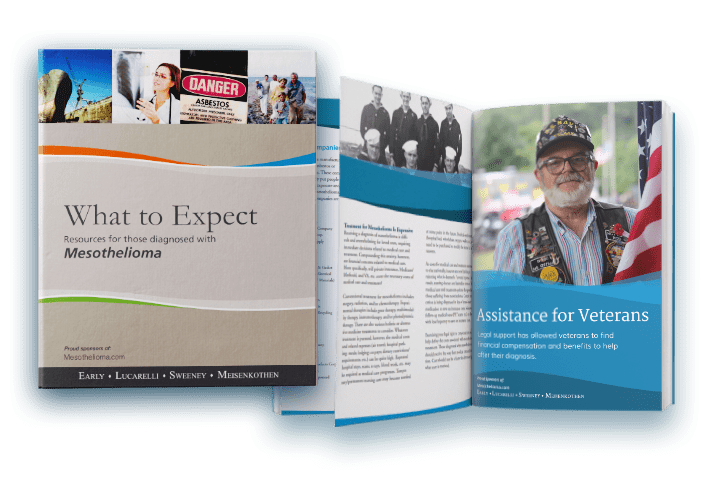
Assistance for Veterans Diagnosed With Mesothelioma

Asbestos Exposure in the Military
Asbestos was commonly used in U.S. military branches. The mineral was largely used for fireproofing, heat resistance and durability purposes. The widespread use of asbestos puts veterans at higher risk for mesothelioma and other asbestos-related diseases.
Asbestos use was common across all branches of the U.S. military in the 20th century. The military predominantly used asbestos from 1930 to 1980. The mineral was used in aircraft, equipment, military bases and ships. Asbestos is still found in military bases and older equipment used today.
- Veterans account for 30% of all mesothelioma diagnoses.
- In the 20th century, all military branches used asbestos.
- Between 1930 and 1980, veterans were at the highest risk of asbestos exposure while serving.
- Veterans with mesothelioma may be eligible for compensation through VA claims, trust funds or lawsuits.
All veterans may have experienced exposure to asbestos products while in the military. However, common exposure scenarios may vary between military branches.
Common Places for Exposure to Asbestos in the Military:
- Aircraft
- Air Force bases and Army bases
- Ammunition storage rooms
- Machinery rooms
- Mess halls
- Military sleeping quarters and barracks
- Military vehicles
- Naval bases
- Ships
- Shipyards
- Training facilities

- Help filing VA claims
- Treatment for Vets

- Don't lose your rights
- Free case evaluation
- Provide for loved ones
- $30 billion set aside
Asbestos Exposure by Military Branch
Asbestos was used widely across the branches of the armed forces in the 20th century. Each veteran’s asbestos exposure scenario is unique. However, some common instances of exposure have occurred among members of the same service branch. For example, U.S. Navy members may have experienced exposure from asbestos materials used on ships and in shipyards.
Navy veterans were often the most at risk of asbestos exposure. Ships, shipyards, engine and boiler rooms all contained asbestos. In these tight spaces, fibers could become highly concentrated and pose a higher exposure risk.
Air Force veterans were at high risk of asbestos exposure. During active duty, these veterans were often exposed to asbestos through plane machinery and living quarters on base.
Marine veterans faced asbestos exposure when aboard ships. Similar to Navy ships, Marine vessels had asbestos in engine and boiler rooms.
Coast Guard veterans were often exposed to asbestos through time spent aboard ships. Coast Guard Cutter crews are among the most at-risk Coast Guard veterans.
Army veterans were often exposed to asbestos while on base or through military vehicles. Asbestos exposure may be less likely for those who did not frequently spend time on ships. However, any exposure can result in asbestos-related illnesses.
 Did You Know?
If you are a veteran with an illness believed to be caused by exposure to asbestos, you may be eligible for disability compensation or benefits from the VA.
Learn more about the options available to you as a veteran.
Did You Know?
If you are a veteran with an illness believed to be caused by exposure to asbestos, you may be eligible for disability compensation or benefits from the VA.
Learn more about the options available to you as a veteran.
VA Benefits for Veterans With Mesothelioma
Veterans diagnosed with mesothelioma can seek a variety of disability benefits. One way is through the U.S. Department of Veterans Affairs (VA). VA compensation for asbestos exposure may be available for eligible veterans with mesothelioma. Veterans with asbestos illnesses may also pursue compensation through other options, like lawsuits and trust fund claims against asbestos manufacturers.
Who Is Eligible for Asbestos Disease VA Benefits?

Any veteran diagnosed with an asbestos-related disease may be eligible for compensation. Eligibility depends on whether asbestos exposure occurred during military service and other factors. Family members of a veteran who died from an asbestos-related disease also have options. They may be eligible for VA Dependency and Indemnity Compensation (VA DIC). Asbestos attorneys can help veterans and their families understand their options for compensation.
Types of Mesothelioma Benefits for Veterans
Veterans with mesothelioma or other asbestos-related diseases may be eligible for compensation. Depending on an individual’s case, they may qualify for different types of asbestos benefits from the VA.
The VA offers compensation options for veterans with mesothelioma. Individuals may be eligible for different VA claim and compensation options.
Veterans with a service-related disability may be eligible for monthly disability compensation. This benefit covers mesothelioma and other asbestos-related diseases.
Veterans with mesothelioma may be eligible for VA pension benefits. To be eligible, veterans must meet the age and disability criteria and certain income and net worth limitations.
Veterans with certain disabilities, or special circumstances around their disabilities, may be eligible for additional monthly compensation. Family members such as spouses may also be eligible.
Other Compensation Options for Veterans
Veterans may be eligible to file a claim against an asbestos trust fund.
Veterans may be able to file a lawsuit against a solvent asbestos company.
Some companies may settle with a veteran to avoid going to court.
Mesothelioma Compensation Options for Dependents of Veterans
Dependents of veterans may also be eligible for VA benefits. The family of a veteran who passed away from a service-related asbestos disease may be eligible for special VA compensation, such as mesothelioma burial benefits.
Dependency and Indemnity Compensation (DIC) is a monthly benefit. The surviving spouse, child or other dependents of the veteran may receive DIC.
Asbestos-Related Diseases Qualified for VA Benefits
VA benefits may vary according to the severity of the asbestos-related disease. Veterans diagnosed with one of the following diseases may qualify for VA benefits:
- Pleural mesothelioma
- Peritoneal mesothelioma
- Lung cancer
- Asbestosis
- Pleural effusion
- Pleural plaques
Mesothelioma:
100% disability rating
Asbestos Lung Cancer:
100% disability rating
Asbestosis:
0 – 100% disability rating, depending on testing
Compensation from the VA may vary based on the asbestos-related disease. Monthly VA disability compensation depends on a disability rating. VA disability ratings for some asbestos conditions can vary based on severity of illness.
For example, the disability rating for asbestosis can range from 0% to 100%. The VA rates mesothelioma at 100% disability rating. With this rating, individuals with no dependents may receive about $4,000 per month in 2026. A mesothelioma lawyer can help veterans determine the best benefit, or combinations of benefits, for their situation.
Did You Know?
Mesothelioma claims for veterans often don't require examination by a VA doctor.
A pathology report is usually adequate to determine the disability status of the veteran.
How to File an Asbestos VA Claim
Veterans with mesothelioma or another asbestos-related disease will most likely file a VA claim for a post-service disability. Veterans should speak with a mesothelioma lawyer to begin the process of filing a VA claim. Experienced mesothelioma law firms can assist veterans through the VA claims process.
What Is Required to File a VA Claim?
- Evidence of an asbestos-related diagnosis due to asbestos exposure in the military
- Records of duties involving asbestos exposure during military service
The Veterans Administration (VA) approves disability claims for diseases/injuries that are deemed ‘service-connected.’ Mesothelioma claims can qualify as service-connected with the submission of a pathology report, DD-214 and the required VA application forms.
 Kyle Navin
Other Asbestos Exposure Related to the Military
 Asbestos is the only known cause of mesothelioma. The health risks related to asbestos exposure were well known as early as the 1920s. However, veterans continued to be exposed for decades through asbestos in products like pipes, insulation and adhesives. These products were present on ships and bases, in vehicles and other locations. But for many, the risk of exposure carried over into their home life and subsequent careers.
Secondary Asbestos Exposure From the Military
Secondary exposure involves asbestos fibers brought home on a person’s clothing, hair or body. Veterans may have exposed their loved ones to asbestos.
Examples of Secondary Exposure From the Military:
- Cleaning military uniforms or other clothing worn during service, training or anytime on base
- Hugging the veteran in their uniform or otherwise asbestos-contaminated clothing
- Riding in cars containing asbestos fibers
Veteran Asbestos Exposure Following Service
Many service members found employment after the military in related fields. Veterans may have worked in the private sector as construction workers, mechanics and engineers, among others. These occupations are at high risk of asbestos exposure. There is no safe level of asbestos exposure. Continued long-term exposure can increase the risk of developing asbestos-related diseases.
Mesothelioma Treatment for Veterans
Veterans with mesothelioma or another asbestos-related disease are eligible for medical treatment at one of the many VA treatment centers across the country. Many VA treatment centers specialize in the treatment of mesothelioma and asbestos-related diseases.
California has one of the highest incidence rates of mesothelioma in the country and was the site of many military bases. Currently, California has more than 30 military bases.
Veterans diagnosed with asbestos diseases in California may receive care from Dr. Robert Cameron at the West Los Angeles VA Medical Center.
Florida has more than 20 military bases. Veterans who served at other bases across the country may find themselves retired in the area.
Floridians affected by asbestos exposure related to the military may receive care from Dr. Nestor R. Villamizar Ortiz. He treats patients at the Sylvester Comprehensive Cancer Center, a short drive from the Miami VA Medical Center.
Veteran Care Options Outside the VA System
Veterans can also opt to receive care outside the VA system. They may qualify for financial assistance for travel and lodging related to treatment.
Treatment Options for Veterans Who Don’t Want to Travel
Veterans who do not want to travel or are unable to travel for treatment have options. They may participate in the Veterans Community Care Program (an updated version of the Veterans Choice Program).
The Veterans Community Care Program allows eligible veterans to receive care from a neighborhood provider or another mesothelioma specialist instead of through a VA facility.

VA Treatment Centers
There are more than 1,000 VA health care facilities in the United States. Veterans diagnosed with an asbestos-related disease may receive care at any of these specialized facilities. Many of these facilities collaborate with other expert cancer centers nearby.
- This VA center partners with the Comprehensive Mesothelioma Program at UCLA Health.
- Doctors are experienced in treating sarcomatoid mesothelioma.
- The program’s mesothelioma surgery expertise includes pleurectomy/decortication.
- This VA center is a leader in pleural mesothelioma treatment.
- The facility collaborates with Brigham and Women’s Hospital, a renowned mesothelioma treatment center.
- VA Boston’s mesothelioma surgery expertise includes extrapleural pneumonectomy (EPP).

Common Questions About Mesothelioma and Veterans
What is the time limit for filing a mesothelioma disability claim with the VA?
Who is eligible for VA benefits?
Is mesothelioma a VA disability?
Does the military still use asbestos?
Sources
MilitaryBases.com. California Military Bases.
MilitaryBases.com. Florida Military Bases.
Pew Research Center. The changing face of America’s veteran population.
Till JE, Beck HL, Boice JD, Mohler HJ, Mumma MT, Aanenson JW, et al. Asbestos exposure and mesothelioma mortality among atomic veterans. Int J Radiat Biol. 2022;98(4):781–5.
U.S. Department of Veterans Affairs. About VA DIC for spouses, dependents, and parents.
U.S. Department of Veterans Affairs. Asbestos.
U.S. Department of Veterans Affairs. Current DIC rates for spouses and dependents.
U.S. Department of Veterans Affairs. Current disability compensation rates.
U.S. Department of Veterans Affairs. Eligibility for VA disability benefits.
U.S. Department of Veterans Affairs. Eligibility for Veterans Pension.
U.S. Department of Veterans Affairs. The PACT Act and your VA benefits.
U.S. Department of Veterans Affairs. Veterans asbestos exposure.
VA News. VA launches new health care options under MISSION Act.
Assistance for Veterans with Mesothelioma
Tara Strand specializes in writing content about mesothelioma and asbestos. She focuses on topics like mesothelioma awareness, research, treatment, asbestos trust funds and other advocacy efforts.

 Legally
Reviewed by
Jennifer Lucarelli
Mesothelioma Lawyer and Legal Advisor
Legally
Reviewed by
Jennifer Lucarelli
Mesothelioma Lawyer and Legal Advisor
For more than two decades, Jennifer Lucarelli has served as Legal Advisor at Mesothelioma.com. She has advocated for more than 1,000 asbestos victims, securing millions in settlements and helping them access quality medical care.
