Mesothelioma Doctors

Mesothelioma doctors specialize in treating this rare cancer. Patients can choose specialists, like oncologists and thoracic surgeons, to treat their mesothelioma type. These doctors can develop treatment plans that may help improve survival. Below, patients can find specialists near them.
Connect With a Top Mesothelioma Doctor

Top Mesothelioma Doctors
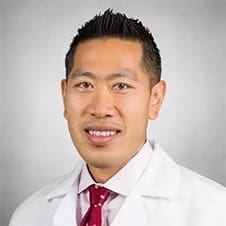
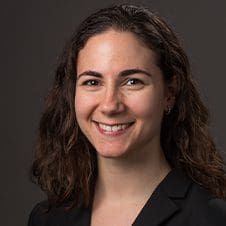
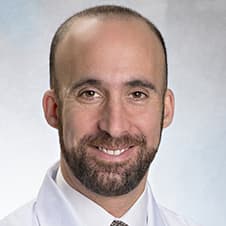
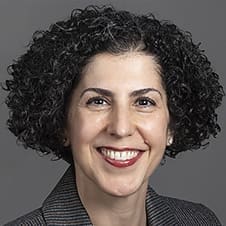
Top mesothelioma doctors have experience treating this rare cancer. They often work at specialized cancer centers that offer a wide range of treatments. These doctors also take part in research to help improve cancer treatments. Some of the top mesothelioma doctors include:












Mesothelioma Doctors in the News
- University of Hawaiʻi Cancer Center researchers Dr. Michele Carbone and Dr. Haining Yang, internationally recognized leaders in mesothelioma research, reported the discovery of a new, less aggressive type of mesothelioma that is more responsive to treatment in an article published in the November 2025 issue of Journal of Thoracic Oncology. This type of mesothelioma, linked to BAP1 gene mutations, behaves differently from typical asbestos-related mesothelioma and can often be managed more successfully. Identifying this subtype allows doctors to diagnose patients more accurately and offer treatments that may lead to better outcomes and longer survival.
- A September 11, 2025 article from Science Daily reported on a new study showing that giving immunotherapy before and after surgery may help doctors treat operable diffuse pleural mesothelioma, a rare and difficult-to-treat cancer. Researchers also tested a blood test for circulating tumor DNA (ctDNA) that could reveal cancer activity that scans sometimes miss, potentially helping physicians to make more effective treatment decisions. The study’s lead author, thoracic medical oncologist Dr. Joshua Reuss with Georgetown Lombardi Comprehensive Cancer Center, stated: “Immunotherapy is making substantial contributions to extending the lives of patients with lung cancer and many other solid tumors. This is an important step in identifying mesothelioma patients who could benefit from immunotherapy in the perioperative period…” The findings of this phase II clinical trial suggest that combining immunotherapy with surgery and using ctDNA data might give clinicians new tools to tailor treatment for mesothelioma patients, though more research is needed before these methods become standard practice.



What Is a Mesothelioma Doctor?
A mesothelioma doctor is a physician who has specialized training and experience with malignant mesothelioma. These specialists have expertise in diagnosing and treating mesothelioma cancer. Mesothelioma doctors stay current on the latest research and treatment options. They may also stay updated on research for other asbestos-related illnesses.
For these reasons, it may be better for mesothelioma patients to seek care from a mesothelioma specialist. General oncologists may not have this level of knowledge or experience with this type of cancer.
Mesothelioma doctors may also have various medical specialties, such as surgery. Top mesothelioma cancer centers typically offer patients access to a multidisciplinary care team.
Cancer care teams may consist of doctors with different specialties. For instance, the patient’s type of mesothelioma and treatment plan may influence the specialists needed.
Types of Mesothelioma Doctors That May Be on Patients’ Healthcare Teams
- Cardiothoracic surgeons
- Medical oncologists
- Nurse navigators
- Palliative care specialists
- Radiation oncologists
- Radiologists
- Surgical oncologists
- Thoracic surgeons
Your medical oncologist is the quarterback of your treatment team and is the person who is going to give you all of your treatment advice. It is important to find an oncologist that you feel comfortable with, has explained your options to you in a clear way, and someone you have a rapport with.
 Francis Perry Wilson, MD
Pleural Mesothelioma Doctors
Pleural mesothelioma doctors specialize in the most common form of this cancer, which develops in the lining of the lungs. Medical oncologists, thoracic surgeons and others may specialize in treating pleural mesothelioma. Pleural mesothelioma specialists practice at top cancer centers across the country. Some top pleural mesothelioma specialists include:
Pleural mesothelioma doctors may recommend a multimodal, or combination, treatment plan for patients. Research shows multimodal treatments have been effective in extending pleural mesothelioma survival.
Multimodal treatment plans for pleural mesothelioma may include various therapies, such as:
- Chemotherapy: This is a common treatment for pleural mesothelioma. Specialists may recommend cisplatin with Alimta® (pemetrexed) or other chemotherapy drugs. Chemotherapy may be combined with surgery, immunotherapy or other treatments.
- Extrapleural pneumonectomy (EPP): EPP is a radical thoracic surgery to treat pleural mesothelioma. This surgery removes the impacted lung. Surgeons also remove portions of the diaphragm and the linings of the lung and heart. It may be combined with chemotherapy, radiation or other therapies.
- Immunotherapy: This treatment stimulates the immune system to treat pleural mesothelioma. The combination of Opdivo® + Yervoy® is approved by the U.S. Food and Drug Administration (FDA) to treat inoperable pleural mesothelioma. These drugs are a type of immunotherapy called checkpoint inhibitors.
- Pleurectomy/decortication (P/D): P/D is a less radical pleural mesothelioma surgery than EPP. Unlike EPP, this surgery does not remove the impacted lung. P/D removes the lining of the lung and abnormal tissue around the lung.
- Radiation therapy: This treatment uses energy from radiation to help kill mesothelioma cancer cells. It has shown success in treating pleural mesothelioma.
- Tumor Treating Fields (TTFields): TTFields are a newer pleural mesothelioma therapy. TTFields use low-intensity electrical fields to disrupt cancer growth. This treatment combined with chemotherapy has FDA approval for pleural mesothelioma.
Specialists may recommend any of these or other therapies to treat pleural mesothelioma. They can develop a customized plan based on the patient’s case. This plan may depend on factors like the patient’s cancer stage, age and overall health.
Peritoneal Mesothelioma Doctors
Peritoneal mesothelioma doctors specialize in the second most common form of this cancer. This type develops in the lining of the abdomen. Medical oncologists, surgical oncologists and other professionals may specialize in peritoneal mesothelioma. Some top peritoneal mesothelioma specialists include:

Peritoneal mesothelioma doctors can develop personalized treatment options for patients. Specialists will often recommend a multimodal treatment plan. These plans consist of two or more therapies. Research shows multimodal treatment plans have been effective in extending survival for peritoneal mesothelioma patients.
Multimodal treatment plans for peritoneal mesothelioma may include various therapies, such as:
- Chemotherapy: Doctors may administer chemotherapy in different ways to treat peritoneal mesothelioma. For instance, hyperthermic intraperitoneal chemotherapy (HIPEC) consists of a heated chemotherapy wash. Doctors administer HIPEC to the abdomen after surgery. HIPEC + surgery has shown success in improving peritoneal mesothelioma survival.
- Immunotherapy: This treatment may be another option for peritoneal mesothelioma. Researchers continue to test different combinations of immunotherapy drugs. For instance, a new trial will test Opdivo + Yervoy for peritoneal mesothelioma. This combination has FDA approval for pleural mesothelioma.
- Surgery: Doctors perform cytoreductive surgery to remove as much visible tumor as possible. When combined with HIPEC, cytoreductive surgery may greatly improve mesothelioma life expectancy.
Peritoneal mesothelioma patients may also undergo palliative treatments. These therapies may provide symptom relief and improve quality of life. For instance, doctors may recommend paracentesis for some patients. This surgery removes excess fluid in the abdomen that may be causing pain and breathing difficulty.
Peritoneal mesothelioma specialists review many factors to develop a customized treatment plan. They will consider the cell type, stage and patient characteristics when making treatment recommendations.
Doctors for Other Types of Mesothelioma
Doctors may also have experience with rarer types of mesothelioma. Pericardial mesothelioma develops in the lining of the heart, accounting for about 1% of diagnoses. Testicular mesothelioma is even rarer. It develops in the lining of the testes.
Because of their rarity, doctors have not yet established clear treatment guidelines for these types. However, patients may receive traditional therapies, including surgery, chemotherapy and radiation. Other treatments may also be available depending on the patient’s case.
 Did You Know?
There are approximately 3,000 mesothelioma cases per year in the U.S.
Many doctors have little or no experience with this rare cancer. It is imperative to consult with an experienced mesothelioma specialist to ensure you or a loved one receives the best treatment plan possible.
Did You Know?
There are approximately 3,000 mesothelioma cases per year in the U.S.
Many doctors have little or no experience with this rare cancer. It is imperative to consult with an experienced mesothelioma specialist to ensure you or a loved one receives the best treatment plan possible.
Choosing Your Mesothelioma Specialist
Choosing a mesothelioma specialist is an important decision. Patients can use resources to find a mesothelioma doctor they feel comfortable with and can trust. When choosing a specialist, mesothelioma patients can consider various factors like the doctor’s experience and specialty. Some factors you may want to consider include:
- Availability: Patients should find doctors who can see them soonest. It is important to seek treatment after diagnosis. Treatment may be the most effective way to improve mesothelioma prognosis.
- Clinical trial access: Many mesothelioma experts are engaged in clinical trials for new treatments that may extend survival. Clinical trials may also offer treatment at a lower cost than traditional therapies.
- Cost of services: Patients may look for mesothelioma doctors who accept their insurance plans. Cancer centers can also help explain what treatment costs may or may not be covered by insurance.
- Location: Mesothelioma doctors practice at cancer centers across the country. Resources are available for patients who may want or need to travel and need to pay for travel and lodging.
- Specialty and experience: Patients should consider whether a doctor has a history treating mesothelioma. Patients can ask doctors about their experience and if they specialize in their mesothelioma type.
- Trust and communication: Mesothelioma patients should feel comfortable with their care team. Patients should feel free to ask questions and communicate any concerns. They should be able to trust their physicians.
Mesothelioma is a rare cancer that can be misdiagnosed. General oncologists may have never diagnosed or treated mesothelioma. This can cause delays in diagnosis or may hinder care for the patient.
Patients should seek a mesothelioma specialist to receive a second opinion and confirm the diagnosis. An accurate mesothelioma diagnosis can help ensure patients get the appropriate treatment. Mesothelioma experts can also help determine the best treatment options for an individual’s case. Treatment may help extend patient survival and improve quality of life.
Find a Mesothelioma Doctor Near You
Mesothelioma doctors practice at treatment centers across the United States. Some patients may need to travel to seek specialized care in nearby cities or states. However, many cancer centers offer resources to help patients and their loved ones seek care away from home.
Mesothelioma Doctors by State
Select a state to see a list of mesothelioma doctors in your area.
- Alabama
- Alaska
- Arizona
- Arkansas
- California
- Colorado
- Connecticut
- Delaware
- Florida
- Georgia
- Hawaii
- Idaho
- Illinois
- Indiana
- Iowa
- Kansas
- Kentucky
- Louisiana
- Maine
- Maryland
- Massachusetts
- Michigan
- Minnesota
- Mississippi
- Missouri
- Montana
- Nebraska
- Nevada
- New Hampshire
- New Jersey
- New Mexico
- New York
- North Carolina
- North Dakota
- Ohio
- Oklahoma
- Oregon
- Pennsylvania
- Rhode Island
- South Carolina
- South Dakota
- Tennessee
- Texas
- Utah
- Vermont
- Virginia
- Washington
- Washington, D.C.
- West Virginia
- Wisconsin
- Wyoming


































































































































































What to Expect at Your First Mesothelioma Appointment
Mesothelioma patients may feel many emotions before their first appointment with a specialist. Preparation can help individuals feel calmer and make the most of the appointment.
It may be helpful to remember that this appointment is usually just informational. You typically don’t need to make any big decisions yet. Instead, you can learn more about your diagnosis, your doctor and their expectations. You and your loved ones should take the time you need to ask questions. You may want to spend time learning more about recommendations to feel empowered in your decisions.
- A friend or family member that can offer support, ask questions and listen
- A list of any questions and concerns
- A list of current allergies
- A list of current medications, vitamins and supplements
- Any new patient forms sent before the appointment
- Insurance cards
- Prior medical records or scans
- Timeline of your observed symptoms, including when they developed and how severe they are
- Writing tools to record topics discussed during the appointment
Patients may have differing experiences at their first appointment. In general, the mesothelioma specialist will go over the patient’s diagnosis and medical history. They can go into detail about the patient’s specific case, such as the stage and cell type. The doctor may also go over test results, such as imaging scans.
After reviewing the case and answering questions, the doctor may recommend a treatment plan. Patients and their loved ones should ask questions to learn more. Typically patients can take time to think before making any treatment decisions.
Questions About Choosing a Mesothelioma Doctor? Ask experienced mesothelioma advocate Jennifer Lucarelli Ask a Question
Questions Mesothelioma Patients Should Ask Their Doctor
Mesothelioma patients or their loved ones are encouraged to ask their doctor any questions they have. The mesothelioma oncologist is there to support and care for them, beyond just administering treatment.
- How long have you been treating mesothelioma?
- How many mesothelioma cases do you treat each year?
- For my diagnosis, is there a treatment plan you can recommend?
- How effective do you believe the treatment will be?
- Are there any risks or side effects associated with the available treatment options? If yes, how severe are they?
- What kind of recovery times can I expect?
- Am I eligible for any clinical trials?
- How can I begin preparing for these treatments?
- How do you prefer to communicate? By phone or email?
- How can I seek a second opinion?
Patients may consider bringing a notebook or other writing tools to their appointments. It might be helpful to take notes, write down follow-up questions and keep track of important information. Patients may also consider asking a friend or loved one to accompany them. A loved one can come up with additional questions and act as a support system.
Seeking care from a mesothelioma doctor is an important step following a diagnosis. Patients can find the right doctor for them. Choosing a mesothelioma specialist can help ensure patients get the best care possible. A custom treatment plan for their individual needs may be the most effective way to improve prognosis.
Common Questions About Mesothelioma Doctors
What’s the difference between a general oncologist and a mesothelioma doctor?
Why do you need a mesothelioma doctor?
Should you seek a second opinion from a mesothelioma doctor?
What type of doctors treat asbestos-related cancers?
Sources
American Cancer Society. Choosing a Cancer Doctor.
Carbone M, Minaai M, Kittaneh M, Krausz T, Miettinen MM, Pan Hammarström Q, et al. Clinical and pathologic phenotyping of mesotheliomas developing in carriers of germline bap1 mutations. J Thorac Oncol. 2025 Nov;20(11):1683–98.
International Mesothelioma Program. Your First Visit.
National Cancer Institute. Finding Health Care Services.
Science Daily. Blood test spots hidden mesothelioma that scans can’t see.
University of Hawaiʻi at Mānoa. UH Cancer Center identifies treatable form of mesothelioma.
Free Mesothelioma Treatment Guide

Katy Moncivais, Ph.D., has more than 15 years of experience as a medical communicator. As the Medical Editor at Mesothelioma.com, she ensures our pages and posts present accurate, helpful information.
 Medically
Reviewed by
Francis Perry Wilson, MD
Senior Medical Advisor
Medically
Reviewed by
Francis Perry Wilson, MD
Senior Medical Advisor
Dr. Francis Perry Wilson is the Director of the Clinical and Translational Research Accelerator at the Yale University School of Medicine. He specializes in nephrology and clinical research.